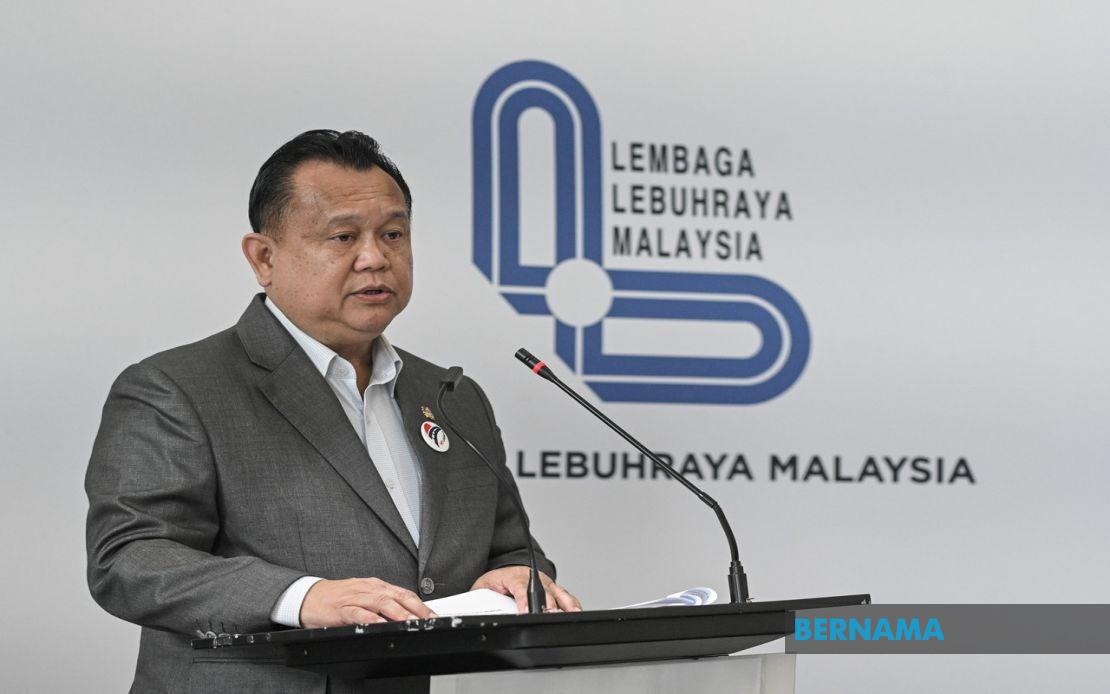
The Malaysian government has committed RM25.2 million towards an ambitious road safety initiative that will see solar-powered LED street lights installed across 32 strategically identified accident-prone sections of the national highway network. Works Minister Datuk Seri Alexander Nanta Linggi announced the allocation during a handing-over ceremony for the initial phase of the project, which falls under the broader MADANI Monitoring programme designed to address persistent traffic safety challenges across Malaysia's motorway system.
The scale of this infrastructure investment reflects growing official concern about highway accidents, which remain a significant public health and economic burden in Malaysia. The project encompasses the installation of 3,000 light poles at these high-risk locations, with the immediate goal of enhancing visibility and driver awareness during night-time hours when accident rates typically spike. The identification of these 32 specific locations reflects detailed analysis of accident patterns and traffic data, suggesting a data-driven approach to road safety planning rather than a blanket nationwide rollout.
This initiative represents a collaborative effort spanning multiple government agencies, with the Works Ministry spearheading implementation alongside the Finance Ministry and Malaysian Highway Authority. The coordination across these bodies indicates the seriousness with which authorities are treating the road safety agenda. The project emerged directly from Prime Minister Datuk Seri Anwar Ibrahim's announcement in the 2026 Budget presented in October 2025, demonstrating how budget provisions can rapidly translate into concrete infrastructure improvements when political will and administrative capacity align effectively.
The technology choice of solar-powered LED lights carries particular significance for Malaysia's context. Solar technology eliminates dependency on the conventional electrical grid for street lighting, reducing long-term operational costs and maintenance burdens that typically constrain municipal budgets. LED technology itself delivers superior illumination efficiency compared to older sodium vapor or mercury lights, consuming substantially less power while producing brighter, clearer light that enhances visual perception for drivers. The combination creates a sustainable solution that can continue functioning effectively even during extended periods of electrical grid disruption.
Although the full budget allocation was originally pegged at RM30 million, the government has strategically decided to roll out the project in phases, commencing with RM25.2 million for the initial installment. This measured approach allows the ministry to evaluate performance data from the first phase before deploying remaining funds, enabling course correction if unforeseen implementation challenges emerge or if certain locations require modifications. The retention of unused funds for subsequent disbursement also maintains budget flexibility should project costs or scope requirements shift during execution.
The timeline for project execution demonstrates administrative momentum, with the Letter of Acceptance having been formally handed to the selected contractor, effectively authorizing immediate commencement of on-site installation work. The government has established November 2026 as the target completion date for the entire initial phase, representing an aggressive but achievable timeline that should allow for full operational status before the year-end monsoon season when weather conditions and visibility become more challenging for highway users.
For Malaysian motorists, the implications are substantial and multi-faceted. Enhanced lighting at accident-prone sections should measurably reduce nighttime collisions, particularly those involving vehicles traveling at highway speeds where visibility lapses can have catastrophic consequences. The improvements will particularly benefit long-distance drivers, commercial transport operators, and night-shift workers who traverse these routes regularly. Insurance companies may eventually recognize these improvements through reduced claims frequency at these locations, potentially translating into more favorable premium calculations for frequent highway users.
The project also signals broader government investment priorities in preventing road fatalities, which represent a persistent policy challenge in Malaysia. Annual road deaths consistently rank among Southeast Asia's highest, creating substantial economic losses through medical costs, lost productivity, and vehicle damage. While lighting improvements alone cannot address all contributing factors to accidents, they represent a necessary component of comprehensive road safety strategy that must also encompass enforcement, vehicle standards, and driver behavior modification programs.
From a regional perspective, Malaysia's investment in solar-powered highway lighting positions the country within broader Southeast Asian trends toward sustainable infrastructure development. Neighboring nations are similarly exploring renewable energy integration into public infrastructure, making this project part of a wider regional movement toward greener transport infrastructure. The success of this initial phase could serve as a replicable model for other countries facing similar highway safety challenges and seeking sustainable technical solutions.
The project's focus on high-risk locations also demonstrates sophisticated infrastructure management principles, concentrating resources where accident probability is highest rather than pursuing uniform development across all highways. This targeted approach maximizes safety returns on each ringgit invested, a consideration that should appeal to fiscally conscious stakeholders while delivering the greatest benefits to the most vulnerable highway users. Subsequent phases will likely follow similar prioritization logic as the ministry accumulates additional safety data and identifies emerging accident hotspots warranting intervention.

