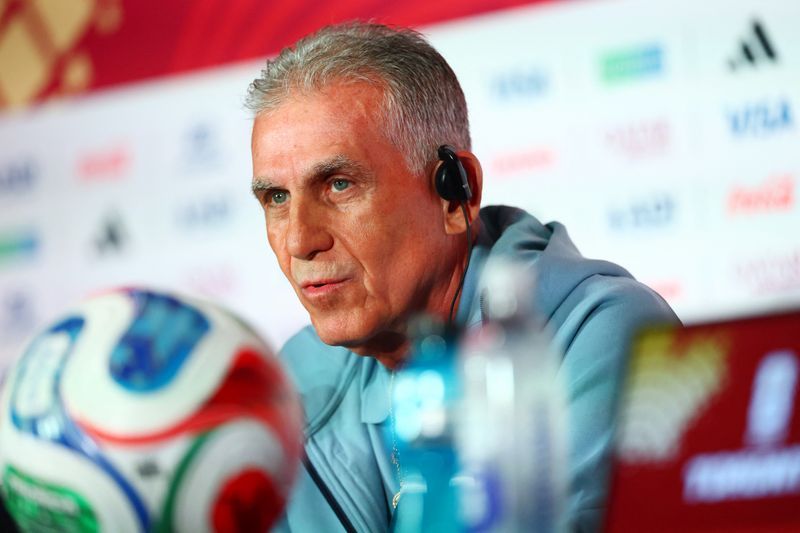
Ghana's coaching staff has signalled their readiness to confront Panama in their World Cup Group L fixture at Toronto Stadium, even as legal proceedings over midfielder Thomas Partey's entry into Canada continue to unfold. Coach Carlos Queiroz delivered the message at a press conference on Tuesday, a day before the two nations are scheduled to clash, emphasising that his squad has contingency plans in place regardless of how the appeal process concludes. The statement came just hours after Ghanaian officials mounted a legal challenge in Canadian federal court to overturn the country's refusal to admit Partey into Canadian territory.
Partey, who plays for Spanish club Villarreal, faces serious allegations in British courts of rape and sexual assault charges, which he has consistently denied. Canada's decision to refuse him entry has complicated Ghana's tournament preparations, forcing Queiroz to devise multiple tactical approaches. The 73-year-old Portuguese coach made clear that he would not entertain further discussion about the player's legal troubles, dismissing speculation and commentary as tangential to his core responsibilities. His pragmatic stance reflects the pressure facing any international manager forced to navigate legal complications while maintaining squad morale and tactical focus on the pitch.
Queiroz's characterisation of his strategic flexibility—playing with "the cards that I have in front of me"—underscores the reality facing many African national teams at major tournaments, where external factors beyond the field frequently complicate preparation. The Ghana coach expressed confidence that his remaining squad possesses sufficient depth and quality to compete effectively, highlighting the technical attributes available to him. He pointed specifically to Ghana's experience, pace, and individual skill levels as competitive advantages, suggesting his team could dominate in direct one-on-one confrontations with Panama's players.
Despite Ghana's apparent confidence, Queiroz offered Panama considerable respect as opponents. He described them as a methodical, well-organised outfit with the tactical maturity expected of teams that have navigated World Cup qualification. The veteran coach acknowledged that while Panama certainly possessed exploitable weaknesses, Ghana would need to execute their own game plan with precision to capitalise. This balanced assessment reflects professional respect rather than underestimation, a critical mindset for any squad seeking to progress in knockout football.
The Panama encounter holds particular significance for Ghana's tournament prospects. Group L includes some of the competition's most formidable teams, making the match against Panama potentially decisive for advancement hopes. Panama, despite being ranked as less competitive than some rivals, has demonstrated resilience in qualifying for the global stage. Their experience and organisational discipline present a thorough examination of Ghana's depth and tactical adaptability, particularly if Partey remains unavailable.
Beyond immediate squad concerns, Queiroz used his platform to critique FIFA's newly implemented mandatory hydration breaks during World Cup matches. The rule, introduced ostensibly to protect player welfare in potentially extreme heat conditions, has generated considerable debate within the football community. Coaches and players have questioned whether the breaks genuinely serve health purposes or whether commercial and marketing considerations may have influenced their adoption. Queiroz's scepticism reflects broader concerns within professional football about the gap between official justifications and underlying commercial realities.
The coach specifically called for comprehensive integrity reporting when the tournament concludes, demanding transparent analysis of whether hydration break decisions prioritised athlete welfare or prioritised broadcasting and sponsorship interests. This request highlights the growing tension between FIFA's stated commitment to player protection and the tournament's enormous commercial apparatus. For coaches managing teams across different climate zones and preparation standards, such rules can create unforeseen tactical complications that merit serious scrutiny.
Queiroz's measured response to these broader tournament governance issues demonstrates the multifaceted responsibilities facing modern international coaches. Beyond tactical preparation and squad management, they must navigate legal complexities, player welfare concerns, and increasingly contentious questions about tournament administration. The Ghana coach's insistence on professionalism despite these external pressures sets the tone for his team's approach to the Panama match.
As Tuesday evening's court hearing concluded without immediate resolution, the uncertainty surrounding Partey's status added another layer of complexity to Ghana's final preparations. Canadian federal court judges faced a high bar in overturning the government's entry refusal, making reversal uncertain. Queiroz's public statements suggesting preparedness regardless of outcome served dual purposes: maintaining squad morale while signalling to potential critics that Ghana would not use Partey's unavailability as an excuse for underperformance. This psychological positioning often proves as important as tactical preparation in competitive football environments.
The match itself represents a critical early test for both sides. Ghana, as a three-time Africa Cup of Nations champion with considerable tournament experience, enters as technical favourites despite recent form concerns. Panama's qualification itself represented a considerable achievement for a smaller football nation, and their defensive organisation could trouble Ghana if the African side fails to establish early control. The stakes extend beyond immediate tournament progression; they encompass questions about squad depth, tactical flexibility, and psychological resilience under pressure.
For Malaysian and Southeast Asian observers, the Ghana-Panama encounter illustrates broader dynamics affecting smaller football nations at global tournaments. The combination of legal complications, tournament logistics, and governance questions mirrors challenges facing football across the region, where international players frequently navigate complex regulatory environments. Queiroz's professional handling of these complications offers a case study in pragmatic leadership when circumstances escape a coach's direct control, a lesson resonating across football at all levels.