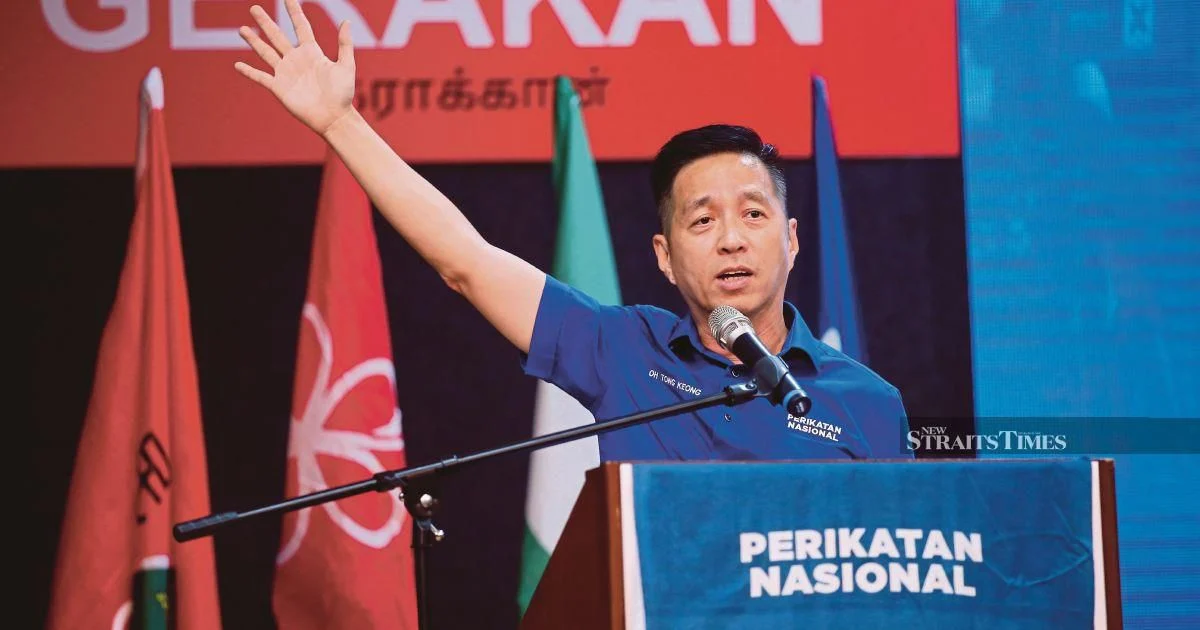
Gerakan, a long-standing Malaysian political party with decades of electoral experience, has elected to step back from contesting the Johor state election. Instead, the party will concentrate its organisational resources and campaign machinery on bolstering the electoral prospects of Perikatan Nasional component parties competing in the state, according to party election director Oh Tong Keong. This strategic repositioning reflects shifting coalition dynamics and a recalibration of priorities within the broader PN alliance structure.
The decision marks a notable shift in Gerakan's political orientation and electoral strategy. Historically, Gerakan has fielded candidates across multiple states and federal elections as an independent force within broader coalitions. By choosing not to contest Johor seats directly, the party acknowledges the competitive realities of contemporary Malaysian politics and the need for strategic consolidation among coalition partners to maximise electoral efficiency.
Johor, Malaysia's southernmost peninsular state, represents significant political real estate with considerable historical importance. The state election holds implications not only for state-level governance but also for broader power dynamics within the peninsula. Gerakan's withdrawal creates space for PN's other component parties to expand their candidate lists and concentrate resources more effectively across contested constituencies.
The PN coalition itself comprises multiple parties with distinct regional strongholds and electoral bases. By harmonising candidacies across component parties, the alliance aims to reduce internal competition and prevent vote splitting that could benefit opposing coalitions. Gerakan's decision to support rather than directly compete aligns with this broader consolidation strategy, demonstrating the coalition's commitment to unified electoral positioning.
Geographical and demographic considerations likely influenced this tactical choice. Johor's electoral landscape encompasses constituencies with varying demographic compositions, religious demographics, and socioeconomic profiles. Gerakan's traditional support base, combined with the presence of well-established PN component parties in the state, may have led party strategists to conclude that channelling efforts through other coalition members would yield superior outcomes compared to fielding independent candidates.
This withdrawal also reflects pragmatic assessment of electoral resources and campaign capacity. Political campaigns require substantial funding, volunteer coordination, candidate recruitment, and media engagement. By focusing on supporting rather than contesting directly, Gerakan can deploy its limited resources more strategically across key constituencies where PN coalition interests are most contested or vulnerable.
The implications extend beyond mere arithmetic of candidacy numbers. Gerakan's endorsement carries symbolic weight with particular voter demographics and geographic communities where the party maintains historical presence and voter loyalty. Strategic placement of Gerakan resources—including party leadership endorsements, volunteer mobilisation, and campaign support—could prove decisive in marginal constituencies where victory margins are typically narrow.
For Malaysian voters and political observers, this development underscores the continued importance of coalition mathematics and inter-party negotiation in Malaysia's competitive electoral environment. Rather than a sign of weakness, Gerakan's withdrawal might reflect sophisticated strategic thinking aimed at maximising coalition success probability through specialised division of labour among alliance partners.
The decision also raises questions about Gerakan's longer-term positioning within Malaysian politics. The party must balance its commitment to broader PN coalition goals with preservation of its independent identity and future electoral relevance. Voluntary withdrawal from a state election provides short-term coalition unity but requires careful management to prevent perception of declining political influence or relevance among party members and traditional supporters.
Geographically, Johor's significance as Malaysia's industrial and manufacturing hub, combined with its large Chinese and Indian minority populations, makes it strategically important for any coalition seeking secure parliamentary and state majorities. The concentration of PN component party candidates there reflects recognition of the state's electoral importance and the coalition's determination to perform competitively in this key battleground.
Oh Tong Keong's public announcement of this strategic shift demonstrates transparency in coalition decision-making, though it also raises potential concerns among Gerakan members about the party's autonomy. Political analysts will monitor whether this withdrawal presages broader integration of Gerakan into PN structures, or represents a tactical accommodation for a single election cycle with restoration of independent candidacy anticipated subsequently.
The broader context involves Malaysia's transition toward greater coalition stability and reduced fragmentation compared to earlier decades of more fluid and unpredictable alliance formation. Gerakan's decision aligns with this consolidatory trend, even as it highlights ongoing negotiations and power-sharing arrangements that characterise Malaysian coalition politics. Whether this arrangement produces electoral benefits for the PN coalition will become evident once Johor's election campaigns commence and voting results are announced.

