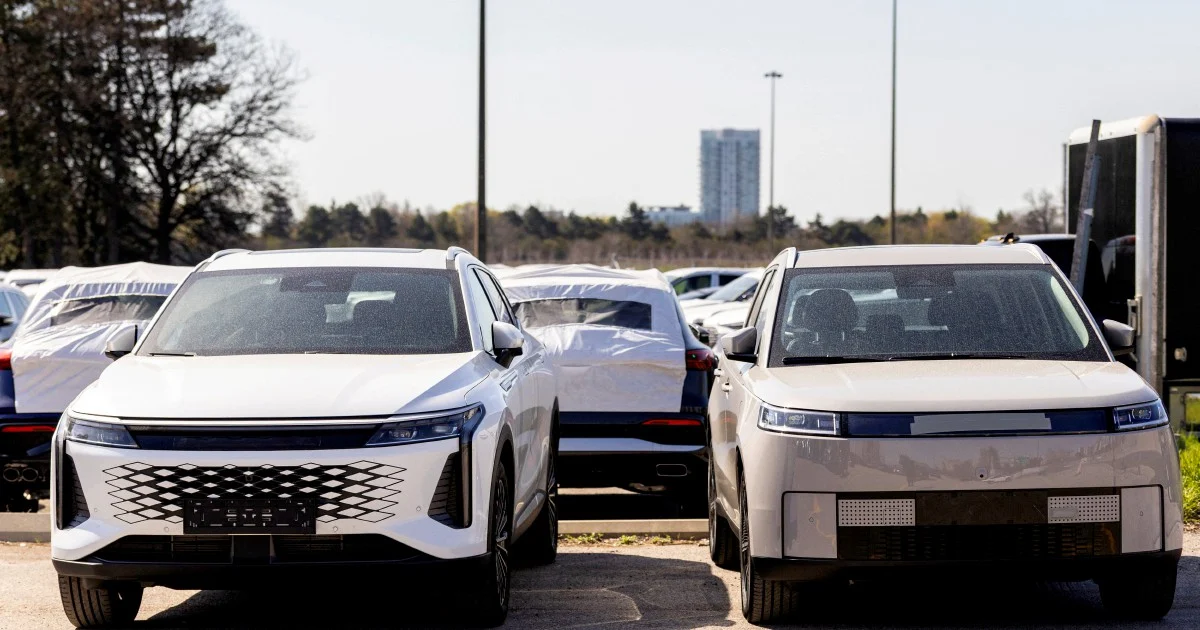
Chinese automaker Geely Holding Group is preparing to introduce its Lotus brand electric vehicles to the Canadian market, with the first shipments expected to begin in July, according to an announcement from China's ambassador to Canada Wang Di. The move comes as part of a broader bilateral trade understanding reached between Chinese President Xi Jinping and Canadian Prime Minister Mark Carney, underscoring efforts by both nations to strengthen economic and commercial relations despite previous tensions.
The Lotus EV initiative represents a significant expansion of Chinese automotive presence in North America, one of the world's most competitive and lucrative vehicle markets. Geely, which acquired the British sports car manufacturer Lotus in 2017, has been positioning the iconic brand as a premium electric vehicle maker capable of competing with established Western manufacturers and emerging EV competitors from Tesla and traditional legacy automakers.
The Canadian market has become increasingly attractive to Chinese automakers seeking to diversify beyond their home market and build international competitiveness. Canada's regulatory framework for electric vehicles, combined with government incentives for EV adoption and a growing consumer interest in sustainable transportation, creates a favourable environment for new entrants willing to establish proper distribution and after-sales infrastructure.
For Malaysian and Southeast Asian observers, the Geely-Lotus Canada deal carries broader implications for regional automotive strategy. The success or failure of Lotus vehicles in the North American market will likely influence how Geely approaches expansion into other developed markets, including potentially Australia and Japan. Furthermore, it signals the maturation of Chinese automakers' ambitions to compete globally with established premium brands rather than focusing exclusively on domestic market dominance.
The agreement between Xi and Carney reflects a recalibration of China-Canada relations after several years of diplomatic friction. Both nations appear motivated to demonstrate that commercial and economic cooperation can proceed despite geopolitical disagreements elsewhere. For Canada, attracting investment and partnerships with Chinese companies provides economic stimulus and employment opportunities in the automotive sector, which remains strategically important to the national economy.
Geely's strategy with Lotus differs markedly from other Chinese manufacturers who have entered Western markets through volume-based, budget-conscious approaches. By leveraging the Lotus brand heritage and focusing on premium electric vehicles, Geely positions itself as a technology-driven competitor rather than a cost-cutting alternative. This approach requires substantial investment in marketing, dealer networks, and service infrastructure across Canada, indicating serious long-term commitment rather than experimental market probing.
The timing of the July shipments carries significance within the automotive industry's seasonal rhythms. Summer months typically represent peak vehicle purchasing season in North America, allowing Lotus to capture consumer interest during peak showroom traffic and media attention. The coordination between Beijing's diplomatic channels and corporate logistics also demonstrates how state-level agreements now facilitate commercial arrangements in the EV sector, where government policy and industrial strategy become increasingly intertwined.
For Southeast Asian markets, including Malaysia with its own automotive manufacturing heritage and ambitions to become an EV hub, the Geely-Lotus precedent offers instructive lessons. The deal illustrates how established manufacturers with international brand recognition can leverage Chinese investment and scale to penetrate distant markets. It also highlights the competitive pressure facing traditional automotive regions as Chinese companies invest aggressively in premium brand development and global market access.
The partnership between government and corporate entities in facilitating this trade flow reflects contemporary patterns where bilateral economic agreements create frameworks within which commercial actors operate. Ambassador Wang Di's public confirmation of the July timeline demonstrates official transparency around the initiative and suggests both governments view the Lotus EV launch as a positive development worthy of diplomatic attention.
Canadian consumers and the automotive sector will soon determine whether Lotus electric vehicles can establish meaningful market share against entrenched competitors. Success would validate Geely's premium positioning strategy and encourage further Chinese investment in North American manufacturing and distribution. Failure would suggest that brand heritage and Chinese investment alone insufficient to overcome consumer preferences for established Western and emerging premium EV makers in sophisticated developed markets.
The initiative also underscores the global nature of modern automotive competition, where Malaysian suppliers, parts manufacturers, and technology providers may find themselves integrated into supply chains serving newly launched Chinese brands in distant markets. The Lotus Canada venture demonstrates that automotive competition increasingly transcends traditional regional boundaries, with winning strategies requiring simultaneous attention to cost efficiency, technological innovation, brand positioning, and government relations across multiple jurisdictions and continents.

