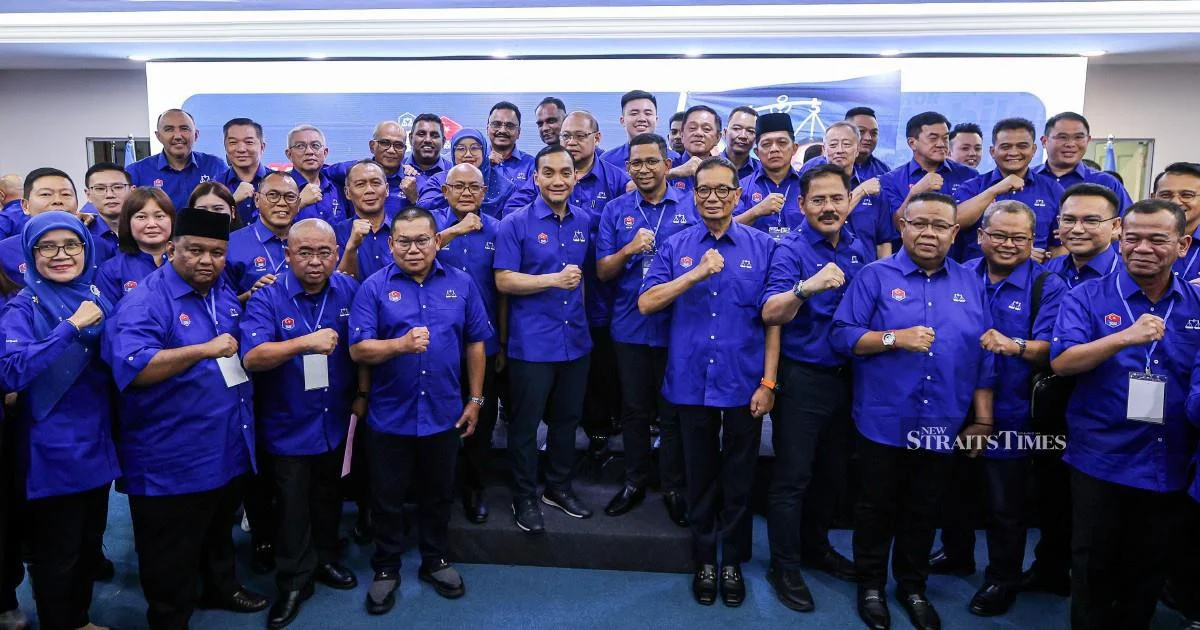
Barisan Nasional has introduced a cohort of new political candidates in Johor determined to drive the coalition towards victory in the 16th state election scheduled for July 11. The fresh recruits drawn from BN's constituent parties represent the coalition's strategy to energise its campaign machinery and appeal to voters across the southern state, which has become a crucial battleground in Malaysian electoral politics.
The emergence of these new faces reflects broader efforts by BN to refresh its political establishment and broaden its appeal beyond traditional strongholds. Component parties within the coalition have prioritised identifying candidates capable of resonating with diverse constituencies, particularly in urban and semi-urban areas where voter demographics have shifted significantly in recent electoral cycles. This recruitment drive suggests that BN recognises the need to adapt its candidate selection process to contemporary political realities.
Johor holds considerable significance within Malaysia's federal framework, both as an economically important state and as a bastion of electoral influence. The coalition's performance in the July 11 election will carry implications beyond state-level governance, potentially shaping dynamics within the broader federal coalition architecture. Success or failure in this contest could influence BN's standing ahead of future national electoral contests and affect intra-coalition relationships.
The commitment demonstrated by newly selected candidates reflects confidence within BN's strategic planning apparatus. These individuals, despite lacking the extensive experience of veteran political operatives, bring fresh perspectives and often possess stronger connections to younger voter demographics. Their determination to campaign vigorously suggests that BN intends to mount a comprehensive ground operation across all contested seats rather than relying solely on established political personalities.
Campaign momentum in Johor typically accelerates significantly in the weeks immediately preceding polling day. The new candidates' early commitment to intensive campaigning indicates that BN is establishing campaign frameworks well in advance, allowing adequate time for voter engagement and constituency-level organising. This methodical approach contrasts with rushed campaigns that rely primarily on late-stage media blitzes.
The competitive landscape in Johor encompasses multiple rival coalitions and independent candidates, each pursuing distinct political narratives. BN's deployment of new candidates must therefore be understood within this crowded electoral environment where differentiation and localised messaging prove essential. The coalition's ability to effectively communicate its platform through fresh voices may determine its ability to capture swing voters and retain traditional support bases.
Regional politics across Southeast Asia increasingly emphasises the importance of generational renewal within established political structures. Malaysia's experience parallels patterns observed in neighbouring countries where established coalitions have introduced new candidates to counter perceptions of stagnation or disconnect from contemporary voter concerns. The Johor election therefore represents a microcosm of broader regional political trends regarding institutional adaptation.
For Malaysian business communities and foreign investors, electoral stability in Johor carries economic implications. The state's port facilities, manufacturing sectors, and strategic location within Southeast Asian trade corridors make its political trajectory relevant to regional economic planning. A decisive election outcome, regardless of the victor, typically facilitates clearer policy frameworks that businesses require for medium-term planning.
The July 11 election date provides a defined timeline within which campaigns must achieve their objectives. This compressed timeframe intensifies competition for voter attention and media coverage, placing particular pressure on new candidates to establish name recognition and political credibility within short periods. Their success in doing so will partially determine overall BN performance in the contest.
New candidates entering electoral politics during high-stakes contests face considerable personal and professional risk. Their willingness to stand reflects either genuine political conviction or strategic calculations regarding career advancement within party hierarchies. Understanding candidate motivations proves important for analysing likely campaign intensity and resilience should polls tighten or external circumstances shift during the campaign period.
The broader implications of BN's candidate renewal strategy extend to questions about party institutionalisation and leadership succession planning. Identifying and promoting new talent ensures that political parties maintain organisational vitality and avoid organisational sclerosis that afflicts movements dependent excessively on aging leadership structures. The Johor election effectively serves as a proving ground for candidates potentially destined for higher responsibilities.
Voter engagement patterns in Johor have demonstrated increasing sophistication in recent years, with constituents responding more readily to candidates demonstrating genuine community connection and policy comprehension. New BN candidates attempting to succeed in this environment must therefore combine traditional grassroots organising with contemporary digital communication strategies and substantive engagement with localised policy concerns.
As the election period progresses, the performance trajectories of individual new candidates will become clearer indicators of BN's overall competitive position. Their ability to translate campaign commitment into electoral victories will substantially influence broader perceptions regarding whether the coalition's renewal strategy effectively addresses its longer-term political challenges or merely represents tactical adjustments without fundamental strategic recalibration.

