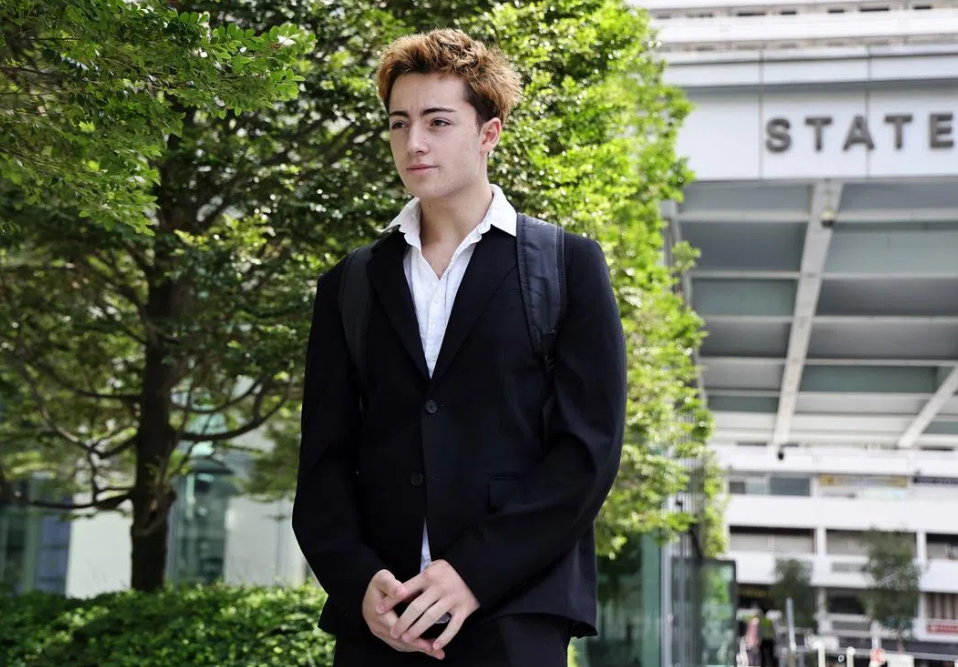
A teenager facing charges in Singapore for an unusual and unhygienic act committed at a public vending machine is set to enter a guilty plea this month. Didier Gaspard Owen Maximilien, a French national aged 19, is scheduled to appear in court on July 13 to plead guilty to accusations of committing mischief and being a public nuisance stemming from an incident that drew widespread condemnation when it became public.
The incident allegedly occurred on or around March 12 at Goldhill Centre along Thomson Road in Singapore's Thomson neighbourhood. According to court documents, Maximilien is accused of removing a straw from an iJooz vending machine, licking it, and then returning it to the straw dispenser for potential use by other customers. The iJooz brand specializes in vending machines that dispense freshly squeezed orange juice, making the act particularly problematic given the hygiene implications for a food and beverage facility.
What transformed a localized incident into a viral moment was Maximilien's decision to film himself performing the act and subsequently upload the footage to social media platforms. The video circulated widely online starting on March 12, generating significant alarm and criticism from internet users across Singapore and beyond. The clip's rapid spread highlighted growing concerns about food safety and the ease with which antisocial behaviour can be amplified through digital channels, reaching millions of viewers within hours.
The operational and reputational fallout for iJooz proved substantial. Management determined that the entire inventory of 500 straws housed in the affected dispenser had been compromised and potentially contaminated by the incident. Rather than risk public health concerns or customer backlash, the company opted to discard and replace all straws in the unit, a decision that underscored the seriousness with which food service businesses regard such breaches of hygiene standards.
Maximilien was formally charged in April, roughly a month after the incident gained public attention. The dual charges reflect the severity with which Singapore's legal system treats such behaviour. The mischief charge carries a maximum penalty of two years imprisonment, a fine, or both options combined. The public nuisance charge, meanwhile, permits penalties of up to three months in jail, a fine reaching $2,000, or both, giving prosecutors considerable flexibility in sentencing recommendations.
The case illustrates broader concerns across Southeast Asia regarding food safety lapses and the unpredictable consequences of social media stunts. While pranks involving food facilities have occurred elsewhere regionally, Singapore's strong enforcement of public health regulations and swift legal response reflects the city-state's zero-tolerance approach to threats against community wellbeing. For businesses operating vending machines or food service operations, such incidents serve as stark reminders of vulnerability to deliberate contamination and the importance of robust security measures.
The incident also raises questions about motivation and accountability among young people in the digital age. Maximilien's alleged decision to record and share the act suggests a possible desire for online attention or viral notoriety, a phenomenon that has prompted authorities and parents across Asia to emphasize digital literacy and responsible behaviour. The consequences he now faces—potential imprisonment and a criminal record—represent a cautionary tale about the disproportionate real-world ramifications of seeking fleeting internet fame through antisocial acts.
For Malaysian readers, while such incidents have not reached comparable prominence locally, the case underscores the interconnected nature of social media and the potential for seemingly isolated acts to generate transnational attention. Food safety remains a critical consumer concern in Malaysia, and the swift legal response in Singapore demonstrates how neighboring jurisdictions prioritize protecting public health through criminal sanctions.
The approaching July 13 plea hearing will likely conclude this matter, though public memory of the incident may persist longer. Maximilien's guilty plea represents an acknowledgment of responsibility, though it remains unclear whether he will receive custodial sentences or face alternative penalties. Regardless of the specific sentence imposed, the case will likely influence discussions about vending machine security, social media moderation, and the enforcement of public health standards across the region.

