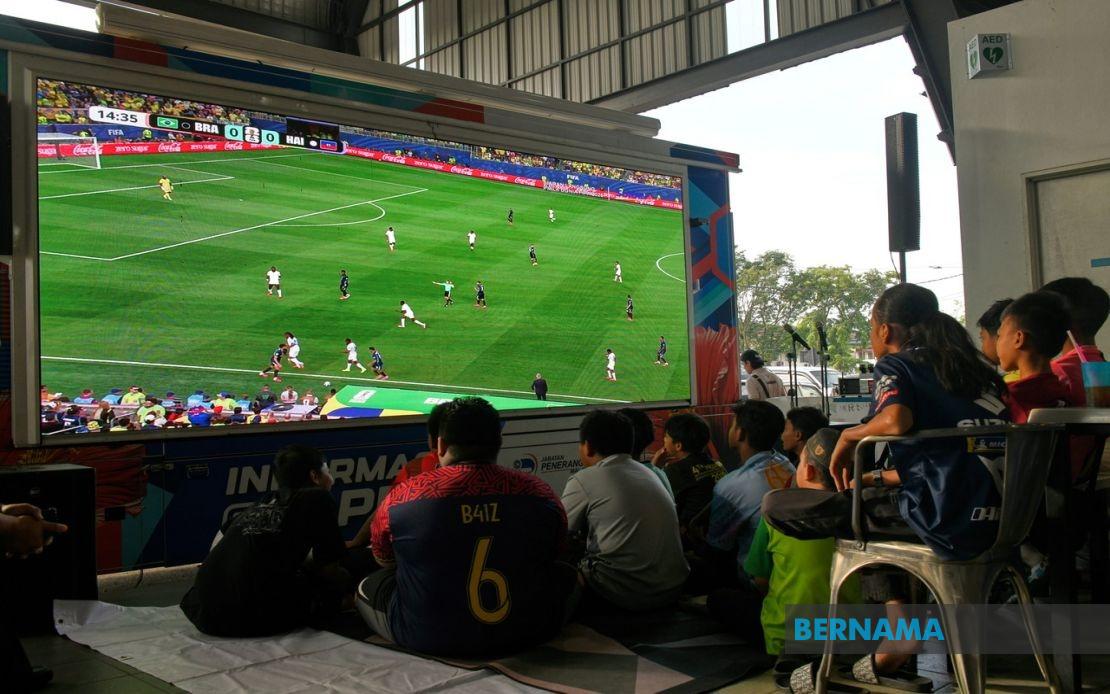
The Malaysian government's decision to provide free broadcasting of 2026 FIFA World Cup matches has already begun delivering tangible benefits to the hospitality sector and ordinary Malaysians, according to Communications Minister Datuk Fahmi Fadzil. Speaking in Butterworth after attending a World Cup viewing event, Fahmi highlighted how the initiative is substantially lowering operational expenses for food and beverage establishments, while simultaneously making premium sporting entertainment accessible to cost-conscious families and individuals across the country.
The free access to live matches through Radio Televisyen Malaysia (RTM), RTMKlik, and Unifi TV represents a departure from previous World Cups, where commercial broadcasters typically held exclusive rights and charged steep subscription fees. This shift has resonated particularly strongly with restaurant and café owners, who previously faced significant licence fees or subscription costs to legally screen matches on their premises. The Malaysian Muslim Restaurant Owners Association conveyed to the minister their appreciation for this policy decision, noting the considerable savings it has generated for business operators struggling with rising operational costs.
One trader's experience underscores the magnitude of this change. Fahmi recounted a conversation with a restaurant owner who remarked that this represented the first opportunity in more than twenty years to broadcast World Cup football without incurring substantial expenses. For small and medium-sized enterprises operating on tight margins, such savings can prove meaningful when multiplied across the tournament's numerous matches. The ability to attract customers by offering free access to premium sporting content simultaneously creates a competitive advantage without requiring additional investment in broadcast licences.
The minister's presence at the Jiwa@Sembang Santai Special Edition FIFA World Cup 2026 programme at the Seberang Jaya Public Market food court was deliberate and strategic. Rather than making a purely symbolic appearance, Fahmi spent time watching the opening half of the Brazil versus Haiti match alongside market patrons and vendors, thereby gaining direct exposure to ground-level sentiment regarding business conditions. This hands-on approach allowed him to gather candid feedback about the real challenges confronting traders in an inflationary environment.
Fahmi's engagement with traders revealed a broader economic narrative extending beyond football broadcasting. Multiple vendors articulated concerns about escalating costs related to geopolitical developments, particularly the ongoing conflict in West Asia. Imported goods and commodities subject to supply chain disruptions have become more expensive, placing additional pressure on profit margins. The minister acknowledged that while the international community hoped for swift conflict resolution, the economic ramifications would likely persist in the near term, necessitating proactive government attention and support mechanisms.
The visit generated specific policy inputs that Fahmi committed to escalating through formal channels. He pledged to communicate the concerns raised by traders directly to Prime Minister Datuk Seri Anwar Ibrahim and Penang Chief Minister Chow Kon Yeow, ensuring that feedback gathered at ground level reached senior decision-makers capable of implementing substantive assistance programmes. This commitment signals a receptiveness to grassroots input from business owners navigating complex economic headwinds.
Beyond immediate cost reduction, the free broadcast initiative carries broader implications for Malaysia's sports and entertainment ecosystem. By removing financial barriers to accessing world-class sporting events, the government effectively democratizes entertainment consumption and strengthens social bonds through shared viewing experiences. For households with limited disposable income, the ability to enjoy World Cup matches without subscription fees enhances quality of life and cultural participation. Coffee shops and food courts become natural gathering spaces where communities congregate around shared passion for international football.
Fahmi articulated hope that his initiative would inspire greater engagement from fellow ministers, Members of Parliament, and state assemblymen with the concerns and circumstances of ordinary traders and citizens. His suggestion that elected representatives should spend more time observing real-world conditions directly reflects frustration with governance approaches disconnected from lived experiences. Such ground-level visibility can generate political will for targeted interventions addressing inflation, supply chain vulnerabilities, and sector-specific challenges.
The timing of the government's World Cup broadcasting strategy proves fortuitous given Malaysia's ongoing cost-of-living pressures. Families and small businesses already contending with higher prices for groceries, utilities, and essential services benefit from one fewer discretionary expense. For the food and beverage sector specifically, the initiative functions as a modest yet meaningful form of cost assistance, enabling establishments to maintain or potentially expand viewing capacity and customer hospitality without proportional increases in overhead.
Looking forward, the success of this broadcasting model may establish precedent for how Malaysia approaches future international sporting events. If the initiative demonstrably supports tourism at food courts and public markets while strengthening community engagement with major tournaments, similar free-access policies could extend to other sporting championships or entertainment properties. This approach simultaneously balances commercial considerations with social equity, making premium content available across socioeconomic strata.
The minister's market visit also served a symbolic function, positioning the government as responsive to trader concerns and committed to understanding their operational realities. Such visible engagement can enhance public confidence in government institutions and create space for dialogue about policy challenges. As inflation and external shocks continue buffeting Malaysia's economy, maintaining open communication channels between policymakers and affected business communities remains essential for identifying targeted solutions.
Ultimately, the free World Cup broadcasting initiative represents pragmatic policy that simultaneously addresses entertainment access, supports struggling businesses, and demonstrates government willingness to reduce unnecessary costs for citizens. While a single policy cannot resolve broader economic pressures stemming from global supply chain disruptions or regional conflicts, it provides meaningful relief and contributes to an environment where Malaysian families and entrepreneurs can find moments of respite and shared cultural experience without financial strain.

