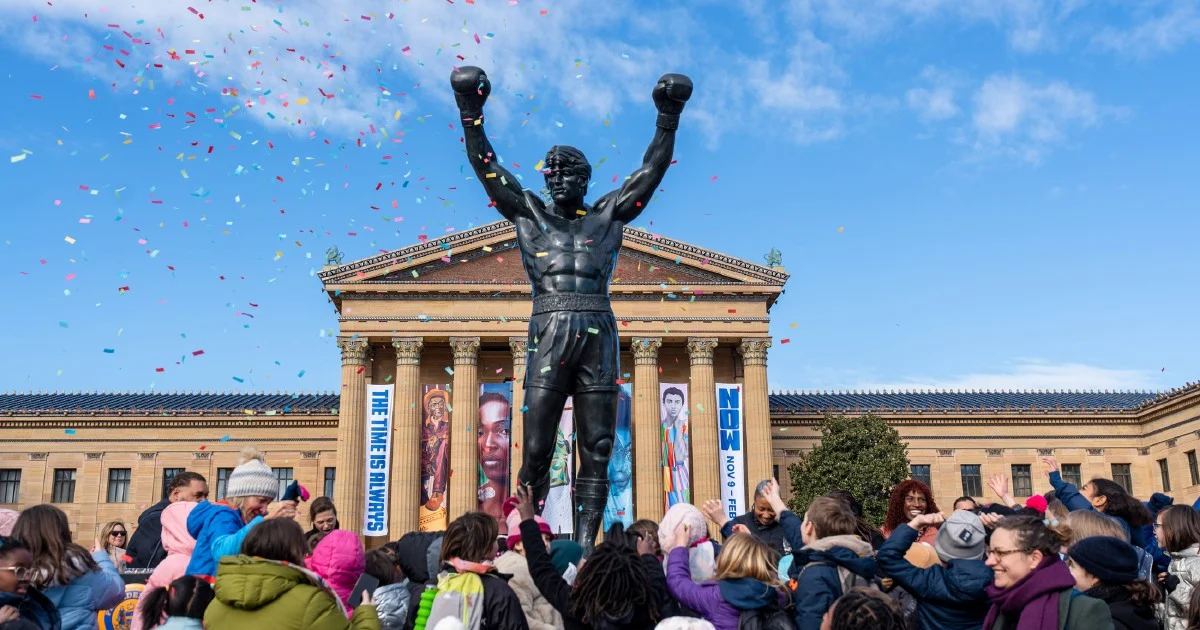
France's World Cup contingent received an unusual cautionary message on Saturday: resist the temptation to decorate Philadelphia's beloved Rocky Balboa statue with French colours. The warning comes amid a growing pattern of sporting disappointment that has apparently plagued national teams after their supporters dressed the iconic bronze figure in their nation's attire.
The statue, which depicts boxer Rocky Balboa at the top of the Philadelphia Museum of Art steps and has become a pilgrimage site for boxing fans and tourists worldwide, appears to carry an unexpected burden beyond its cultural significance. According to local observers, teams whose followers have adorned the monument with their national flags or colours have subsequently experienced unexplained setbacks in major competitions, creating a superstitious narrative that now surrounds the fixture.
This particular concern has gained traction among World Cup delegations preparing for matches in North America. The pattern suggests that whatever symbolic gesture supporters intend when dressing the statue—a mark of pride, a good-luck ritual, or simply tourism—the act seems to trigger subsequent misfortune. Whether coincidence or genuine curse, the regularity of poor performances following such decorations has become impossible to ignore.
For France, already carrying the weight of defending their title and meeting heightened expectations from fans across Europe and Africa, the additional psychological burden of a potential curse poses an intriguing challenge. The French squad has invested significant effort in preparation and tactical planning, yet finds itself warned about an external variable that lies entirely beyond the control of players and coaching staff. This reflects how even rational, professional sporting environments remain susceptible to folklore and superstition.
The Rocky statue itself represents an American icon deeply embedded in popular culture since Sylvester Stallone's 1976 film launched a global phenomenon. The Philadelphia location is particularly significant as the birthplace of American independence and a city with rich sporting traditions. The statue has weathered decades of admirers, tourists, and now, apparently, the competitive spirits of international sporting teams who see it as a convenient symbolic target.
Landmark authorities and local officials have begun communicating the curse narrative more deliberately during major international sporting events held in or near Philadelphia. While maintaining a tone of good humour, the warnings carry serious intent—practical crowd management combined with genuine concern about superstitious behaviours that could damage the monument or create management headaches. The statue has endured countless touches, embraces, and adornments over the years, so preventing new ones represents an uphill battle.
The psychological dimension of sporting superstitions deserves examination, particularly at World Cup level where margins between success and failure often prove razor-thin. Players and managers routinely employ pre-match rituals, wear lucky items, and maintain behavioural patterns based on previous successes. When fans feel empowered to contribute to their team's fortunes through symbolic gestures—like decorating statues—the collective psychological investment deepens. Conversely, when poor results follow such actions, the superstition becomes self-reinforcing.
For travelling supporters, the Rocky statue represents more than a monument; it embodies connection to the host nation, proof of their team's presence, and a tangible target for expressing national pride. The warning effectively asks them to sacrifice this ritualistic outlet, replacing it with caution and restraint. Whether French supporters heed the advice remains to be seen, particularly if early results prove disappointing and desperate measures seem justified.
Other World Cup nations operating in the region will likely adopt similar precautions, with word spreading quickly through supporter networks, social media, and official team communications about the statue's reputation. The curse story has become embedded in this World Cup narrative, creating shared knowledge that transcends normal sporting discussion. It blends folklore, superstition, cultural tourism, and competitive anxiety into a uniquely modern phenomenon where ancient-feeling superstitions intersect with international sport.
The broader implication for France's campaign extends beyond simple superstition. Should the team underperform, media narratives will inevitably reference the curse, supporters may blame themselves for inadequate caution, and the statue will gain further legendary status. Conversely, if France performs brilliantly despite supporters potentially adorning the statue anyway, the curse narrative dissolves, replaced by stories of determination overcoming superstition. Either way, Philadelphia's Rocky statue has become an unexpected supporting character in this World Cup drama.
For Malaysian and regional fans observing from afar, the incident highlights how international sporting events generate their own mythologies and superstitions that transcend rational planning. It serves as a reminder that even at the highest levels of professional sport, psychological factors, cultural practices, and folklore remain powerful forces shaping team performance and fan behaviour.

