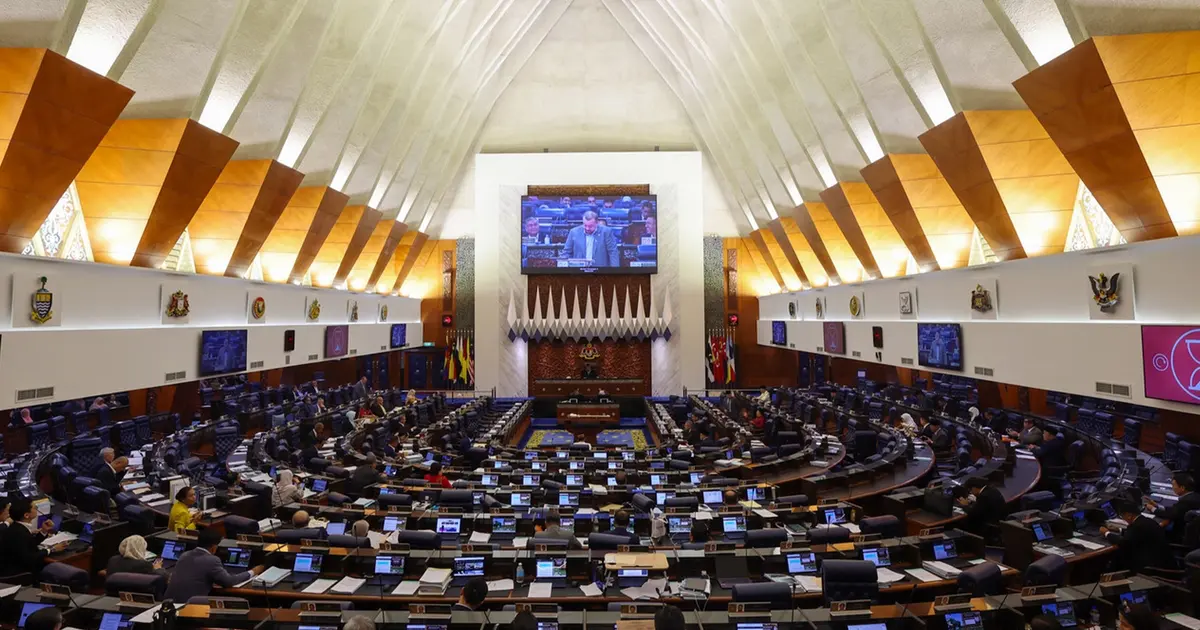
The Dewan Rakyat prepares to revisit a contentious proposal capping the Prime Minister's tenure at 10 years when parliament reconvenes for its sitting beginning Monday, marking the latest chapter in Malaysia's ongoing constitutional reform debate. The bill, which represents one of four substantial legislative items on the agenda, carries particular significance as it attempts to introduce formal limits on executive power—a measure that touches on fundamental questions about governance and leadership succession in the Malaysian political system.
The attempt to impose a decade-long ceiling on prime ministerial service encountered substantial resistance during the previous parliamentary sitting, failing to achieve the supermajority backing required for constitutional amendments. The two-thirds threshold represents a notably high bar for legislative changes in Malaysia, reflecting the framers' intent to ensure broad consensus before altering the foundational constitutional architecture. This earlier setback has not deterred proponents, who evidently view the issue as sufficiently important to warrant renewed parliamentary engagement.
Proposals restricting executive tenure have emerged globally as responses to concerns about concentration of power and the entrenchment of individual leaders within governmental structures. Malaysia's specific context involves several layers of complexity. The constitution already delineates the monarch's role as head of state separate from the Prime Minister's executive function, yet the premiership remains among Asia's most influential positions, commanding substantial patronage networks, legislative control, and appointment authority. A 10-year limit would theoretically prevent any single individual from accumulating the institutional advantages that extend beyond formal tenure.
The implications for Malaysia's political landscape warrant careful examination. Southeast Asian democracies have grappled with varying approaches to executive constraints. Thailand's recent constitutions imposed presidential limits, while other regional systems rely on institutional checks rather than temporal restrictions. The Malaysian proposal sits within this broader regional conversation about balancing democratic governance with stable administration.
Under a 10-year cap, individuals could theoretically serve as Prime Minister through two full electoral cycles, assuming consistent parliamentary majorities. This timeframe differs substantially from the tenure experienced by some previous Malaysian premiers, several of whom served notably longer periods. The reform would introduce unprecedented structural constraints on premiership duration, fundamentally altering career trajectories for ambitious politicians and potentially reshaping coalition dynamics as parties contemplate succession planning with greater urgency.
The supermajority requirement itself reflects Malaysia's constitutional protections for certain foundational provisions. Securing this level of support demands either extraordinary consensus across political divides or commanding parliamentary strength sufficient to overcome internal dissent. The earlier failure suggests that achieving consensus remains challenging, with potential opposition from multiple quarters—some fearing the measure threatens effective governance continuity, others potentially viewing it as inadequately restrictive.
Beyond the term limit proposal, the parliamentary agenda encompasses three additional bills warranting legislative attention. These measures, while less immediately prominent in public discourse than premier tenure constraints, likely address significant policy domains affecting governance, public administration, or economic regulation. The specific content and implications of these remaining bills will shape the overall legislative package before members.
The timing of this parliamentary sitting arrives amid Malaysia's ongoing political negotiations and coalition management. Parties must calibrate their positions carefully, balancing principled positions on constitutional reform against pragmatic parliamentary arithmetic. Legislators face decisions about whether supporting stricter executive constraints aligns with their broader political interests and ideological commitments.
Regional observers will watch Malaysia's progress on executive tenure questions with particular interest, as Southeast Asia continues experimenting with different democratic institutional designs. The outcome carries potential ramifications beyond Malaysian borders, potentially influencing how neighboring nations approach similar debates about leadership succession and executive accountability.
The earlier parliamentary rejection of this proposal demonstrates that constitutional amendments cannot simply be compelled through repeated votes; they require sustained political will and meaningful consensus building. How effectively supporters mobilize for the renewed attempt, whether they incorporate modifications addressing previous opposition, and whether additional parliamentary members shift positions will determine the measure's fate.
Parliamentary observers note that constitutional reform efforts frequently require multiple attempts, as legislators gradually align around proposed changes. The decision to bring this measure forward again signals its proponents' conviction that the 10-year prime ministerial cap represents important democratic architecture worth pursuing despite earlier setbacks. Whether this week's sitting produces different results remains uncertain, but the effort itself underscores Malaysian lawmakers' engagement with questions about institutional design and executive power constraints.

