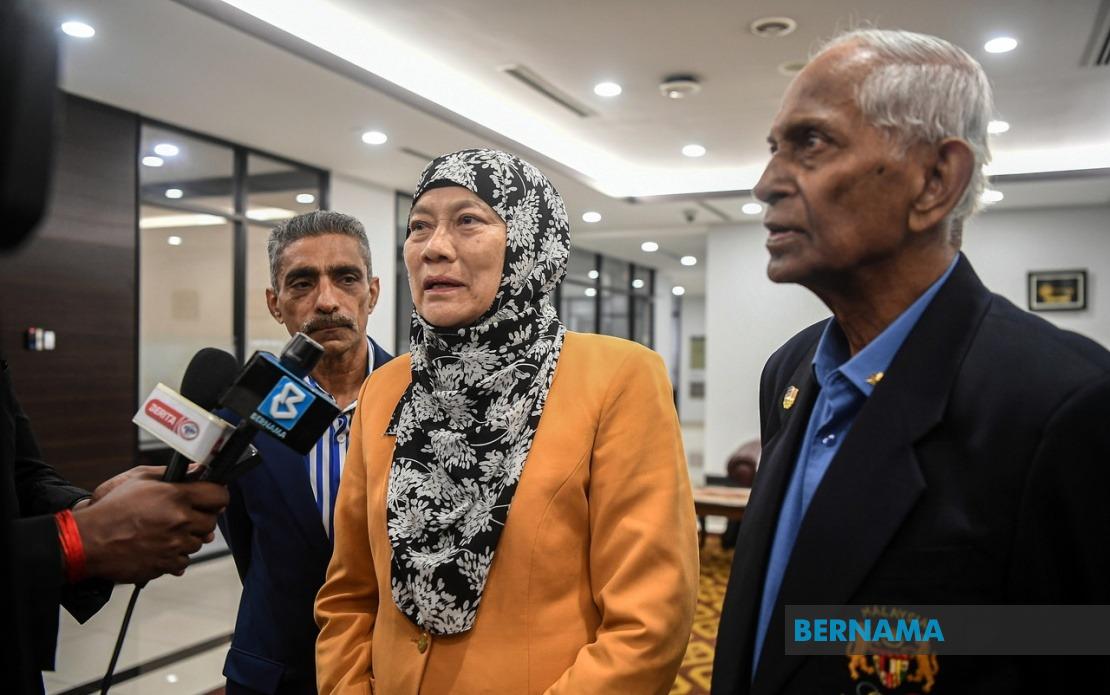
Datuk Zaiton Othman, a decorated former Sports Commissioner and athlete, has sounded the alarm over Malaysia Athletics' administrative practices, emphasising the critical need for the national governing body to strengthen its compliance framework with World Athletics standards. Speaking to reporters following a meeting with Youth and Sports Minister Dr Mohammed Taufiq Johari at Parliament, Zaiton underscored the serious consequences that could flow from continued governance lapses, ranging from formal sanctions to the outright cancellation of MA's international registration.
The risks facing Malaysian athletics extend far beyond administrative matters. Should the World Athletics impose disciplinary action against MA, the national federation would be unable to organise sanctioned events, a restriction that carries enormous implications for the 2027 SEA Games being hosted on home soil. More immediately troubling for Malaysian athletes is the prospect of exclusion from international competitions recognised by the world governing body, a scenario that would essentially isolate local competitors from the global athletics calendar and devastate their competitive development and international career prospects.
Athletics represents one of the most prolific medal-producing sports at Southeast Asian Games, historically competing with swimming and shooting for medal supremacy at the biennial competition. The track and field programme alone offered 47 gold medals at recent SEA Games, with prestigious events such as the 100-metre sprint and the 4x100-metre relay serving as marquee attractions that capture regional sporting pride. The prospect of Malaysia being unable to organise these events as host nation in 2027 would represent both a logistical catastrophe and a profound embarrassment on the regional stage.
Zaiton, whose distinguished athletic career earned her the sobriquet 'Iron Woman' for her dominance in heptathlon, framed the governance concerns as a matter of national sporting principle. The delegation that met with Minister Johari included not merely administrative figures but respected voices from Malaysia's athletic heritage: Olympian Datuk Karu Selvaratnam and Datuk Noorul Ariffin Abdul Majeed, former chairman of the National Athletes Welfare Foundation. Their unified presence signalled that governance failures strike at the heart of athlete welfare and career prospects, transcending bureaucratic niceties to become a question of protecting the national sporting interest.
The constitution of Malaysia Athletics contains provisions that diverge from World Athletics standards, a technicality with potentially severe ramifications. Amendments or policy decisions that contradict the founding principles of the international governing body create legal jeopardy and invite punitive responses. Zaiton articulated this concern with clarity: allowing domestic constitutional discrepancies to persist risks triggering the very suspensions and cancellations that would cripple Malaysian athletics' international standing. The situation represents a preventable crisis, provided that MA acts swiftly to harmonise its governance structures with global requirements.
Governmental involvement in sports administration occupies a delicate constitutional space within Malaysian law. Although the Sports Development Act 1997 theoretically restricts direct ministerial intervention in association affairs, the legislation simultaneously vests authority in the Sports Commissioner and the relevant ministry to monitor compliance and enforce regulatory standards. This framework acknowledges that while sports bodies must retain operational autonomy, government has a legitimate interest in ensuring they function within established legal parameters and maintain eligibility to compete internationally. The delegation's approach respects this boundary while leveraging available regulatory tools to encourage compliance.
The underlying catalyst for heightened concern centres on Malaysia Athletics' president Karim Ibrahim, whose standing within international athletics has been complicated by disciplinary history. In 2018, the World Athletics imposed a suspension on Ibrahim, a penalty subsequently upheld by the Court of Arbitration for Sport following formal appeal. Despite this setback, Ibrahim retained the technical ability to serve on the Asian Athletics Federation Executive Council through the 2019-2023 cycle, preserving some international influence. His decision to take leave from the MA presidency pending an anticipated constitution amendment at the upcoming Annual General Meeting suggests acknowledgement that governance realignment cannot be indefinitely postponed.
The timing of these governance discussions acquires particular urgency given Malaysia's approaching responsibilities as SEA Games host. Regional athletic federations and individual nations will scrutinise Malaysian preparations with heightened attention, viewing the nation's capacity to organise athletics as a litmus test of overall Games competence. Any suggestion of international regulatory non-compliance could undermine confidence in broader Games administration and invite unwanted external scrutiny at a moment when the nation seeks to project sporting and organisational excellence throughout Southeast Asia.
The broader implications for Malaysian sport extend beyond athletics itself. Should Malaysia Athletics face international sanctions, the precedent might embolden other international sporting bodies to scrutinise governance practices within Malaysian federations more rigorously. This heightened international attention could expose similar compliance gaps in other sports organisations, potentially triggering cascading regulatory challenges. Conversely, swift and decisive action by Malaysia Athletics to align with World Athletics standards would demonstrate sporting governance maturity and preserve Malaysia's international sporting reputation as a responsible, regulation-conscious participant in global sports administration.
Zaiton's intervention represents a carefully calibrated appeal to institutional responsibility rather than a direct confrontation with MA leadership. By framing governance compliance as essential protection for national athletes rather than bureaucratic obligation, she appeals to the federation's fundamental duty of care towards Malaysian competitors. The question now confronting Malaysia Athletics is whether internal constitutional amendments proceeding through the scheduled Annual General Meeting will prove sufficiently comprehensive to satisfy World Athletics standards and forestall the sanctions threat. The federation's responsiveness to this moment will determine not only its own institutional future but also the trajectory of Malaysian athletics on the international stage and the nation's credibility as steward of the 2027 SEA Games.

