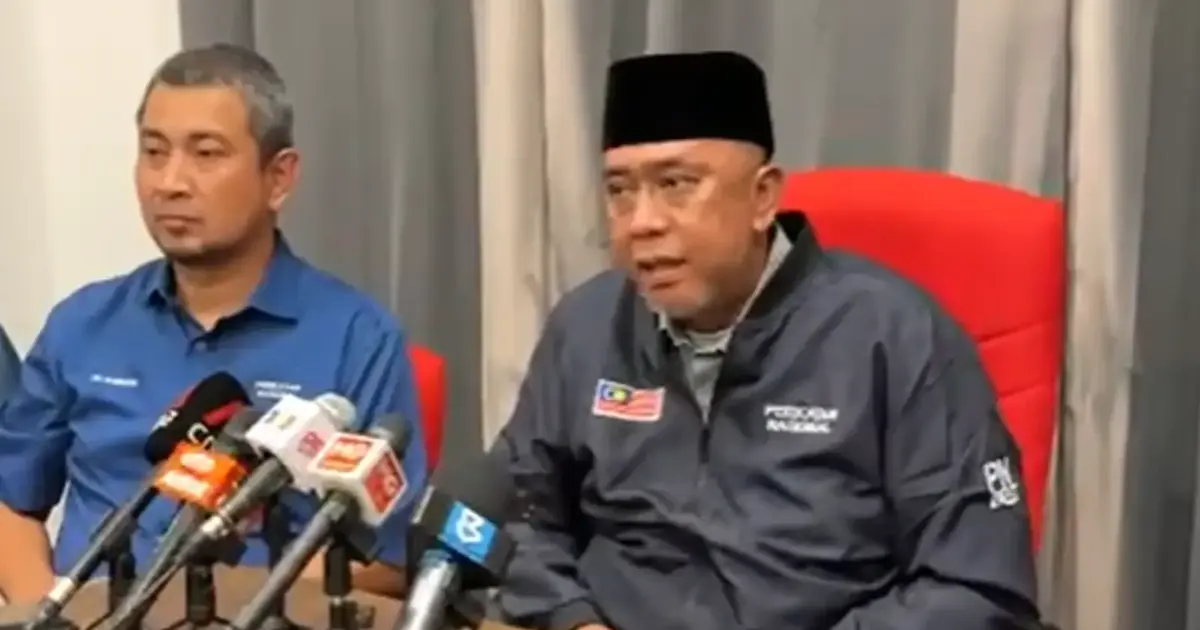
Abd Mutalip Abd Rahim, who previously represented the Layang-Layang constituency, has severed ties with Umno and moved to Bersatu, deciding to contest future elections under the Perikatan Nasional ticket instead. The defection marks another instance of internal coalition tensions surfacing within the broader Barisan Nasional and Perikatan Nasional political structures, reflecting deeper grievances over seat distribution that continue to plague Malaysia's ruling alliances.
The decision by Abd Mutalip represents a direct consequence of seat-allocation disagreements that have plagued coalition negotiations. By ceding the Layang-Layang seat to MCA, Umno effectively signalled to its long-standing member that alternative arrangements would determine his electoral future. Rather than accepting a different candidacy or stepping back, Abd Mutalip chose to explore opportunities within the rival Perikatan Nasional framework, where Bersatu offered him a path to defend or reclaim electoral representation.
The movement of experienced parliamentarians between coalitions underscores the fragility of Malaysia's multi-party alliance system. When component parties prioritise seat negotiations over member retention, they risk losing seasoned politicians to competing blocs. Abd Mutalip's departure signals that individual MPs are increasingly willing to switch allegiances when personal and political interests diverge significantly from party strategy, particularly when major coalition partners make unilateral decisions affecting their candidacies.
Umno and MCA's seat-sharing arrangement reflects the broader coalition mathematics governing Malaysia's electoral landscape. The MCA, despite its declining electoral fortunes, continues to negotiate for parliamentary seats as part of the Barisan Nasional bargain established decades earlier. However, this arrangement frequently disadvantages Umno members in constituencies where both parties harbour legitimate claims. Umno leaders have privately expressed frustration over accommodating coalition partners while managing internal dissatisfaction from their own ranks.
Abd Mutalip's pivot to Perikatan Nasional via Bersatu introduces another layer of complexity to opposition politics. Bersatu, originally founded as a breakaway faction from Umno, has consolidated its position within Perikatan Nasional as a credible challenger formation. By recruiting experienced MPs from Umno, Bersatu strengthens its claims to offer an alternative power structure that competes directly with the Barisan establishment.
For Malaysian voters in Layang-Layang, this development transforms the electoral landscape meaningfully. They will now encounter significantly different political messaging and policy frameworks depending on which candidate ultimately secures nomination from either Umno or Bersatu. The constituency, previously contested between Umno and opposition forces, now faces a more complex three-cornered dynamic where Bersatu-backed candidates may split the centre-right vote.
The incident illustrates persistent challenges within seat allocation mechanisms across Malaysian coalition structures. Neither Barisan Nasional nor Perikatan Nasional has successfully implemented transparent, merit-based systems for determining candidacies. Instead, backroom negotiations continue to generate resentment among ambitious MPs seeking to advance their political careers. When outcomes disappoint senior party members, defection becomes an attractive alternative.
Bersatu's recruitment of Abd Mutalip advances its strategic objective of positioning itself as an Umno alternative capable of attracting experienced parliamentary talent. The party, which struggled initially to establish credibility beyond its founding leadership, benefits substantially from absorbing MPs with established constituencies and voter networks. Abd Mutalip brings institutional knowledge and electoral infrastructure that Bersatu would otherwise require years to develop.
This development carries implications for Southeast Asian coalition politics more broadly. Malaysia's experience demonstrates how fragmented party systems relying on coalition arrangements frequently destabilise when component parties impose decisions constraining individual member advancement. Indonesian and Thai observers have noted similarities in how seat allocation disputes trigger defections and realignments across their respective political systems.
The realignment also reflects generational shifts within Umno's hierarchy. Younger and mid-career MPs increasingly question whether loyalty to Umno justifies accepting diminished roles within coalitions. If similar patterns accelerate, Umno's internal cohesion could face unprecedented pressure, potentially triggering cascading departures to Bersatu or other formations.
For Perikatan Nasional strategists, Abd Mutalip's recruitment represents tactical progress in demonstrating that the coalition possesses momentum capable of attracting sitting parliamentarians. Each defection strengthens Perikatan's parliamentary footprint and enhances its credibility as a genuine governing alternative, though fundamental structural challenges persist regarding its ability to articulate a coherent national agenda distinct from simple opposition to Barisan incumbents.

