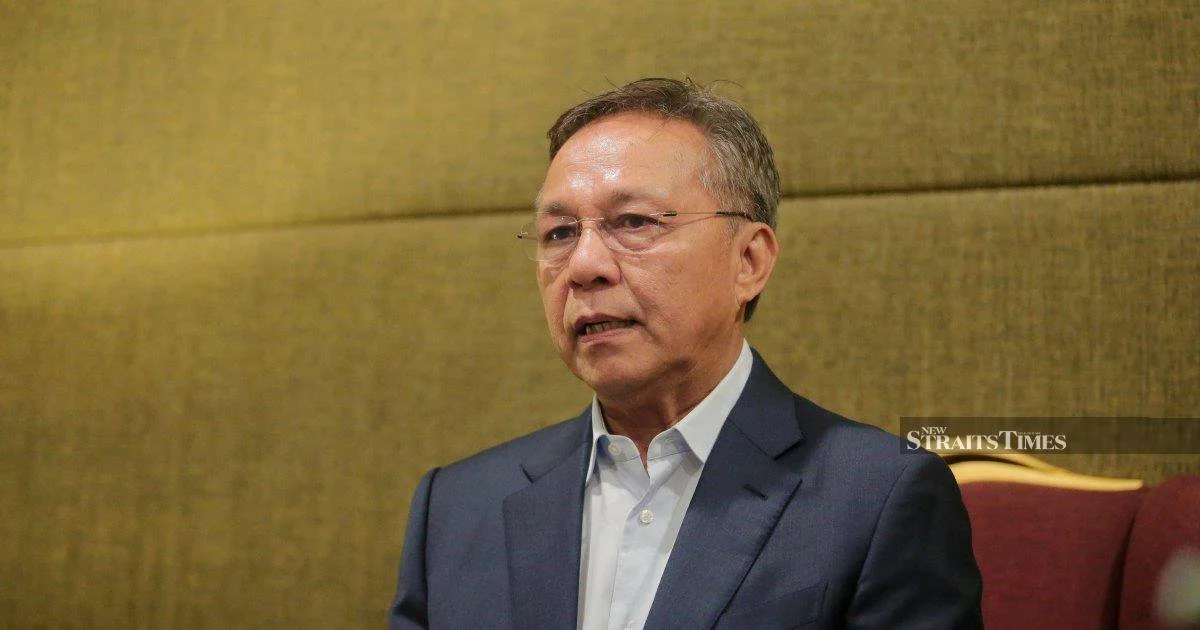
Datuk Seri Hasni Mohammad, who previously served as Johor's chief minister, will not be contesting in the forthcoming state elections under the Barisan Nasional banner, according to the coalition's published candidate list for Johor. The omission of the seasoned politician from the state slate has prompted political observers and analysts to speculate about his next move, with several suggesting he may seek a federal parliamentary seat in the next general election cycle.
The decision to exclude Hasni from the state ballot represents a notable shift in the political landscape of Johor, Malaysia's most populous state. His absence from the candidate list marks a departure from his previous electoral participation at the state level and raises questions about the future trajectory of his political career and his standing within the Barisan Nasional coalition. The move has generated considerable discussion within political circles regarding potential realignment and strategy adjustments ahead of future electoral contests.
Hasni Mohammad's tenure as menteri besar established him as a significant figure within Johor's political hierarchy. His background and experience in state governance have made him a recognisable name in Malaysian politics, particularly in the southern region. The decision to step back from state-level candidacy may reflect broader considerations within Barisan Nasional regarding candidate placement and succession planning at both state and federal levels.
Political analysts have noted that the exclusion from the state slate does not necessarily signal a withdrawal from electoral politics altogether. Instead, many observers view this development as a potential repositioning, with Hasni potentially being groomed for or considering a leap to the parliamentary arena. The federal legislative tier offers different opportunities and represents a natural progression for senior politicians with established credentials and organisational backing.
The composition of election candidate lists is typically subject to intense internal coalition negotiations, with various factions and party structures lobbying for preferred nominees. The finalisation of Johor's slate for the state elections would have involved extensive deliberations among Barisan Nasional components, state party leadership, and federal party structures. Hasni's non-inclusion suggests either that competing interests prevailed in these negotiations or that his political trajectory is being deliberately redirected toward federal contests.
For Malaysian voters and political observers, such candidate list decisions often foreshadow broader shifts in party strategy and individual political fortunes. The removal of an experienced politician from a state ballot, particularly one with Hasni's profile, inevitably sparks analysis about internal party dynamics and the calculations that drive electoral positioning. These moves frequently reveal tensions between regional autonomy and central party direction, as well as generational transitions within political organisations.
The parliamentary constituency route would represent a different strategic dimension for Hasni's political career. Federal elections typically involve broader geographical constituencies and different voter demographics compared to state assembly seats. A shift toward parliamentary politics could indicate Barisan Nasional's intentions to deploy experienced state-level figures in federal contests where their established reputation and network might yield electoral advantage.
Johor's political environment remains highly competitive, with multiple coalitions vying for state assembly representation and federal parliamentary seats. The state has historically served as a testing ground for national political trends and continues to be a crucial battleground for major coalitions. Candidate selections in Johor therefore carry implications beyond the state itself, often reflecting and influencing broader national political calculations.
The timing of candidate announcements and the composition of electoral slates frequently contain signals about party leadership's assessment of political prospects in various constituencies. The decision regarding Hasni's candidacy would have been informed by polling data, local political assessments, and calculations about which candidates could best serve the coalition's electoral objectives. Such determinations ultimately reflect judgements about both political viability and strategic priorities.
For Hasni personally, the transition from state-level politics to a potential federal parliamentary candidacy represents a significant career juncture. Such moves can either mark a genuine promotion within the political hierarchy or sometimes precede a gradual exit from electoral politics. The actual outcome will depend on whether he secures a competitive parliamentary nomination and his performance in any subsequent general election campaign.
The broader implications for Barisan Nasional in Johor also merit consideration. The coalition's competitiveness in this crucial state depends significantly on effective candidate selection and deployment of experienced political operators. How the coalition fills the space vacated by Hasni's exclusion from the state slate, and whether it successfully integrates him into federal electoral strategy, will contribute to shaping electoral prospects in both state and national contests.

