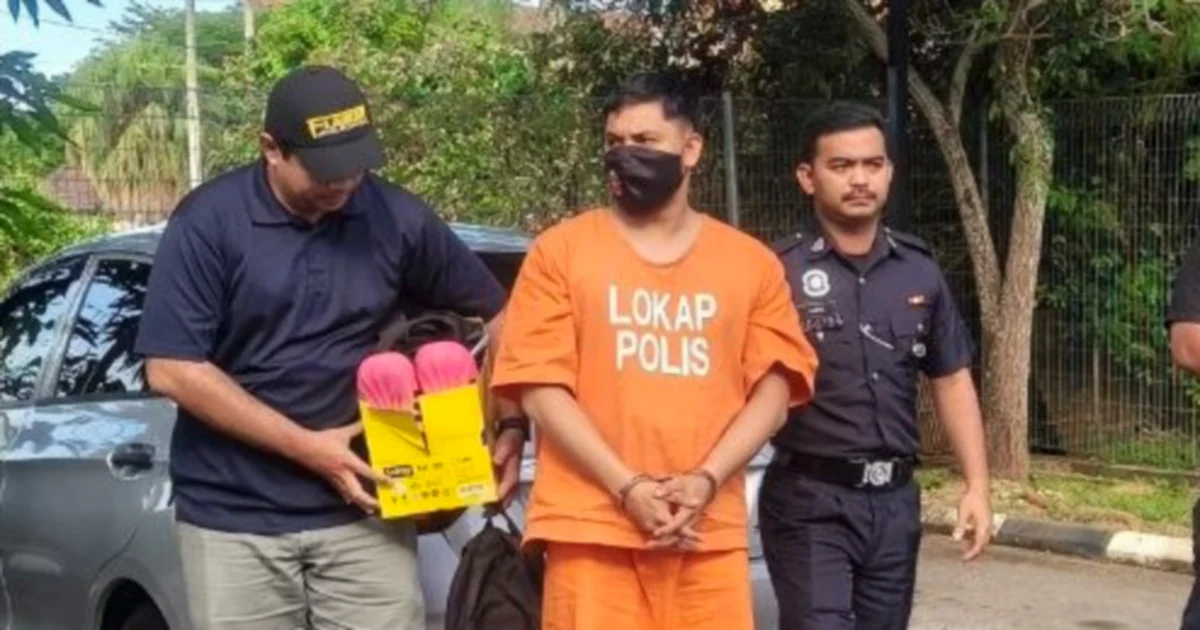
A Besut magistrate's court handed down a substantial financial penalty against a former information technology professional on Tuesday, holding him accountable for exploiting government assistance programmes through systematic identity fraud. The individual, who had previously worked in the technology sector, admitted guilt to three separate charges involving the unauthorised use of other people's identity cards. The court imposed an RM18,000 fine, with the alternative consequence of 18 months' imprisonment should the convicted offender fail to settle the monetary penalty.
The case represents a troubling pattern of subsidy scheme abuse that has become increasingly prevalent across Malaysia. The Budi95 programme, which provides essential financial support to qualifying segments of the population, has unfortunately attracted fraudsters seeking to extract benefits through deception. By usurping the identities of legitimate beneficiaries or innocent citizens, perpetrators like the defendant in this case manage to siphon resources intended for genuine assistance. Such schemes depend entirely on trust and honest participation from applicants, making identity fraud a particularly damaging violation.
Identity card misuse constitutes a serious breach of both personal privacy and public trust. When individuals exploit another person's identity, they not only commit fraud against government systems but also potentially damage the reputation and financial standing of the victims whose details were stolen or misused. In the context of subsidy claims, this compounds the harm by diverting limited public funds away from those genuinely entitled to support. The magistrate's decision to impose a substantial fine reflects the seriousness with which courts now treat such offences.
The Besut case underscores broader vulnerabilities within Malaysia's welfare distribution infrastructure. As digital systems become more central to administering social programmes, the necessity of robust identity verification and fraud detection mechanisms has grown correspondingly critical. Authorities managing these systems must balance accessibility for legitimate beneficiaries with stringent safeguards against exploitation. The conviction demonstrates that enforcement mechanisms remain active, yet the fact that such cases continue to emerge suggests that preventative measures may require strengthening.
For Malaysian readers, this case carries direct implications regarding the sustainability of social assistance programmes. When funds earmarked for subsidies are diverted through fraud, the financial burden ultimately falls on taxpayers and reduces resources available for legitimate recipients. Government welfare schemes operate under budgetary constraints, meaning each instance of fraudulent claims represents genuine opportunities lost for deserving citizens. The financial penalties imposed in such cases, while meaningful, often prove insufficient to recover the full amount of subsidies obtained through deception.
The prosecution of identity card fraud cases reflects efforts by enforcement agencies to combat what has become a significant category of crime affecting government services. State-level authorities, including those in Terengganu where Besut is located, have increased focus on subsidy programme abuse following alarming increases in reported incidents. The conviction in the magistrate's court signifies successful detection and prosecution, though questions remain about how many additional cases may have evaded detection.
The defendant's background as a former information technology engineer raises additional concerns about the sophistication potentially available to fraudsters. Individuals with technical expertise may possess enhanced capability to navigate or circumvent administrative systems designed to prevent multiple claims. This particular defendant's professional background, while not definitively indicating technical manipulation occurred, highlights why sector-specific expertise can enhance an offender's capacity to conduct fraud across complex bureaucratic landscapes.
Different government subsidy programmes present varying levels of vulnerability to identity-based fraud. The Budi95 initiative, aimed at providing targeted assistance, requires careful administration to ensure that verification procedures are sufficiently rigorous without creating unnecessary barriers for legitimate applicants. The three separate charges against this individual suggest the fraudulent activity was neither isolated nor accidental, indicating instead a deliberate pattern of repeated offending. Courts respond proportionately to such patterns, justifying the RM18,000 sanction imposed.
Looking forward, the case demonstrates both the effectiveness of Malaysia's prosecutorial systems and the ongoing challenge posed by subsidy fraud. As government increasingly shifts towards digital administration of social programmes, investment in sophisticated verification technologies and fraud detection algorithms becomes paramount. The alternative of 18 months' imprisonment serves as a strong deterrent, signalling that courts treat such matters as criminal conduct meriting custodial sentences when fines remain unpaid. This reinforces that identity fraud carries serious legal consequences beyond mere financial penalties.
Citizens concerned about the security of their personal information should remain vigilant about protecting their identity card details and monitoring government subsidy records to detect any unauthorised claims made in their names. Reporting suspected fraud to authorities ensures that cases like the Besut prosecution can proceed, ultimately strengthening the integrity of programmes designed to support vulnerable populations. The conviction stands as a cautionary example that fraudulent subsidy claims, regardless of sophistication or the offender's professional background, face vigorous legal prosecution and meaningful consequences.

