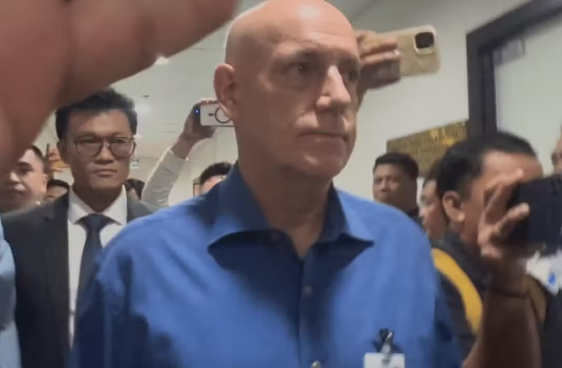
Tab Baldwin, the former head coach of Ateneo de Manila University's men's basketball programme, finally made an appearance before the National Bureau of Investigation on Tuesday afternoon after twice failing to attend scheduled hearings related to a drowning investigation that has gripped Philippine sports circles. Baldwin arrived at the NBI Homicide Division around 1:45pm accompanied by his legal counsel Karl David, marking a significant development in the ongoing probe into the deaths of student-athletes Rene Baterbonia and Divine Adili, whose tragic drowning during a team activity has shocked the local sports community and prompted scrutiny of coaching practices and athlete safety protocols.
The former coach's delayed appearance underscores the complexity and sensitivity surrounding the case, which has attracted considerable media and public attention. Baldwin's absence from two previously scheduled meetings raised questions about his willingness to cooperate with authorities and prompted speculation about the direction of the investigation. On June 16, Baldwin failed to appear at his first scheduled session, with his legal representatives citing that the coach was "not in good condition." This explanation did little to quell growing public interest in understanding the circumstances that led to the deaths of the two young athletes.
The second missed appointment occurred on June 19, though in this instance Baldwin had a competing obligation, having appeared before the Philippine National Police-Criminal Investigation and Detection Group on the same day. The existence of parallel investigations by both the NBI and the PNP reflects the gravity with which authorities are treating the incident, with both agencies separately gathering evidence and testimonies to construct a comprehensive understanding of what transpired at the team activity in Dipaculao, Aurora, earlier this month.
The involvement of two separate investigative bodies has created a complex procedural landscape. NBI Director Melvin Matibag revealed that one of the bureau's priorities would be to compare Baldwin's statement to the NBI with the testimony he had previously provided to the CIDG, examining consistency and potential discrepancies that might shed light on the events leading to the drowning. This comparative analysis suggests investigators are seeking to establish a clear narrative of the incident and assess Baldwin's account of his responsibilities and actions during the fateful team activity.
Baldwin's role as head coach places him at the centre of inquiries into whether proper safety measures were observed during the activity. In the Philippine sports ecosystem, particularly within elite university athletic programmes, coaching staff bear significant responsibility for athlete welfare and adherence to safety protocols. The circumstances of a drowning incident during a team-organised activity inevitably raise questions about supervision, medical preparedness, and whether appropriate warnings or restrictions were communicated to participants.
The broader context of this incident reflects ongoing concerns about athlete safety in Southeast Asian sports programmes. Universities in the region, while producing talented athletes, sometimes operate with safety standards that fall short of international best practices. The Ateneo case has prompted reflection across Philippine university sports about whether current protocols adequately protect young athletes engaged in potentially hazardous activities, a concern that resonates across the region.
The NBI's intention to conclude its investigation this week suggests authorities are working under time pressure to complete their initial fact-finding before moving toward potential formal charges or recommendations. The speed at which the investigation is progressing indicates the seriousness with which the case is being treated, though it also raises questions about whether thorough investigation can be completed within such a compressed timeframe for a matter of this complexity and sensitivity.
Baldwin's professional background and standing in Philippine basketball add another layer to the case. As a respected coach with significant experience in the sport, questions about his leadership during the team activity have taken on elevated importance. The manner in which this investigation concludes will likely influence how Philippine universities and sports organisations approach athlete supervision and risk management going forward.
The parallel investigations by the NBI and PNP also highlight institutional dynamics within the Philippine law enforcement system. While both bodies are presumably working toward the same factual truth, the existence of separate proceedings could potentially complicate the investigative process or create opportunities for inconsistencies in how evidence is gathered and interpreted. For Malaysian observers and Southeast Asian sports administrators more broadly, the case illustrates the importance of clear investigative jurisdiction and coordinated approaches to sensitive incidents involving youth athletes.

