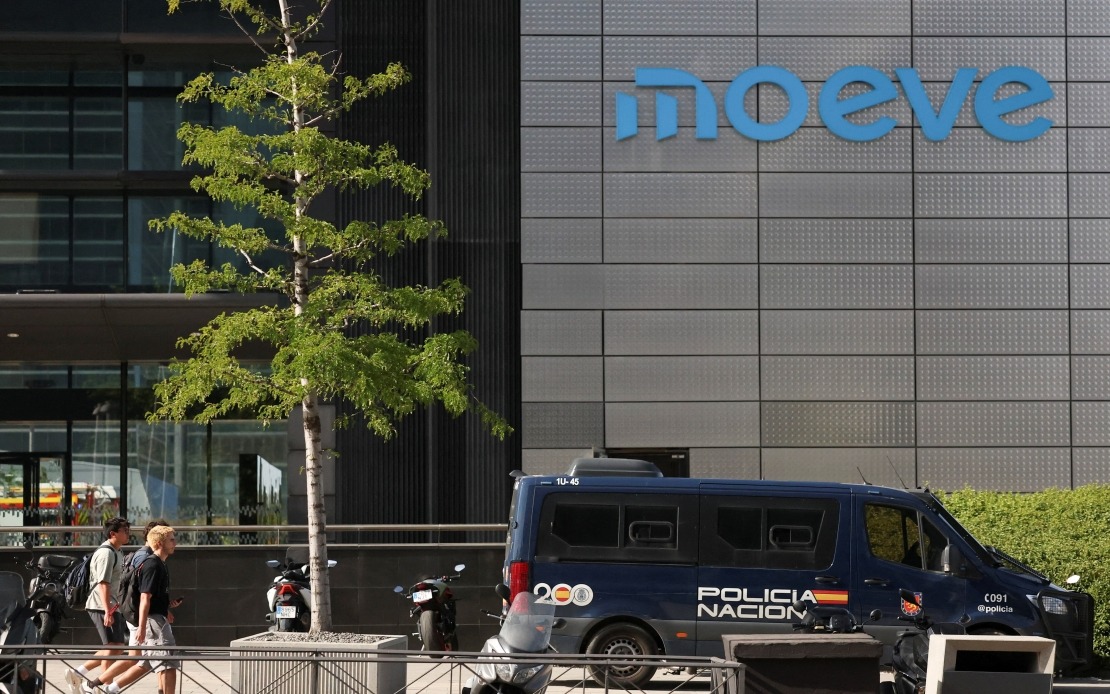
A substantial fire tore through Torre Moeve, Madrid's second-tallest building, on Tuesday afternoon, sending thick plumes of smoke across the Spanish capital that residents could observe from considerable distances. Prompted by an explosion occurring around 5:00 pm local time within the structure, the blaze prompted immediate evacuation procedures as a precautionary measure. Thankfully, authorities confirmed no deaths or serious injuries resulting from the incident, though emergency response teams remained actively engaged throughout the afternoon and evening.
The conflagration originated on the 25th floor, a level that contains critical technical infrastructure rather than office or residential spaces. This location proved significant, as technical rooms typically house mechanical and electrical systems that power the entire building. The concentration of potentially flammable materials in such utility spaces, combined with the height at which the fire broke out, presented substantial challenges for emergency responders seeking to contain the situation.
Emergency protocols activated swiftly following the initial explosion. Firefighting units from the Madrid City Council mobilised to the scene and commenced comprehensive suppression operations. Within a reasonable timeframe, crews successfully extinguished the flames and shifted focus toward thorough internal inspections to ensure no secondary fires or structural damage posed ongoing risks. The speed of containment reflected both the efficiency of Madrid's emergency services and the building's integrated fire safety systems.
While the incident unfolded dramatically with visible smoke billowing over the cityscape, the actual human toll remained minimal. Local medical personnel documented that two workers sustained minor smoke inhalation injuries, while a bystander nearby experienced an anxiety response to the emergency. All three individuals received initial assessment and treatment at the scene, with medical staff determining hospitalisation unnecessary. Their release at the location indicated the injuries were sufficiently minor to require only observation and supportive care.
Torre Moeve's prominence as Spain's second-tallest structure meant the incident garnered substantial public attention and media coverage. Major incidents at landmark buildings inherently command heightened scrutiny, particularly when evacuation becomes necessary. The tower's status as a recognisable feature of Madrid's skyline ensured the incident would resonate beyond immediate residents, reaching audiences across Spain and internationally.
The circumstances surrounding the explosion that precipitated the fire remain under investigation. Understanding the precise cause of the initial blast held importance not only for insurance and liability purposes but also for assessing whether the building's safety systems functioned as designed. Given that technical rooms were involved, investigators would likely examine equipment failure, electrical issues, or maintenance-related factors as potential triggers.
For Malaysia and Southeast Asian observers, such incidents at major metropolitan buildings underscore the critical importance of robust emergency response infrastructure and rigorous building safety standards. Countries in the region, including Malaysia, continue developing increasingly sophisticated fire detection and suppression systems as urban skylines expand. The successful evacuation and containment at Torre Moeve provides a case study in how modern building codes and emergency preparedness protocols can effectively mitigate risks when major incidents occur.
The quick response demonstrated by Madrid's emergency services illustrates the value of well-coordinated civil protection systems. Southeast Asian cities increasingly face similar challenges as they develop taller, more complex structures in densely populated areas. Lessons from European experiences with high-rise fires, building evacuation procedures, and emergency communication systems during crises offer valuable insights for regional urban planners and safety officials.
Torre Moeve's incident also highlights the distinction between dramatic visual impact and actual danger. While plumes of smoke photographed against Madrid's skyline created striking imagery, the swift containment and comprehensive evacuation meant the threat to human life remained manageable. This pattern differs markedly from historical tower fires that lacked modern safety features, reinforcing how contemporary construction standards and emergency protocols substantially reduce risks despite inherent dangers in tall structures.
Investigators from the Spanish government delegation in Madrid and National Police would likely spend considerable time examining technical systems, maintenance records, and building inspection histories. The focus on the 25th floor's technical infrastructure suggested that routine equipment maintenance or potential mechanical failures warranted examination. Such investigations typically extend over weeks or months as engineers assess every aspect of the affected area.
For Madrid residents and the broader Spanish public, the incident ultimately resolved favourably thanks to effective emergency response. The evacuation proceeded without panic or chaos, emergency services contained the fire efficiently, and no lives were lost. As Madrid continues operating as one of Europe's major metropolitan centres, such incidents reinforce the ongoing necessity of investment in fire safety infrastructure, staff training, and building code enforcement that protects increasingly dense urban populations.

