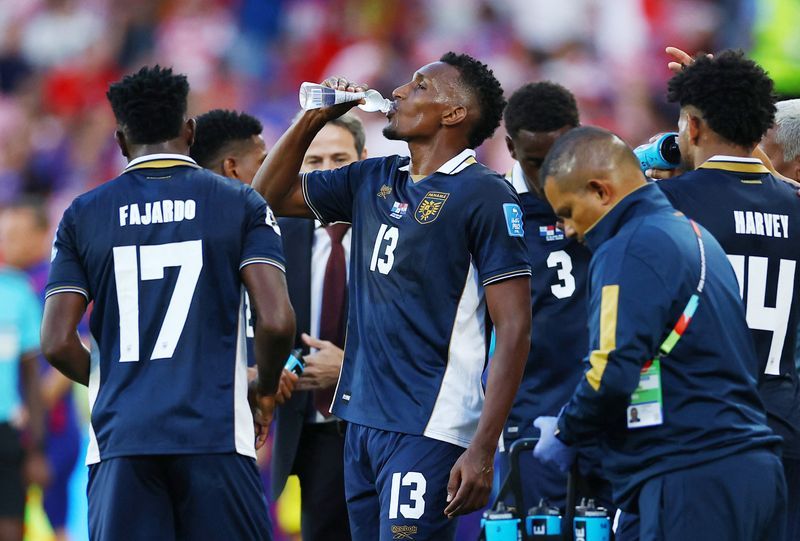
FIFA president Gianni Infantino has moved to quell mounting criticism over mandatory hydration breaks at the World Cup, asserting that the stoppages are grounded in genuine sporting considerations and have nothing to do with generating additional revenue for football's governing body. The three-minute breaks, mandated in the 22nd and 67th minutes of every match, have proved controversial since their introduction in the opening round, prompting pushback from players, technical staff, and supporters who question their impact on the sport's fundamental nature.
The timing of these breaks coincides with commercial advertising windows available to broadcasters, a reality that has fuelled suspicion among critics that commercial interests have influenced the decision. Viewers have voiced frustration at being subjected to lengthy commercial breaks during stoppages, creating the perception that matches are being interrupted primarily to serve advertising schedules rather than player welfare. This narrative has gained traction despite FIFA's official explanations centring on heat management and competitive fairness.
Infantino sought to dismiss these allegations head-on, emphasising that FIFA receives no incremental income from the hydration breaks because all broadcast and commercial agreements were negotiated and finalised well before the innovation was introduced. According to his statement, the financial arrangements with media partners remained unchanged, meaning the breaks generate no additional revenue streams for the international federation. This distinction matters significantly for how the decision should be evaluated and understood by fans and stakeholders.
Beyond revenue considerations, the breaks have opened practical avenues that some coaches find strategically valuable. The stoppages provide legitimate opportunities for technical staff to deliver tactical instructions and make in-game adjustments without using substitutions, effectively creating a coaching advantage during the match. Critics argue this fundamentally alters how football operates by breaking the traditional flow that has defined the sport for generations, disrupting the continuous rhythm that both players and audiences have come to expect.
Highly respected tacticians have publicly expressed reservations about the new format. England manager Thomas Tuchel characterised the interruption as transformative in a problematic way, suggesting it undermines the essential character and identity of competitive football. Uruguay's Marcelo Bielsa similarly contended that fragmenting matches into shorter segments removes what makes the sport distinctive, arguing that the uninterrupted flow is central to football's appeal and nature.
Not all coaches have rejected the innovation outright. Spain's Luis de la Fuente and Netherlands captain Virgil van Dijk have acknowledged the legitimate rationale behind protecting player welfare in extreme heat, yet they have raised questions about applying the rule uniformly across all matches, regardless of ambient temperature or venue conditions. Their perspective suggests that context-dependent application might be more appropriate than a blanket approach, a nuance that deserves consideration in the ongoing debate.
Infantino pointed to the gruelling nature of the World Cup schedule as an additional justification beyond heat management alone. The tournament spans 39 days during which participating teams must potentially play eight matches, creating enormous physical demands on squads. The mandatory breaks function as built-in recovery moments that ensure players receive structured rest periods regardless of coaching decisions, contributing to injury prevention and sustained performance levels across the extended competition.
A critical element of Infantino's defence rests on competitive equity across the tournament. He argued that permitting hydration breaks only in matches affected by extreme heat would create unfair advantages for teams playing in hotter conditions, as their coaches could make tactical adjustments while opponents in cooler environments could not. This asymmetry would contradict FIFA's commitment to ensuring all teams operate under identical regulatory frameworks, he suggested.
Infantino also disputed the contention that the breaks have degraded match quality, asserting that players have maintained performance intensity and athleticism throughout matches despite the interruptions. If the stoppages genuinely compromised the sport's competitive intensity or reduced physical effort, this would present a separate justification for reconsidering the measure. However, he indicated that observable evidence from matches suggests players remain fully engaged at high levels of exertion.
The debate surrounding hydration breaks reflects broader tensions within modern professional football about balancing player welfare, competitive integrity, commercial viability, and sporting tradition. Southeast Asian fans and stakeholders, already navigating the complexity of watching World Cup matches scheduled across varied time zones and climates, face their own perspectives on whether these interruptions enhance or detract from the viewing experience. For Malaysian audiences in particular, understanding FIFA's rationale matters as the sport continues evolving in response to contemporary challenges including climate concerns and fixture congestion that affect regional competitions as well.
The controversy ultimately highlights how innovations in sport, even those motivated by legitimate health and fairness considerations, inevitably generate friction when they visibly alter how matches are experienced. Infantino's clarifications attempt to reframe the narrative around player protection and competitive balance rather than commercial exploitation, yet the perception persists among sceptical observers that profit motives lurk beneath official explanations. Resolving this tension may require more granular evidence about match conditions and selective application of the rule rather than universal implementation.

