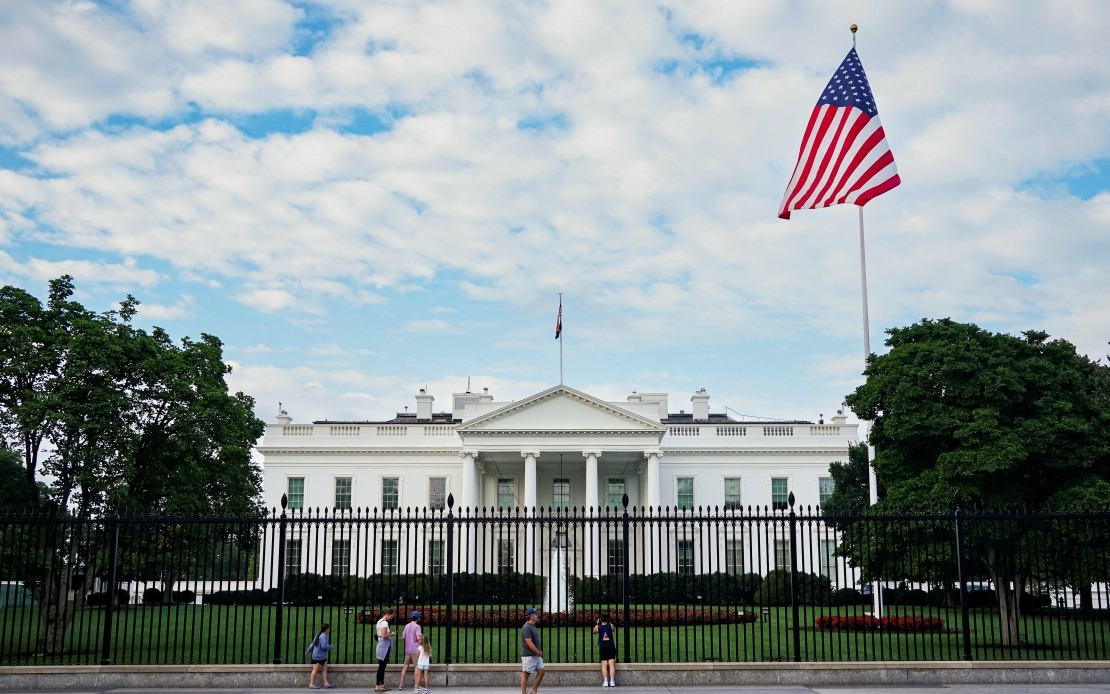
American law enforcement successfully disrupted what officials describe as a coordinated attack plot targeting a UFC event held at the White House on Sunday, according to an announcement by FBI Director Kash Patel. The event, which drew roughly 4,000 spectators to the South Lawn of the presidential residence, was organised to commemorate President Donald Trump's 80th birthday alongside the United States bicentennial celebration. Intelligence gathering that began on June 10 revealed the potential threat, leading to swift intervention by federal authorities and their law enforcement partners across multiple jurisdictions.
The alleged scheme was remarkably sophisticated in its apparent design. According to officials speaking with Fox News, the plotters purportedly intended to deploy explosive-laden drones to strike buildings adjacent to the event venue, a tactic designed to provoke widespread panic and force mass evacuations. This initial assault would have served a calculated purpose: channelling crowds toward predetermined positions where a sniper team lay waiting in concealment. The two-phase nature of the plot underscores the level of planning attributed to those involved, with investigators subsequently uncovering evidence of a "second wave" that would have attempted to breach the White House gates during the ensuing chaos.
Five individuals were taken into custody by Monday, and the investigation has since expanded significantly. Federal authorities have identified 23 people as potential members of a broader network of conspirators, suggesting the alleged plot involved coordination among multiple cells or individuals across different geographic areas. The fact that some suspects originated from outside the National Capital Region indicates the threat originated from a dispersed group rather than a localised operation, which poses particular challenges for law enforcement coordination and intelligence sharing.
The UFC America 250 event itself faced legal obstacles before the attack plot was uncovered. Two Virginia residents filed suit in federal court, arguing that hosting a combat sports event on the White House grounds violated existing regulations and precedent. However, on Friday—just two days before the scheduled event—a federal judge in the US District Court for the District of Columbia ruled against the challengers, permitting the unprecedented cage-fighting spectacle to proceed as planned. The court's decision proved consequential, allowing the event to occur despite the brewing security threat.
For Malaysian and Southeast Asian observers, this incident illuminates the evolving security landscape surrounding high-profile political events in the United States. The sophistication and multi-layered nature of the alleged plot—combining drone weaponry, explosives, and sniper positioning—reflects asymmetric tactics increasingly familiar in security assessments across the region. The identification of 23 potential conspirators from a dispersed network mirrors patterns of extremist mobilisation observed globally, where loose affiliations of individuals coordinate through digital means rather than formal hierarchical structures.
The alleged attack plan also underscores vulnerabilities in protecting large public gatherings at sensitive government locations. The intentional use of drones as delivery systems for explosives represents a weaponisation method that security services worldwide continue grappling with. That authorities identified and arrested suspects before execution demonstrates effective intelligence work, yet the sheer scope of the identified network raises questions about how such coordinated planning escaped detection for an extended period.
This foiled plot exists within a broader context of rising political violence in the United States, a troubling trend with implications for democratic governance and public safety. In April, an individual armed with guns and knives breached a security checkpoint at the White House Correspondents' Dinner and faced charges related to alleged assassination attempts against the president. These consecutive incidents suggest a sustained period of heightened threat assessment, requiring sustained vigilance from protective services and intelligence agencies.
The incident also demonstrates the complexities inherent in balancing security imperatives with ceremonial and symbolic functions of state. The White House, as both a working residence and the seat of executive power, must accommodate official functions while maintaining defensive postures. Hosting a UFC event on the South Lawn represented an unconventional choice that necessarily created novel security challenges, as protective protocols must adapt to unfamiliar configurations and crowd management scenarios.
For regional security analysts, the case study presents relevant lessons regarding threat assessment and interagency cooperation. The successful disruption required coordination between the FBI, Secret Service, local law enforcement, and other federal agencies—a model reflecting best practices in security infrastructure. The identification of a 23-person network from initial intelligence gathered on June 10 indicates effective investigative techniques, whether through surveillance, informant networks, or digital forensics.
The broader implications extend to considerations of extremism and political polarisation. Recruitment into alleged attack plots increasingly occurs through decentralised networks rather than traditional hierarchical organisations, making prevention more difficult yet paradoxically potentially more disruptable through early intervention. The fact that multiple individuals were willing to participate in an alleged scheme targeting the White House reflects the intensity of political sentiment among fringe elements in American society.
%22%2F%3E%3C%2Fpattern%3E%3C%2Fdefs%3E%3Crect%20width%3D%22100%25%22%20height%3D%22100%25%22%20fill%3D%22url(%23ph10aqng)%22%2F%3E%3Crect%20width%3D%22100%25%22%20height%3D%22100%25%22%20fill%3D%22url(%23ph10aqnp)%22%2F%3E%3Ctext%20x%3D%2250%25%22%20y%3D%2250%25%22%20text-anchor%3D%22middle%22%20dominant-baseline%3D%22central%22%20fill%3D%22rgba(255%2C255%2C255%2C0.95)%22%20font-family%3D%22Georgia%2C%20'Times%20New%20Roman'%2C%20serif%22%20font-weight%3D%22700%22%20font-size%3D%22170%22%20letter-spacing%3D%22-0.02em%22%3EObserved%3C%2Ftext%3E%3C%2Fsvg%3E)
%22%2F%3E%3C%2Fpattern%3E%3C%2Fdefs%3E%3Crect%20width%3D%22100%25%22%20height%3D%22100%25%22%20fill%3D%22url(%23ph58aebg)%22%2F%3E%3Crect%20width%3D%22100%25%22%20height%3D%22100%25%22%20fill%3D%22url(%23ph58aebp)%22%2F%3E%3Ctext%20x%3D%2250%25%22%20y%3D%2250%25%22%20text-anchor%3D%22middle%22%20dominant-baseline%3D%22central%22%20fill%3D%22rgba(255%2C255%2C255%2C0.95)%22%20font-family%3D%22Georgia%2C%20'Times%20New%20Roman'%2C%20serif%22%20font-weight%3D%22700%22%20font-size%3D%22170%22%20letter-spacing%3D%22-0.02em%22%3EObserver%3C%2Ftext%3E%3C%2Fsvg%3E)
%22%2F%3E%3C%2Fpattern%3E%3C%2Fdefs%3E%3Crect%20width%3D%22100%25%22%20height%3D%22100%25%22%20fill%3D%22url(%23ph4zgheg)%22%2F%3E%3Crect%20width%3D%22100%25%22%20height%3D%22100%25%22%20fill%3D%22url(%23ph4zghep)%22%2F%3E%3Ctext%20x%3D%2250%25%22%20y%3D%2250%25%22%20text-anchor%3D%22middle%22%20dominant-baseline%3D%22central%22%20fill%3D%22rgba(255%2C255%2C255%2C0.95)%22%20font-family%3D%22Georgia%2C%20'Times%20New%20Roman'%2C%20serif%22%20font-weight%3D%22700%22%20font-size%3D%22170%22%20letter-spacing%3D%22-0.02em%22%3EObserver%3C%2Ftext%3E%3C%2Fsvg%3E)