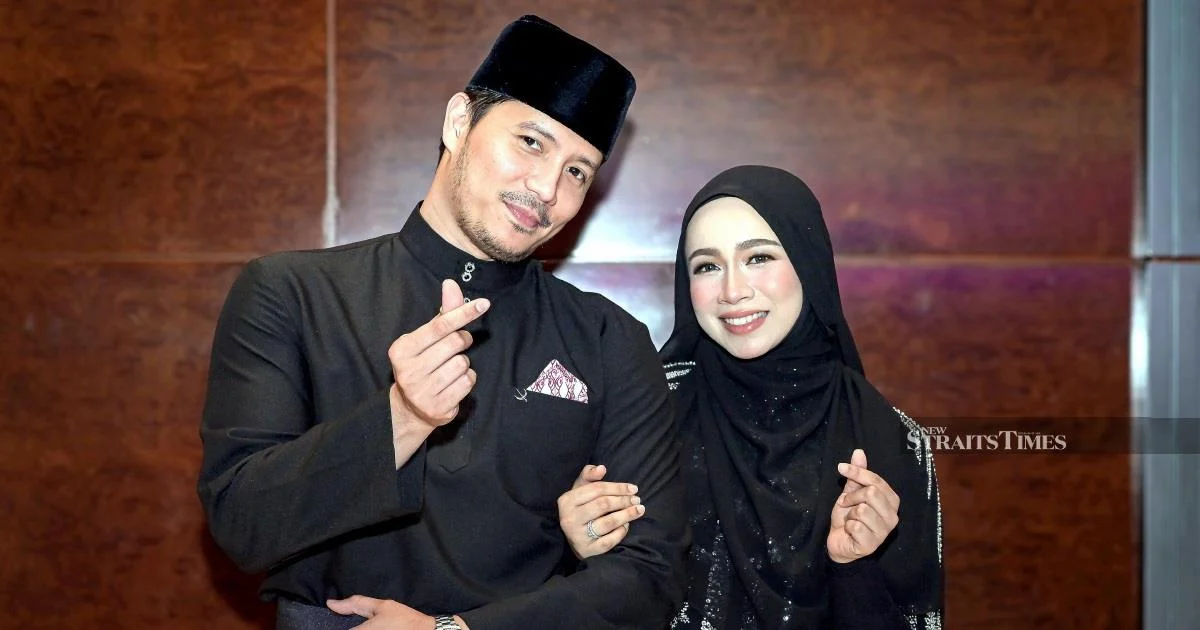
Malaysian entertainment figures Fattah Amin and Amira Othman have issued firm denials regarding allegations that connected them to an alleged physical abuse case involving their Indonesian domestic helper, which gained significant traction across social media platforms in recent days. The husband-and-wife celebrities have announced their intention to pursue legal action against those responsible for spreading what they characterise as baseless accusations.
The allegations emerged on social media through a series of posts and shared content that claimed to link the couple to mistreatment of their household worker. The precise origins of these claims remain unclear, though the speed with which the posts circulated highlights the viral nature of accusations on Malaysian social media platforms, where unverified claims can rapidly acquire substantial reach and credibility in the eyes of users.
Such incidents involving domestic helpers have become increasingly visible in Malaysia over recent years, reflecting broader public concern about the welfare of migrant workers. The issue touches on several sensitive areas: the vulnerability of domestic workers in private households, the power imbalance inherent in employer-employee relationships, and the role of social media in amplifying allegations before verification or due process.
The couple's decision to threaten legal action represents a calculated response that has become standard for Malaysian celebrities facing serious allegations. By signalling their preparedness to pursue defamation suits, they aim to establish a record of denial and demonstrate their confidence in their legal position. Such announcements also serve to reinforce their narrative among their own fan base and sympathetic observers who may be inclined to believe their account.
The domestic helper sector in Malaysia remains a complex and often opaque system. More than two million migrant workers, predominantly from Indonesia, the Philippines, and Bangladesh, work in Malaysian households, according to various estimates. The arrangements governing their employment, living conditions, and treatment often occur beyond public scrutiny, creating environments where disputes may arise without witnesses or documentation.
Indonesian domestic workers hold particular significance in this context, given the long-standing migration patterns between Indonesia and Malaysia. Employment disputes and allegations of mistreatment have occasionally become diplomatic matters between the two countries, with Indonesian authorities expressing concerns about the treatment of their citizens working abroad. Any verified case of abuse involving an Indonesian worker therefore carries implications beyond the individual household.
Social media has fundamentally altered how such allegations gain visibility and spread among Malaysian audiences. The platform dynamics reward sensational content and emotional engagement, sometimes at the expense of accuracy or context. This creates a challenging environment for those accused, as the speed of viral circulation often outpaces the ability of individuals to respond effectively or for information to be properly verified.
The couple's threatened legal action focuses accountability back onto those making or amplifying the allegations. Malaysian defamation law, both civil and criminal, provides mechanisms for individuals to seek redress against false accusations that damage their reputation. The credibility of such legal threats often depends on the strength of their evidence and their ability to identify those responsible for the original allegations and their subsequent propagation.
For the entertainment industry more broadly, such incidents underscore the vulnerability of public figures to reputation damage through social media accusations. The challenge for celebrities lies in responding swiftly and credibly to such allegations while avoiding actions that might themselves attract legal or public relations complications. The announcement of legal action serves partly to signal seriousness and confidence in one's position.
The broader context of this case involves ongoing discussions within Malaysia about domestic worker welfare and employment standards. Civil society organisations have campaigned for stronger protections for domestic helpers, including rights to rest days, employment contracts with clearly defined terms, and accessible complaint mechanisms. Whether allegations prove substantiated or not, such cases often reinvigorate these discussions.
For Malaysian audiences, the incident highlights the persistent gap between public visibility and private household dynamics. Unlike workplace settings that involve multiple employees and supervisory structures, domestic employment remains largely confined to individual homes, making independent verification of treatment genuinely challenging. This structural reality means allegations in such contexts often hinge heavily on testimony and available evidence.
The couple's denial and legal threats represent their opening position in what could develop into a more prolonged dispute, depending on whether those making allegations pursue their claims further. The resolution of such matters often depends on whether substantive evidence emerges, whether the original accusers can be identified and located, and how aggressively legal remedies are pursued by those implicated.
Ultimately, this case reflects the contemporary reality of celebrity in Malaysia: instantaneous exposure to reputational risk through social media, combined with traditional legal mechanisms designed to protect against false accusations. How it develops will likely influence how other public figures respond to similar allegations in future, and may contribute to broader conversations about both celebrity accountability and the safeguarding of those unable to defend themselves through conventional legal channels.

