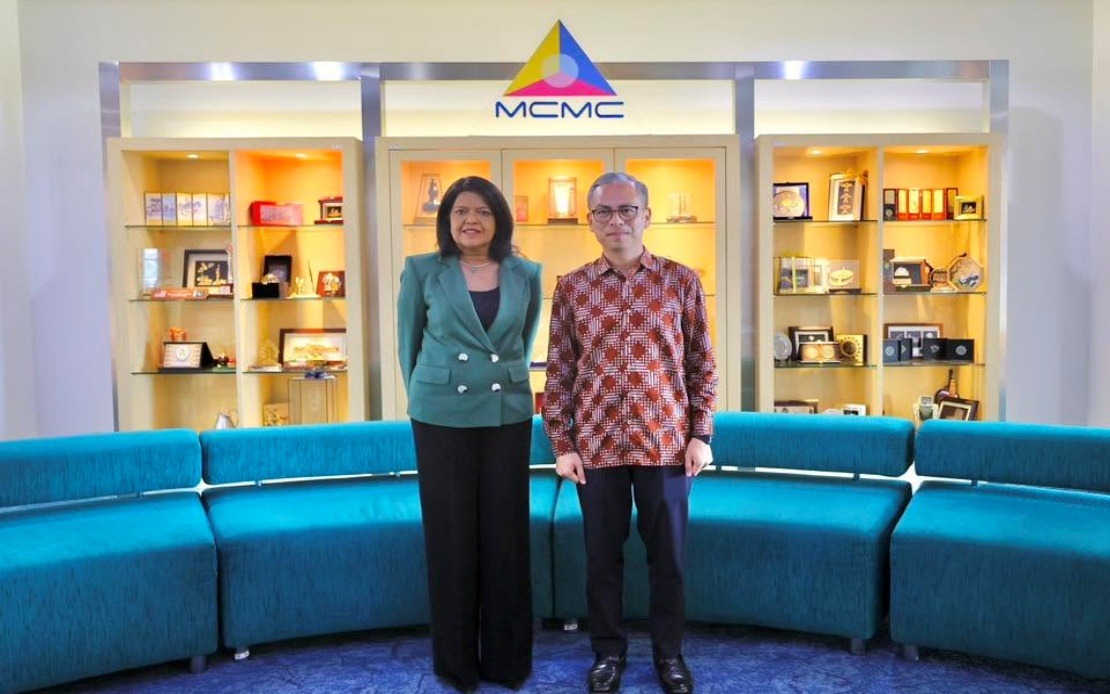
Communications Minister Datuk Fahmi Fadzil has welcomed Tan Sri Nallini Pathmanathan's elevation to the helm of the Malaysian Media Council, signalling government backing for the media industry's self-regulatory apparatus at a time of heightened scrutiny over press freedom and journalistic conduct. The minister's public endorsement underscores the significance of the appointment and reflects the government's interest in how the newly established body will operate.
Nallini, a former Federal Court judge with extensive judicial experience, brings substantial credibility to the role at a pivotal moment for Malaysian media governance. Her appointment as MMC chairman was unanimously endorsed by the council's board members during a meeting on May 26, and was formally announced on June 15. The consensus backing suggests broad stakeholder confidence in her ability to navigate the complex terrain of media regulation in Malaysia.
Fahmi's Facebook post framed Nallini's appointment as an opportunity to reinforce responsible media freedom while strengthening journalistic ethics across the country. His language—emphasizing both freedom and responsibility—reflects the delicate balance that the MMC must maintain between protecting editorial independence and ensuring ethical standards. For Malaysian readers, this message carries weight given ongoing debates about media accountability and public trust in news organisations.
The Malaysian Media Council itself represents a relatively recent governance framework, having been established under the Malaysian Media Council Act 2025. As a self-regulatory body, the MMC operates independently of government direct control, yet remains subject to legislative parameters. This structure distinguishes it from some international models and places particular responsibility on its leadership to demonstrate both credibility and effectiveness to a public increasingly sceptical of institutional impartiality.
Nallini's judicial background is particularly relevant to her new responsibilities. Her tenure on the Federal Court means she brings familiarity with constitutional law, including provisions governing freedom of expression and media rights. This expertise positions her to interpret the boundaries between protected editorial freedom and actionable breaches of journalistic ethics—a distinction that has generated considerable legal and political debate in Malaysia.
The minister's emphasis on sustaining media industry viability alongside ethical compliance touches on an economic dimension often overlooked in media freedom discussions. Malaysian newsrooms, like their counterparts regionally, face revenue pressures, changing audience behaviours, and digital disruption. A self-regulatory council that can maintain professional standards without imposing compliance costs that threaten viability becomes strategically important to maintaining a competitive local media ecosystem.
For Southeast Asian observers, Malaysia's investment in institutional media self-regulation offers a contrasting model to countries relying primarily on statutory regulation or those with minimal formal oversight structures. The MMC's independence, subject to its legislative mandate, reflects a particular approach to balancing plural press freedoms with accountability—one that other regional democracies may watch with interest as they grapple with similar governance questions.
Journalistic ethics frameworks have emerged as a central concern for media bodies across the region, driven by concerns about misinformation, sensationalism, and editorial standards. Fahmi's reference to strengthening ethics suggests the government sees the MMC as a mechanism to address these concerns through industry self-governance rather than regulatory prescription. This approach theoretically preserves editorial autonomy while creating mechanisms for addressing systemic problems.
Nallini's appointment also reflects broader questions about representation and expertise in governance institutions. As a woman leading a major media governance body, her visibility in the role carries symbolic significance alongside her substantive qualifications. The media industry itself has grappled with gender balance in senior positions, making her appointment potentially influential for institutional culture more broadly.
The timing of this appointment, following the enactment of the Malaysian Media Council Act 2025, suggests the government is moving deliberately to operationalize the statutory framework. With a experienced jurist now chairing the council, stakeholders can expect informed navigation of regulatory boundaries and legal complexities that may arise as the body develops its institutional processes and addresses industry complaints.
Looking forward, Nallini's tenure will be tested by her ability to command respect from both media organisations and the broader public. The credibility of any self-regulatory body depends on demonstrating that it addresses legitimate complaints while resisting pressure to suppress legitimate journalism. Her judicial background provides one foundation for this credibility, but sustained fairness and transparency in the council's operations will ultimately determine whether the MMC becomes an effective institutional actor in Malaysia's media landscape.

