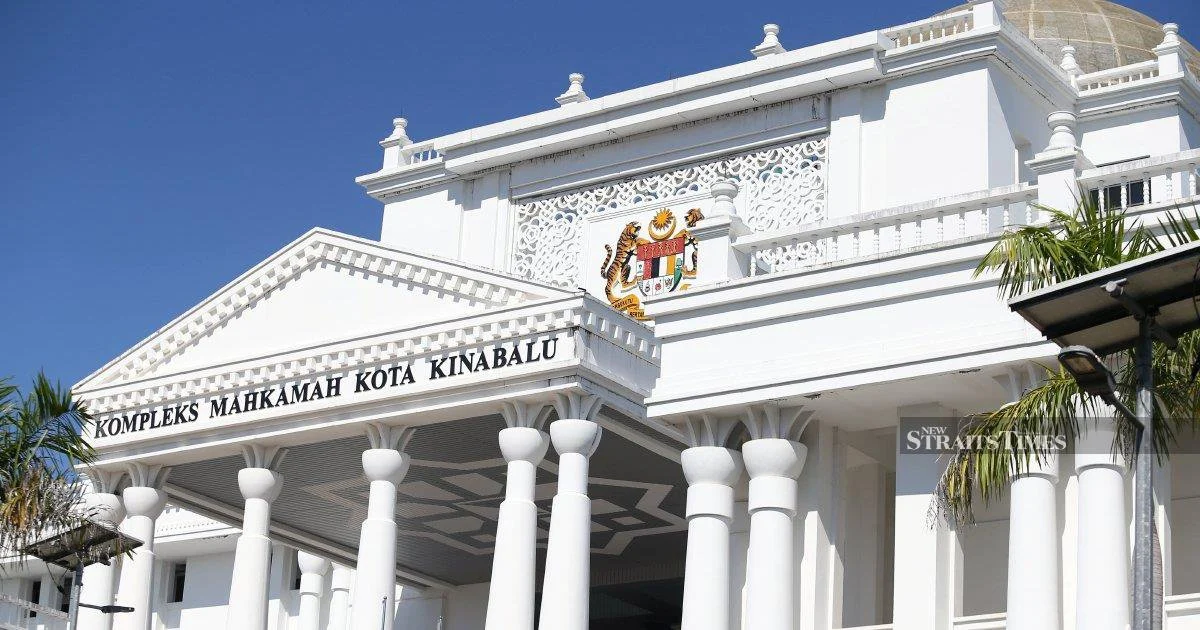
The inquest into the death of 13-year-old Zara Qairina Mahathir continued in Kota Kinabalu today with testimony from the 74th witness, a document examination expert who acknowledged significant limitations when challenged about another specialist's conclusions. Her candid admission about the constraints of contradicting peer analysis underscores the complexities inherent in forensic document examination and highlights how expert testimony in high-profile inquests can diverge fundamentally depending on methodology and interpretation.
The witness, called to provide specialist insight into documentary evidence relevant to the case, found herself unable to mount a definitive challenge against findings presented by another document examiner who had previously testified. Such situations in inquest proceedings are not uncommon when multiple experts examine the same materials and reach different assessments, yet the inability to articulate grounds for dispute raises important questions about the reliability of document analysis in forensic investigation.
Document examination, a field that encompasses handwriting analysis, signature verification, and assessment of mechanical and digital records, sits at an intersection of scientific methodology and subjective interpretation. When two qualified examiners cannot reconcile their findings, it often reflects genuine ambiguity within the evidence itself rather than professional incompetence. The witness's acknowledgment of this limitation demonstrates intellectual honesty but also illustrates why such cases demand careful judicial scrutiny.
Zara Qairina Mahathir's death has generated sustained public and media attention, with the inquest serving as the formal mechanism through which the circumstances surrounding her passing are examined under judicial oversight. The proceedings have extended through numerous witness testimonies, each building a factual record that will ultimately inform the coroner's conclusions. The involvement of multiple expert witnesses across different disciplines reflects the multifaceted nature of the investigation.
The progression to a 74th witness indicates an exhaustive inquiry process, with legal teams and the coroner's office calling specialists to establish evidentiary foundations across multiple domains. Document evidence often plays a crucial role in such inquests, whether through written records, communications, or physical documentation that may clarify the events leading up to and surrounding a death.
For Malaysian readers following this case, the inquest exemplifies how the legal system conducts thorough examinations of unexplained deaths involving minors. The inquest process, distinct from criminal trials, is designed to establish facts rather than determine criminal culpability. This distinction shapes how evidence is presented and what conclusions can be drawn from expert testimony that may otherwise seem inconclusive or contradictory.
The challenge of reconciling competing expert opinions becomes particularly acute in cases where the underlying evidence is ambiguous or subject to multiple valid interpretations. Document examiners, like forensic specialists in other domains, must work within the constraints of available materials and recognised analytical frameworks. When those frameworks yield different results in different hands, it raises fundamental questions about evidentiary weight and reliability.
In the context of Southeast Asian legal proceedings, such inquest inquiries represent important oversight mechanisms ensuring that deaths, particularly of minors, receive appropriate scrutiny. The detailed examination of witnesses and expert analysis demonstrates institutional commitment to establishing truth, even when that truth may be partial or contested. The Zara Qairina Mahathir inquest has drawn international attention, serving as a visible example of how Malaysian courts address sensitive matters involving young people.
The witness's position that she could not contradict the alternative expert's conclusions suggests that document examination, despite its scientific aspirations, retains significant subjective elements. This reality does not diminish the value of expert testimony but rather contextualises it appropriately within the broader evidentiary landscape. Judicial officers and juries alike must weigh such evidence carefully, recognising both its potential utility and inherent limitations.
As the inquest progresses through additional testimonies, the accumulation of evidence from multiple sources will gradually clarify the circumstances surrounding Zara Qairina Mahathir's death. The coroner will ultimately synthesise all witness statements, expert analyses, and documentary evidence into findings that reflect the most probable facts. The current testimony, while seemingly inconclusive regarding document examination, contributes to this larger mosaic of understanding.
For legal practitioners and observers of the Malaysian justice system, cases like this one illuminate how expert witnesses navigate the difficult terrain between scientific certainty and honest acknowledgment of professional limitations. The 74th witness's candid statement represents an important moment of transparency, even if it complicates the evidentiary picture. Such honesty, while sometimes frustrating to parties seeking definitive answers, ultimately strengthens the integrity of judicial proceedings.

