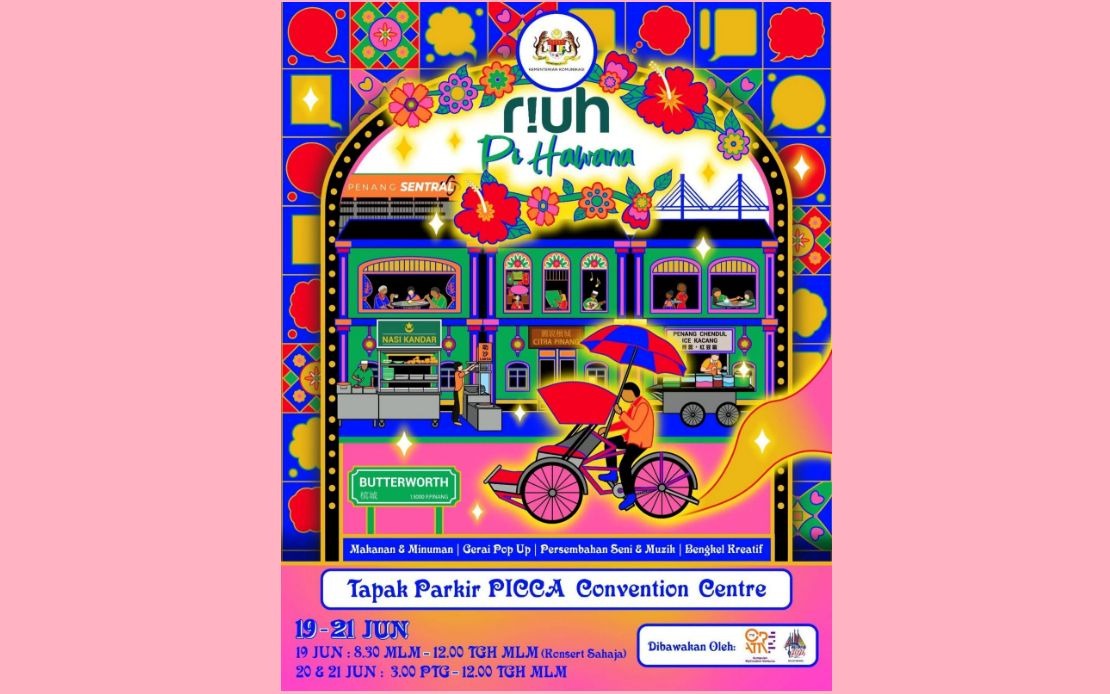
Penang is set to host one of the region's most anticipated entertainment gatherings as three of Malaysia's celebrated rock acts—Exists, Bunkface and Masdo—converge for the RIUH Pi HAWANA Carnival at the PICCA Convention Centre Parking Lot in Butterworth. Running across three days from June 19 to 21, the event promises to blend contemporary music with deep-rooted cultural experiences in a setting designed to welcome families and music enthusiasts alike.
The carnival emerges as a complementary cultural programme to the HAWANA 2026 Summit, which recognises the vital work of Malaysia's media community. Organised by MyCreative Ventures, the event weaves together entertainment and heritage in a manner particularly meaningful for Penang, a state renowned for its multicultural tapestry and artistic traditions. By anchoring the carnival with three headline acts spanning different eras and musical styles, organisers have crafted an experience that appeals across generational divides.
Scheduling plays a strategic role in the carnival's structure. The opening night on Friday sees abbreviated hours, running from 8.30 pm to midnight, allowing Exists to inaugurate the musical programme. The weekend shifts to a more expansive tempo, with Saturday and Sunday activities commencing at 3 pm and extending until midnight. This format maximises accessibility for working professionals on the Friday launch while creating full-day leisure opportunities for weekend visitors, a consideration increasingly important as Malaysian audiences seek flexible entertainment options.
Beyond the three headliners, the carnival curates a supporting cast of emerging and established local talent designed to sustain engagement throughout the three-day run. Performers including Chelsea Ng, Sakura Band, Fugo, Saint Kylo, Lucidrari and Budak Nakal Hujung Simpang will rotate through the schedule, preventing musical fatigue whilst showcasing the breadth of Malaysia's contemporary music scene. This approach mirrors successful festival models across Southeast Asia, where depth of lineup proves as crucial as individual artist prominence.
The carnival's scope extends substantially beyond the main stage. Organisers anticipate drawing approximately 30,000 visitors, a significant figure that underscores the hunger for large-scale cultural events in the northern region. To accommodate and engage this projected crowd, the programme incorporates a diverse vendor ecosystem comprising local food and beverage operators, artisanal brands, and interactive workshop stations. This mixed-use approach transforms the parking lot venue into a temporary cultural marketplace rather than a conventional concert space.
The workshop offerings reveal particular attention to Penang's heritage identity. Cyanotype printmaking and lumen photography techniques introduce visitors to experimental artistic processes, whilst stone seal carving workshops honour traditional craftsmanship. Zine-making sessions appeal to contemporary DIY culture movements gaining traction among younger audiences. Simultaneously, more culturally rooted activities—Nyonya beading experiences and Boria heritage exploration—ensure that contemporary entertainment connects meaningfully to Penang's layered cultural foundations, preventing the event from becoming merely another transient pop-culture gathering.
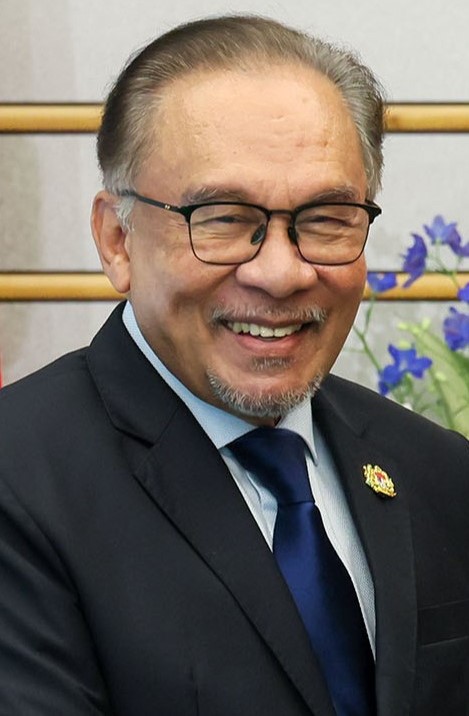
The carnival's timing strategically aligns with the broader HAWANA 2026 Summit, which carries the theme "Media Integrity strengthens Credibility." Prime Minister Datuk Seri Anwar Ibrahim is scheduled to officiate the summit on June 20, drawing approximately 1,000 media practitioners from Malaysia and international delegations. This convergence of entertainment and professional discourse creates unusual synergies—whilst journalists and communications professionals engage in substantive discussions about media ethics and national information ecosystems, parallel cultural programming anchors the event within the broader community.
The Ministry of Communications orchestrates the summit framework, with Bernama serving as the implementing agency. This governmental positioning underscores official recognition that cultural programming and media professionalism operate within interconnected spheres. By supporting a carnival that celebrates local artists alongside a summit examining journalistic integrity, Malaysian authorities signal that entertainment venues represent legitimate platforms for broader national conversations about cultural identity and information quality.
For Southeast Asian observers, the RIUH Pi HAWANA Carnival illustrates evolving approaches to festival programming across the region. Rather than importing international headliners or adopting wholesale foreign festival formats, the event privileges homegrown talent whilst maintaining professional production standards. This localist orientation reflects broader regional trends wherein Malaysian, Thai, Indonesian and Vietnamese audiences increasingly demand entertainment offerings that authentically reflect local identities rather than serving as mere reproductions of Western festival templates.
The three-day structure and projected attendance figures position the carnival as a genuine test case for post-pandemic event recovery in Malaysia. Large-scale outdoor gatherings have resumed, yet audience expectations have shifted markedly. Contemporary carnival-goers demand diverse programming options, heritage education components, and curator-led artist selection rather than commercially-driven lineups. The RIUH Pi HAWANA Carnival's emphasis on workshop activities, supporting local vendors, and cultural contextualisation suggests event organisers have absorbed these lessons.
For Penang specifically, the carnival represents meaningful investment in the state's soft power positioning within Malaysia. As competing claims around cultural heritage intensify across Malaysian states, Penang leverages its genuinely multicultural history and artistic productivity to host events that attract regional audiences. The combination of contemporary rock music with heritage craft workshops positions the state not as a preservation museum but as a living cultural nexus where tradition and modernity coexist productively.
Looking forward, the success metrics for this carnival will extend beyond attendance figures. Industry observers will assess whether the integrated summit-and-carnival model generates sustained cultural momentum, whether vendor participation translates into ongoing artistic collaborations, and whether attendees develop deeper engagement with Penang's heritage offerings. The event's outcome may well influence how Malaysian cities approach large-scale cultural programming, particularly regarding the integration of music, heritage, media discourse and community participation within single, multivalent festival experiences.