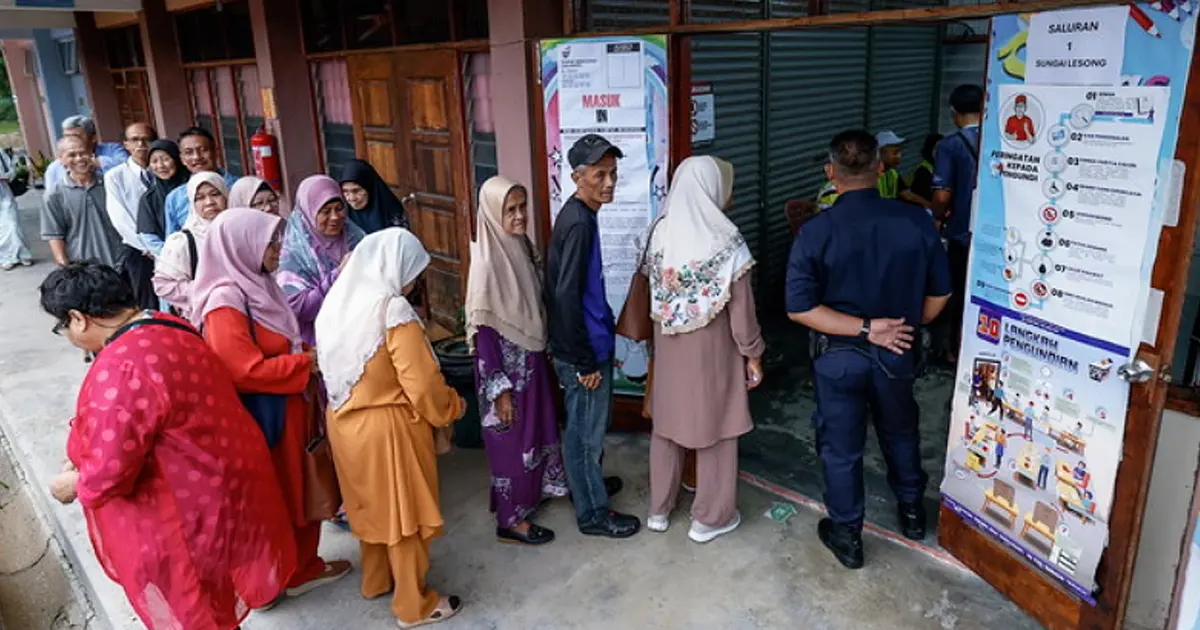
The relentless political discourse surrounding Malaysia's so-called 3R issues—religion, race and royalty—threatens to create a state of psychological exhaustion among Malay voters, potentially reshaping electoral dynamics in ways parties may not anticipate. According to Awang Azman Pawi, a political analyst at Universiti Malaya, the sustained emphasis on these culturally sensitive topics risks triggering what he describes as emotional fatigue, a phenomenon that could fundamentally alter voting behaviour across the peninsula's largest demographic bloc.
Awang Azman's assessment reflects a growing recognition within academic and political circles that voter priorities have shifted measurably in recent years. While the 3R framework has traditionally served as a powerful mobilising force in Malaysian politics, the analyst suggests that continuous engagement with these narratives may produce diminishing returns, particularly as household budgets tighten and real economic pressures mount. The distinction between strategic issue deployment and counterproductive message saturation appears increasingly relevant as parties vie for electoral advantage.
The cost of living emerges as a critical variable in this calculation. Malaysians across income bands face compounding pressures—from food prices and utility bills to rent and transport costs—that demand immediate political attention. When campaign messaging dwells excessively on abstract or culturally charged topics while tangible economic struggles persist, voters encounter a meaningful disconnect between political rhetoric and their daily experience. This gap creates vulnerability for parties perceived as out of touch with practical concerns.
Awang Azman emphasises that political parties will ultimately be evaluated not through the volume of 3R messaging they deploy, but through measurable outcomes and demonstrated competence in governance. The public assessment hinges on whether leadership successfully tackles concrete problems affecting livelihoods—whether through job creation, controlled inflation, accessible healthcare, quality education, or affordable housing. These deliverables, not symbolic gestures or cultural affirmations, determine whether voters grant parties their trust and continued support.
The phenomenon of emotional fatigue operates distinctly from mere disagreement or opposition. Fatigue suggests not rejection but rather exhaustion and withdrawal, a psychological state where voters mentally disengage from political messaging altogether. This response potentially benefits neither traditional players nor challenger parties, instead producing a broader depoliticisation that reduces turnout and engagement. For Malay-majority constituencies where the 3R framework historically commanded significant attention, such a shift could reshape electoral landscapes unpredictably.
Regional contexts across Southeast Asia offer instructive parallels. Neighbouring nations have witnessed instances where relentless emphasis on identity-based politics, while successful short-term, eventually alienated electorates hungry for competence-focused governance. Thailand's multiple constitutional episodes, Indonesia's tensions between identity politics and institutional performance, and Philippines electoral dynamics all reflect how voters ultimately prioritise economic management and service delivery over sustained cultural narratives, regardless of those narratives' emotional resonance.
For Malaysian parties, the challenge becomes calibrating messaging to maintain core support whilst acknowledging the primacy of economic governance in voter decision-making. The 3R framework need not disappear from political discourse, but its deployment requires sophistication—integration with concrete policy proposals affecting livelihoods rather than existence as standalone talking points. A credible commitment to managing inflation, strengthening employment prospects, and expanding social safety nets serves simultaneously to address voter concerns and reinforce rather than compete with identity-based messaging.
The analyst's warning also carries implications for cross-party dynamics. Opposition coalitions have opportunity to gain ground by positioning themselves as economically competent alternatives, particularly if they articulate clear, detailed solutions to cost of living pressures. Conversely, parties in government risk squandering incumbency advantages if they respond to opposition challenges primarily through intensified 3R narratives rather than demonstrated economic stewardship. The electoral battlefield increasingly tilts toward parties capable of answering basic questions about how they would make Malaysians' lives more affordable and secure.
Awang Azman's analysis suggests that sophisticated political operators recognise the boundary between effective communication and counterproductive oversaturation. Parties that maintain their cultural and identity foundations whilst pivoting meaningfully toward economic competence messaging position themselves advantageously. Those doubling down exclusively on 3R framings risk accelerating the very emotional fatigue that diminishes their persuasive power. The analytical lens through which voters evaluate political offers continues shifting, and successful parties must shift along with it.

