A major fraud investigation in Beijing has exposed an elaborate scheme targeting affluent senior citizens, with authorities arresting more than 30 suspects accused of cheating over 100 elderly people out of roughly 10 million yuan, equivalent to approximately US$1.5 million. The scam centred on a deceptive health-centre operation that capitalised on vulnerable seniors by convincing them they harboured dangerous bodily toxins requiring expensive, prolonged treatment—a false premise reinforced through a strikingly simple but effective visual trick involving common cooking soy sauce.
The breakthrough came when the family of a woman identified as Ms Li grew alarmed upon discovering she had spent an astonishing 700,000 yuan at the facility. Her case revealed the predatory depth of the operation, which had systematically extracted enormous sums from its victims through repeated sessions costing tens of thousands of yuan each. What made Ms Li's situation particularly troubling was the clinic staff's brazen pressure on her to surrender personal valuables once her liquid savings depleted, with operators explicitly urging her to pawn a golden bracelet by suggesting material possessions would be worthless if her health remained compromised.
Investigators traced the scam's origins to an innocent starting point: Ms Li had initially visited the establishment to purchase a modest 38-yuan foot massage voucher. From that modest entry point, staff employed sophisticated psychological manipulation tactics designed to build false rapport and emotional dependence. Operators made deliberate efforts to remember clients' birthdays, engineered displays of solicitude, and created an illusion of genuine personal care that many elderly victims, particularly those experiencing family disconnection, found deeply comforting and difficult to resist or question.
The operational structure reveals a large-scale criminal enterprise rather than isolated misconduct. Police identified more than 20 facilities operating across multiple Beijing districts, all masquerading as legitimate health centres while functioning as coordinated fraud nodes. The syndicate employed individuals posing as medical experts who would approach senior gathering places and community centres offering complimentary medical consultations. These fake practitioners would diagnose fictitious ailments and prescribe expensive, prolonged treatments as the supposed remedy.
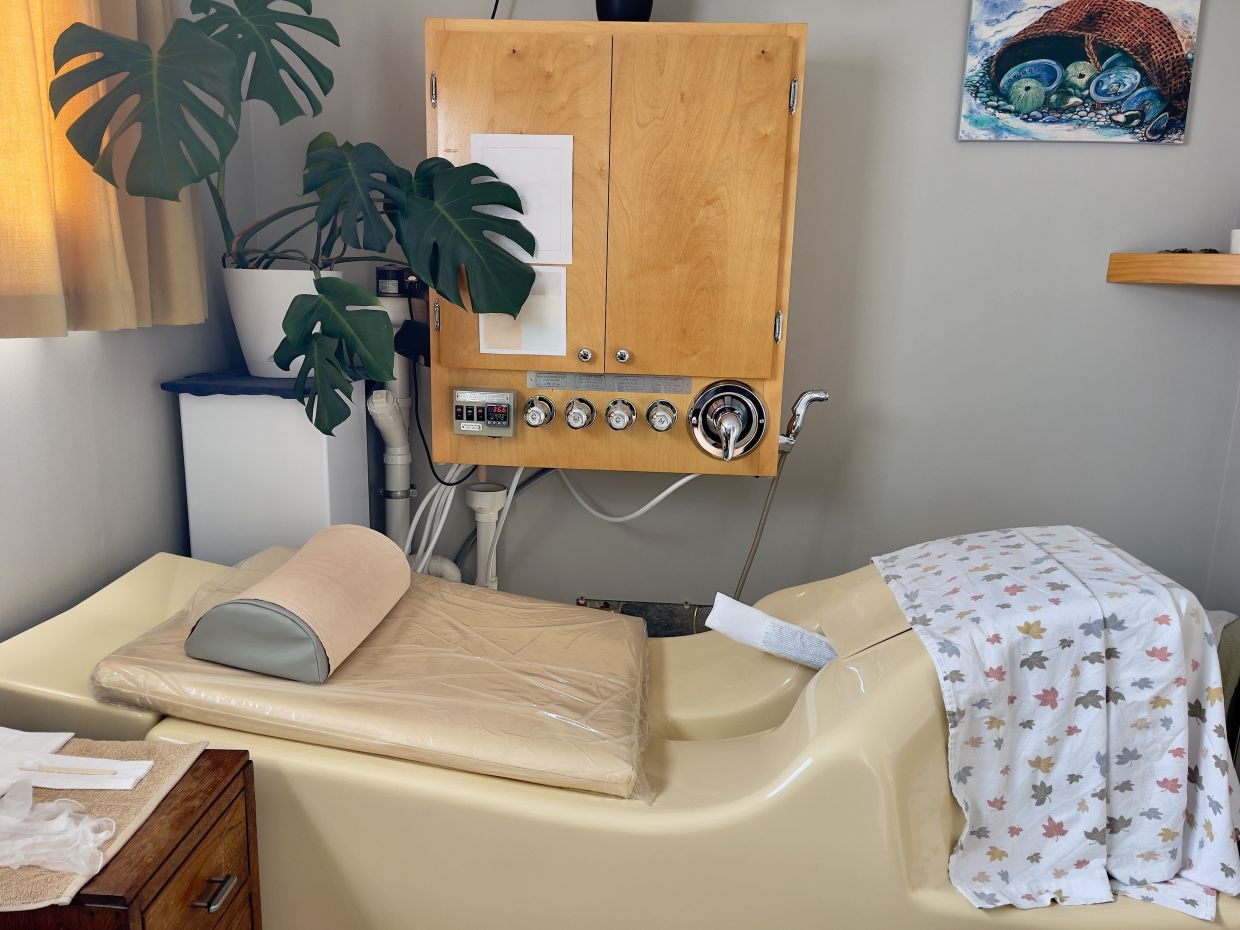
The intestinal cleansing procedure served as the psychological linchpin of the entire scheme. During these treatments, staff would add dark soy sauce—a ubiquitous Chinese cooking ingredient—to the cleansing liquid, deliberately creating the visual impression that the liquid had extracted dark, toxic matter from the patient's body. This theatrical deception proved remarkably effective at convincing vulnerable seniors that their bodies harboured genuine health threats requiring continued intervention and investment.
Demographic vulnerability appeared central to the scammers' targeting strategy. Police noted that operations specifically pursued affluent elderly individuals living alone or experiencing emotional isolation despite having adult children. This population segment—emotionally distant from family members yet possessing financial resources—represented ideal victims who possessed both disposable wealth and a psychological hunger for attention and care that criminal operators eagerly exploited.
The scale of the operation underscores how effectively the scheme functioned. Police reported that the health centres achieved combined annual turnover exceeding 30 million yuan, an extraordinarily high figure for facilities ostensibly offering standard wellness services. Individual cases demonstrated the depth of financial extraction: one victim surrendered more than 2 million yuan before authorities intervened. These sums far exceeded what legitimate healthcare facilities in comparable markets would generate, suggesting systematic, deliberate overcharging across the entire victim pool.
China's demographic context renders this scam particularly significant. Official statistics indicate the country now contains 323 million people aged 60 and above, representing approximately 23 percent of the total population. Among this elderly cohort, approximately 60 percent qualify as empty-nesters—individuals either without children or whose adult offspring reside in separate locations. This demographic reality creates substantial pools of isolated seniors with emotional needs, accumulated wealth, and limited social oversight, precisely matching the profile of victims these criminal networks actively hunted.
The fraud operation's success illustrates a critical enforcement gap in China's health and wellness sector. Online observers have highlighted how numerous predatory facilities continue operating across the country, luring seniors with free gifts and false medical authority while deploying identical manipulation tactics. Industry analysts emphasise that enhanced regulatory supervision remains urgently necessary to protect vulnerable elderly populations from similar schemes.
For Malaysian and broader Southeast Asian readers, this case carries cautionary significance. As regional populations age and more families experience dispersed household structures, similar vulnerabilities emerge in countries throughout the region. The scheme's psychological manipulation tactics—building false rapport, exploiting emotional isolation, manufacturing false medical authority—transcend cultural boundaries and could readily be adapted to local contexts. The case underscores how seniors' genuine needs for social connection and healthcare information create exploitation opportunities for sophisticated criminal networks operating across jurisdictions.

