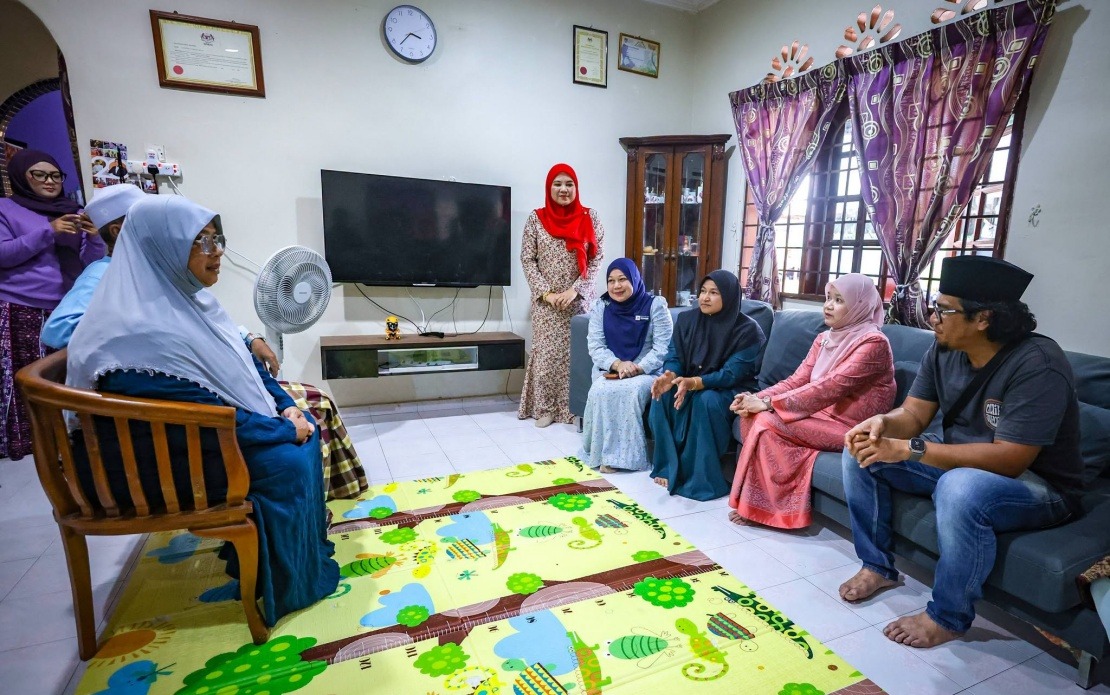
Education Minister Fadhlina Sidek travelled to Melaka on June 26 to personally convey the Ministry of Education's condolences to the family of Muhammad Raiyan Nufael, a Form Two student whose sudden death during a rugby training session has renewed questions about athlete safety in schools. The visit underscores the gravity of the incident and signals the government's recognition of the tragedy affecting the community in Telok Mas.
The 14-year-old student collapsed while participating in a rugby training session at approximately 6 pm on Wednesday at his school in the Telok Mas area. Medical reports indicate that the teenager had been engaged in the training for roughly 15 minutes when he began experiencing respiratory distress. The incident occurred during a break period, with the student becoming unwell while listening to instructions from the coaching staff, according to initial accounts of the incident.
In her Facebook statement, Minister Sidek offered prayers and spiritual support to the bereaved family. Her remarks reflected both official sympathy and religious sentiment, as she invoked blessings for the deceased student and sought divine strength for the parents navigating their loss. The public nature of her condolences through social media platforms demonstrates how government responses to student tragedies are increasingly communicated directly to the public rather than through traditional press channels alone.
The death has prompted wider reflection on the protocols governing school sports programmes in Malaysia, particularly regarding the supervision of intensive physical training sessions. Rugby, while less prevalent than football or badminton in Malaysian schools, has been gaining participation among secondary students. However, cases of sudden collapse during training raise critical concerns about medical preparedness, coaching qualifications, and the identification of pre-existing health conditions that could place students at risk.
The circumstances surrounding Muhammad Raiyan's collapse—occurring shortly after the commencement of training and developing into full respiratory compromise within a brief timeframe—suggest a medical emergency rather than simple fatigue or dehydration. The speed at which the situation deteriorated indicates that rapid medical response capabilities at the school site may have been crucial factors, though the outcome remained tragic.
School sports safety remains a contentious issue across Southeast Asia, where many institutions operate with limited medical facilities and staff training. Malaysia's Education Ministry oversees thousands of schools conducting various sporting activities daily, creating significant responsibility for ensuring that training environments prioritize student welfare. The incident at Telok Mas represents a stark reminder that even routine athletic programmes can present life-threatening risks when proper safeguards are absent.
Parental anxiety about school sports participation has increased in recent years, particularly following high-profile cases of student athletes experiencing sudden medical events. Parents often wrestle with the benefits of sports engagement for their children's physical development and character building against the perceived risks of intensive training. This tragedy will likely amplify calls from families seeking greater transparency about safety measures and emergency protocols at their children's schools.
The timing of the incident during a break period, when students might be expected to be in a lower physical stress state, adds another dimension to investigating what transpired. Understanding whether the collapse resulted from underlying cardiac issues, heat-related illness, infection, or another medical condition will be essential for determining whether preventive measures could have altered the outcome. Authorities will likely conduct thorough examinations to establish causation and identify systemic improvements.
Minister Sidek's visit represents the Ministry of Education's commitment to supporting affected families during crisis situations, though such gestures also place responsibility on the government to implement meaningful changes. Her presence in Melaka sends a signal that the Ministry is taking the matter seriously and will be expected to review and potentially strengthen regulations governing school sports programmes nationwide.
The incident carries implications for how Malaysian schools approach risk assessment in athletic programmes. Schools may now face pressure to implement enhanced medical screening for student athletes, ensure coaches receive proper first aid training, and establish clear protocols for emergency response. Some institutions may become more cautious about offering certain sports, while others might invest in improved on-site medical facilities and trained personnel.
As the education system processes this tragedy, the challenge lies in balancing the promotion of healthy, active lifestyles for young Malaysians with genuine safety improvements that protect vulnerable students. The death of Muhammad Raiyan Nufael represents a failure that demands systemic examination rather than sympathy alone, even as the community grieves the loss of a young life.

