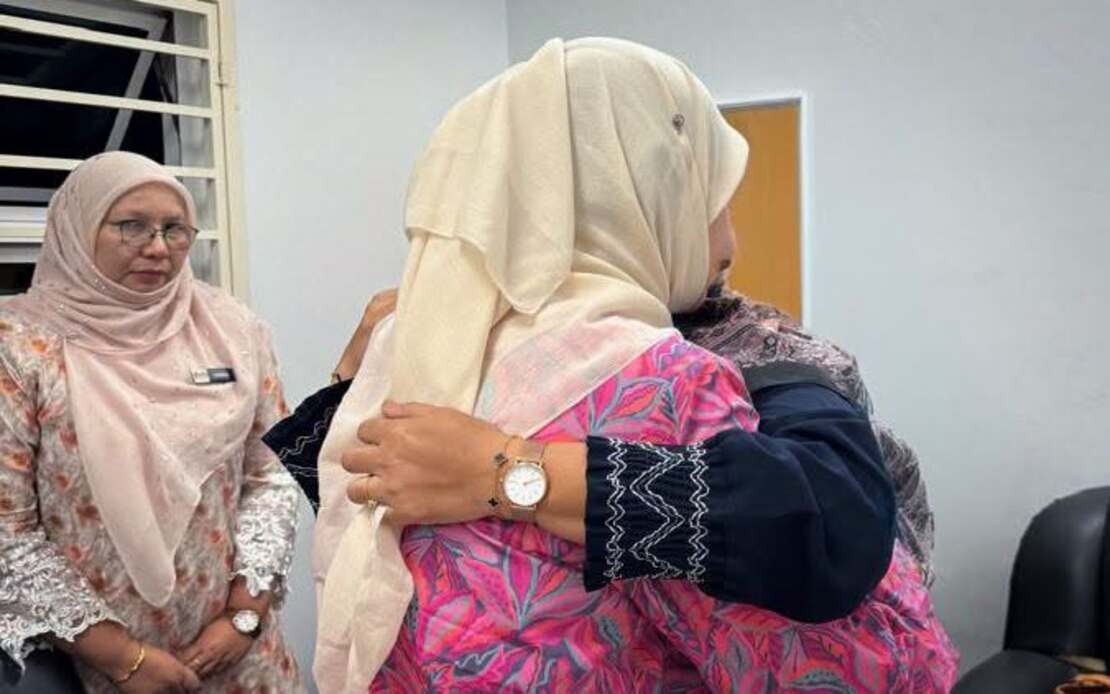
Education Minister Fadhlina Sidek has appealed to the public to respect the privacy and sensitivity of the family grieving the death of a 16-year-old female student at a school in Negeri Sembilan. The tragic incident, which occurred on June 19, prompted an immediate response from the ministry, with authorities pledging their full cooperation in the ongoing police investigation into the circumstances surrounding the student's passing.
Through a statement posted on social media, Fadhlina expressed her condolences to the bereaved family, invoking religious sentiments appropriate to the gravity of the situation. She emphasised that the ministry recognises the extraordinary difficulty facing those closest to the deceased and called upon the broader public to demonstrate compassion by maintaining respectful distance during this critical period. The appeal reflects growing concerns about media and public scrutiny that can intensify the trauma experienced by grieving families in high-profile cases involving minors.
In a demonstration of institutional support, Fadhlina visited the student's family alongside Education director-general Datuk Dr Mohd Azam Ahmad at Rembau Hospital. This gesture underscored the ministry's commitment to providing direct assistance and solidarity during the early stages of the tragedy. Such ministerial engagement, while symbolically important, also serves to coordinate the broader support infrastructure that schools and educational institutions can mobilise during crisis situations affecting students.
The police investigation represents the formal mechanism through which authorities will attempt to establish the facts surrounding the death. While details remain limited at this stage, the involvement of law enforcement indicates that the circumstances warrant official scrutiny. The education ministry's stated cooperation with investigators suggests that institutional records, witness accounts, and relevant school protocols will be made available to support the inquiry. This collaborative approach between educational and law enforcement authorities is standard procedure in cases involving students on school premises.
For Malaysian parents and educators, incidents of this nature raise broader questions about student welfare infrastructure and the support systems available within schools. The tragedy occurs within a national context where student mental health, physical safety, and pastoral care have become increasingly prominent concerns. Educational institutions across the country face mounting expectations to provide comprehensive wellbeing support, yet many struggle with adequate resources, trained personnel, and established protocols to identify and assist students in distress.
The minister's emphasis on providing "the best possible assistance" to affected parties suggests that the ministry intends to coordinate counselling services, academic support, and pastoral care for the student's peers and teachers who may experience secondary trauma. Schools in Negeri Sembilan and beyond will likely implement support mechanisms for the broader school community, recognising that such incidents can deeply affect student populations and staff members who may have known or interacted with the deceased.
The public appeal for privacy also reflects awareness of how social media and digital communication can amplify family distress during vulnerable periods. Misinformation, speculation, and intrusive inquiries that circulate online frequently add layers of suffering to already devastating circumstances. By explicitly requesting space and respect, the minister effectively sends a signal about expected community conduct, encouraging measured and compassionate responses rather than viral speculation or invasive reporting.
Negeri Sembilan, like other Malaysian states, maintains various support structures for educational institutions experiencing crises. The involvement of senior ministry officials suggests that resources from the state education department will be mobilised to assist the affected school in managing the immediate aftermath and longer-term implications of the incident. Staff debriefing sessions, student counselling programs, and liaison with parents typically follow such occurrences, requiring careful coordination and sensitivity.
The incident underscores persistent challenges within Malaysia's education system regarding student mental health awareness and intervention capabilities. While the specific circumstances of this death remain under investigation, the event inevitably prompts reflection on whether schools possess sufficient training, resources, and expertise to recognise warning signs and provide timely support to vulnerable students. Conversations about school-based mental health services, teacher training in pastoral care, and early intervention programs typically emerge following student tragedies, though translating awareness into systemic change remains an ongoing struggle.
Moving forward, the investigation will likely generate findings that could inform policy discussions or institutional practices within the education sector. Depending on the investigation's conclusions, the ministry may consider whether additional safeguarding measures, training programs, or support structures warrant implementation across schools nationally. However, the immediate priority, as Fadhlina has indicated, centres on supporting the grieving family and affected school community while allowing authorities to conduct their work without external interference or premature speculation about outcomes.
The loss of a young student represents a tragedy that extends beyond institutional frameworks and policy considerations. The family's grief, the student's peers' shock, and the school community's collective trauma form the human reality underlying official statements and bureaucratic processes. By appealing for privacy and restraint, Fadhlina has attempted to create space for genuine mourning and recovery, while the investigation proceeds to establish facts that may ultimately inform lessons for the broader education system.

