Barisan Nasional has finalised its 56-candidate slate for the Johor state election, signalling the coalition's readiness to mount a comprehensive campaign across the southern state. The announcement represents a significant political development as the ruling coalition prepares to defend its traditional stronghold, with the candidate list reflecting both established political figures and newer contenders seeking to strengthen BN's legislative presence in Johor.
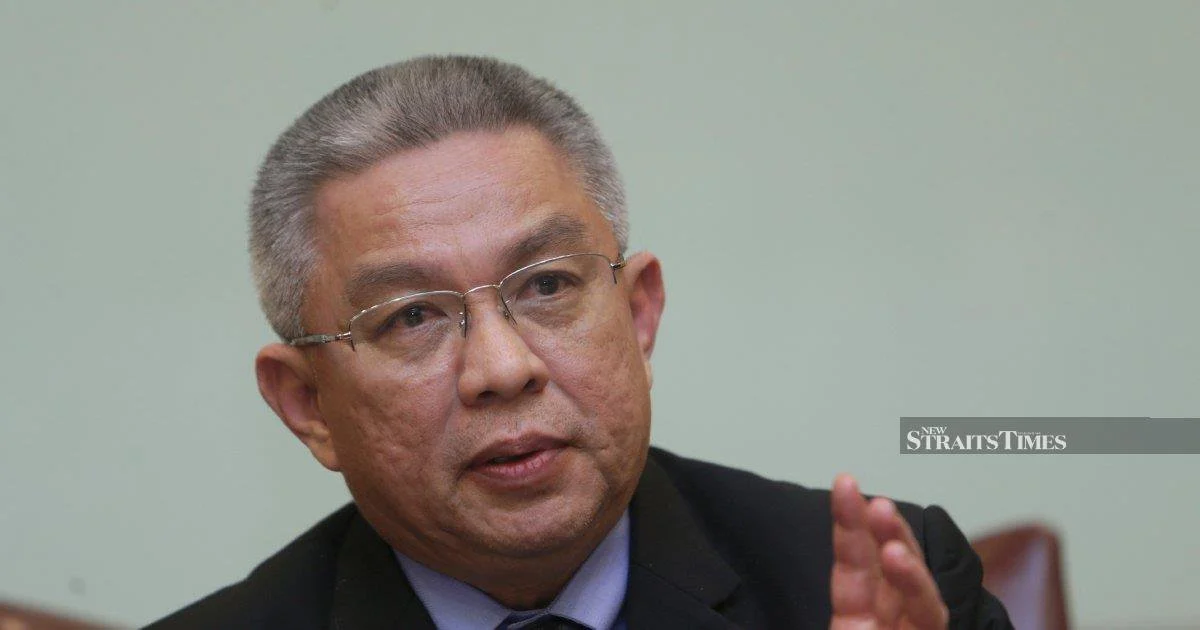
Among the most notable inclusions in the BN lineup is Datuk Seri Dr Adham Baba, whose previous tenure as federal health minister places him at the forefront of high-level political experience within the candidacy pool. His entry into the Johor state electoral contest signals an attempt by BN to leverage his national profile and administrative background in seeking to consolidate support across constituencies. The former minister's prominence within the slate underscores the coalition's strategy of deploying seasoned political operators in key battlegrounds.
Alwiyah Talib, who previously served as the Endau state assemblyman, constitutes another significant addition to the candidate roster. Her return to electoral competition represents continuity of political representation in constituencies where BN holds traditional advantages. Such nominations often indicate organisational confidence in candidates' capacity to retain or recover legislative seats, particularly in regions where demographic and voting patterns have historically favoured the coalition.
The nomination of 56 candidates across Johor's 56 state constituencies underscores BN's ambition to contest every available seat in a comprehensive electoral strategy. This approach differs from some opposition blocs which have occasionally left certain constituencies uncontested due to resource constraints or inter-coalition negotiations. By fielding a full slate, BN demonstrates financial capacity and organisational bandwidth to sustain campaign efforts throughout the state.
Johor's electoral significance extends beyond its regional importance to national political calculations. As a populous state with substantial economic output and a traditional BN stronghold, Johor's electoral performance carries implications for federal coalition stability and government composition. State-level victories in Johor provide both symbolic validation of the coalition's grassroots support and practical contribution to parliamentary strength at the national level.
The inclusion of candidates with prior ministerial or assemblyman experience reflects BN's preference for recycling established political figures, a practice that offers advantages in name recognition and institutional knowledge whilst potentially raising questions about fresh talent development. This pattern, observable across Malaysian coalition politics generally, influences voter perceptions of political renewal and generational transition within major parties.
BN's Johor campaign will operate within Malaysia's broader political landscape, where concerns about cost-of-living pressures, healthcare accessibility, and local development projects dominate voter attention. The coalition's success in these state polls will substantially depend on how effectively candidates address constituent concerns whilst capitalising on incumbent advantages in service delivery and resource allocation. Dr Adham Baba's health ministry background may prove particularly relevant in constituencies where healthcare infrastructure and accessibility remain pressing concerns.
The electoral context in Johor remains competitive despite the state's historical association with BN dominance. Demographic shifts, particularly among younger voters, have introduced volatility into previously predictable voting patterns. Opposition coalitions have demonstrated capacity to challenge BN in select constituencies, necessitating BN's comprehensive candidacy approach and reliance on experienced political operators to shore up support.
The nomination process itself reflects internal BN deliberations regarding candidate selection, resource allocation, and strategic prioritisation across constituencies. These decisions involve complex negotiations among BN component parties—UMNO, MCA, and MIC—regarding seat distribution and candidacy, with negotiations often reflecting both historical entitlements and contemporary performance assessments of potential candidates.
Looking forward, the 56-candidate slate will require sustained campaign momentum, effective ground organisation, and responsive engagement with voter priorities to translate nominations into electoral victories. The presence of high-profile figures like Dr Adham Baba and Alwiyah Talib should assist in generating media attention and mobilising party machinery, though local constituency-level factors will ultimately determine individual candidate performance.
For Malaysian observers and particularly those in Johor, the election outcome will provide valuable indication of coalition resilience and electoral preferences in one of the nation's most important states. The results may offer insights into whether traditional voting blocs remain secure, how effectively campaigns address contemporary policy concerns, and whether political experience and incumbent status continue to prevail over demands for change and generational renewal that have influenced elections elsewhere in Malaysia.

