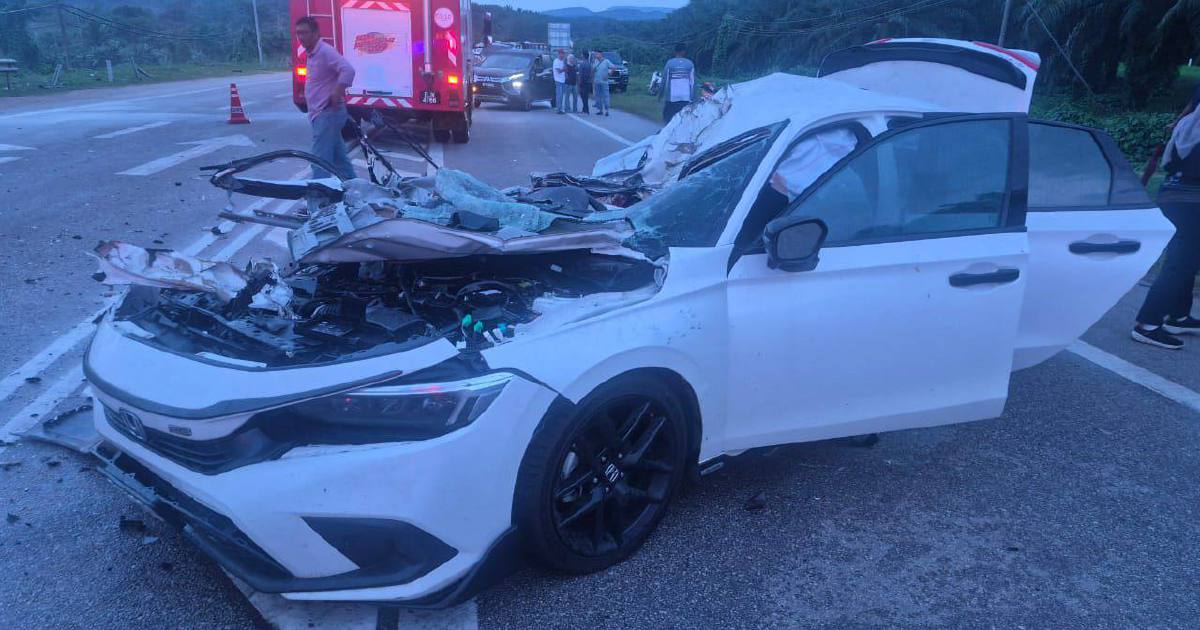
A devastating traffic collision in Pahang has claimed three lives, raising fresh concerns about highway safety in Malaysia's east coast region. Among those who perished in the crash were a medical doctor, a young toddler, and a senior official from the Inland Revenue Board, according to Pekan police investigations.
The fatal incident occurred on a major highway corridor passing through Pahang, one of the busiest transportation routes in the state. Emergency services responded to the scene, but the severity of the collision meant that medical intervention could not save those involved. The identities of the victims have been confirmed through official police records, with families notified of the tragic loss.
The death of a medical practitioner in such circumstances carries particular poignancy for Malaysia's healthcare sector, which continues to grapple with workforce pressures and the personal risks faced by doctors both on and off duty. The loss of a young child underscores the vulnerability of Malaysian families during road travel, a recurring tragedy that has prompted repeated calls for stricter enforcement of vehicle safety measures and speed regulations.
The involvement of an IRB senior officer in the crash brings attention to the broader issue of occupational hazards faced by Malaysian civil servants who spend considerable time commuting and travelling between office locations and field assignments. Such incidents remind policymakers that road safety transcends individual responsibility and requires systematic improvements to infrastructure and enforcement mechanisms.
Highway collisions remain among the leading causes of accidental deaths in Malaysia, with the east coast region experiencing particular vulnerability due to varying road conditions, weather patterns, and traffic volume fluctuations. Pahang's highway network, while crucial for economic connectivity and regional mobility, has witnessed multiple fatal accidents in recent years, prompting ongoing debates about speed limits, driver training standards, and emergency response protocols.
The Pekan police district, which is handling the investigation into this collision, has not yet disclosed full details regarding the circumstances that led to the impact. Initial inquiries typically examine factors such as vehicle mechanical condition, driver behaviour, visibility conditions, and possible involvement of third parties. Understanding these contributing elements remains essential for preventing similar tragedies on Malaysian roads.
For regional readers, this incident resonates within the broader Southeast Asian context of road safety challenges. Malaysia's fatality rate from traffic accidents, though improving through recent government initiatives, continues to rank as a concern among middle-income countries in the region. Cross-border commercial traffic through Pahang and ongoing development of highway infrastructure mean that safety standards here influence the region's overall transportation ecosystem.
The crash also highlights the intersection between personal tragedy and public health imperatives. Malaysia's Vision Zero initiative, aimed at reducing fatal road accidents, relies on comprehensive data from incidents like this one to refine enforcement strategies and infrastructure improvements. Each collision provides crucial information for traffic engineers, law enforcement, and vehicle safety advocates working to enhance the protective features of Malaysian highways.
Family members and colleagues of the deceased face the immediate trauma of sudden loss, while the broader professional communities affected by these deaths—healthcare, public administration, and the general travelling public—must confront the persistent vulnerability that daily commuting represents in Malaysia. The incident serves as a stark reminder that road safety remains not merely a technical challenge but a fundamental public health and social justice issue affecting Malaysian families and livelihoods.
Investigations by Pekan police will continue to determine whether mechanical failure, human error, environmental factors, or some combination thereof contributed to the collision. The findings may inform recommendations to highway authorities regarding maintenance, signage, speed management, and emergency response capabilities along this critical transportation corridor.
As Malaysian society processes this tragedy, the incident reinforces long-standing advocacy for more stringent enforcement of traffic regulations, mandatory driver education programmes, and investment in modern safety infrastructure. The loss of a young child particularly underscores why many road safety advocates argue that Malaysia must treat highway fatalities with the urgency typically reserved for public health crises, requiring coordinated action across multiple government agencies and sustained commitment to systemic improvements rather than temporary awareness campaigns.

