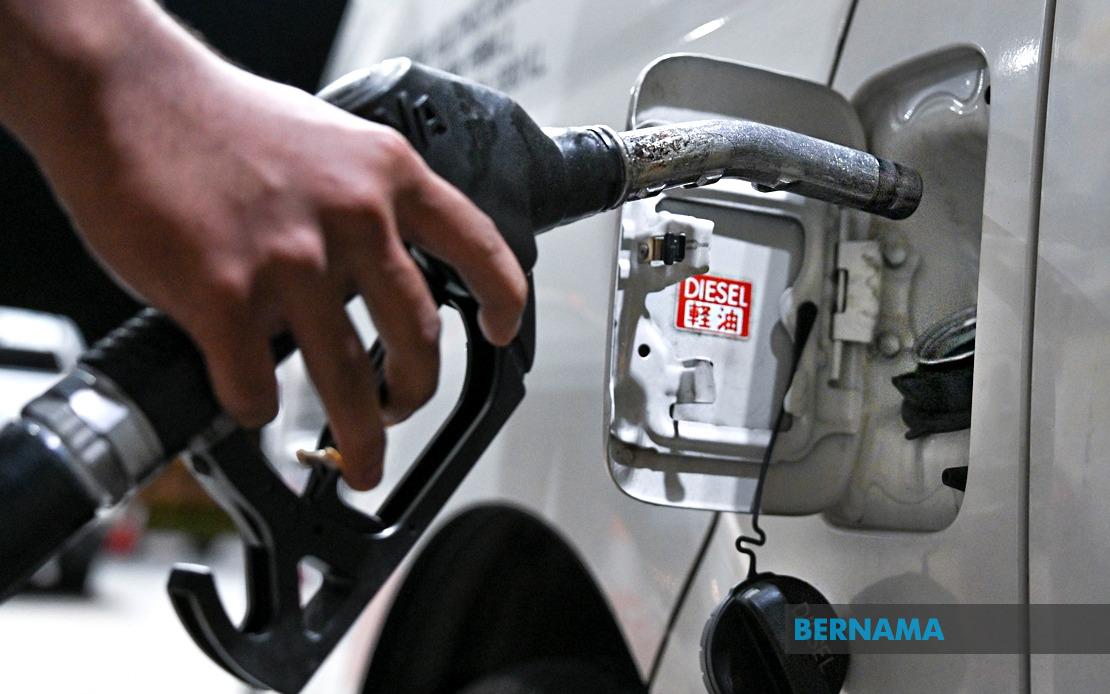
Malaysia will reduce its subsidised diesel price to RM2.10 per litre starting July, marking a tangible outcome of the MADANI Government's economic restructuring programme, according to Minister in the Prime Minister's Department (Sabah and Sarawak) Datuk Mustapha Sakmud. The announcement underscores efforts to translate fiscal consolidation measures into household relief during a period when cost-of-living pressures remain acute for ordinary Malaysians. The price cut applies within the framework of targeted subsidy distribution, narrowing the gap between the current subsidised rate of RM2.15 per litre in Sabah and Sarawak and the unsubsidised price of RM4.37 per litre in Peninsular Malaysia.
Central to this pricing adjustment is the rollout of the BUDI MADANI RON95 (BUDI95) programme, which leverages MyKad verification to channel fuel subsidies exclusively to eligible citizens. By tethering diesel discounts to identity authentication, the government aims to eliminate what Mustapha characterised as chronic inefficiencies plaguing the subsidy regime. Historically, Malaysia's generalised fuel subsidies have bled billions through cross-border smuggling and arbitrary consumption patterns, creating a system where subsidy benefits accrue indiscriminately rather than reaching intended beneficiaries. The MyKad gate-keeping approach represents a departure from that model, introducing administrative rigour into what has traditionally been a leakage-prone expenditure category.
The timing of the diesel reduction coincides with elevated global energy market volatility. Mustapha highlighted geopolitical headwinds, particularly the ongoing West Asia conflict, which has intensified pressure on oil-exporting nations and created supply-side uncertainties that ripple through international energy pricing. Malaysia, as both a regional energy player and net importer in certain fuel categories, faces a delicate balancing act: maintaining subsidised fuel prices to cushion domestic consumers whilst securing stable energy supplies in an unpredictable environment. The government's stated strategy involves deepening energy partnerships with major producers including Russia and Turkmenistan, positioning such diplomatic ties as essential infrastructure for long-term supply assurance and price stability.
For Malaysian businesses dependent on diesel—particularly those in transport, construction, and agriculture—the RM0.05 per litre reduction may appear modest. However, aggregated across industrial consumption and commercial fleets operating nationwide, the decrease translates into measurable operational cost relief. Small operators relying on fuel-intensive services stand to benefit more visibly than large corporations capable of absorbing volatility through hedging mechanisms. In Sabah and Sarawak specifically, where the subsidised rate already prevails, the price cut further widens the subsidy cushion protecting rural and remote economies where transportation costs significantly influence overall business viability.
The MADANI Government's broader economic narrative frames subsidy reform as essential to fiscal sustainability. Prime Minister Datuk Seri Anwar Ibrahim has consistently argued that untargeted fuel subsidies distort budget allocations and crowd out productive spending on education, healthcare, and infrastructure. By restricting diesel discounts to verified Malaysian citizens, the government simultaneously reduces its fiscal exposure and improves the equity of distribution. This dual objective—fiscal discipline paired with targeted welfare—appeals to international creditors and rating agencies scrutinising Malaysia's debt trajectory, whilst maintaining political support from cost-conscious households.
However, the implementation of MyKad-gated subsidies introduces practical complications that warrant scrutiny. Petrol station operators must integrate identity verification into point-of-sale systems, creating operational friction and potential bottlenecks during peak trading hours. Foreign workers lawfully employed in Malaysia may experience exclusion if verification protocols operate inflexibly, potentially driving informal fuel transactions. Additionally, the psychological cost of moving from universal, automatic subsidies to means-tested access may generate political backlash, particularly among voters who perceive the change as regressive despite its redistributive intent. Monitoring actual subsidy leakage reduction will be crucial to validating government claims of programme effectiveness.
Regionally, Malaysia's approach sits within a broader Southeast Asian pattern of subsidy rationalisation. Countries including Indonesia and Thailand have experimented with targeted fuel support mechanisms, encountering similar implementation challenges. Malaysia's experience with the BUDI95 and diesel targeting frameworks contributes to regional knowledge-sharing on how middle-income economies can balance social welfare with fiscal constraint. Should the MyKad verification system prove operationally robust and genuinely reduce leakages, the model could inform policy discussions across the region.
The diesel price reduction also reflects confidence that economic growth and global energy market developments will prevent the subsidy bill from expanding further. If crude oil prices moderate or regional supply chains stabilise, the government's capacity to maintain subsidised rates whilst reducing nominal expenditure improves substantially. Conversely, if geopolitical tensions escalate or production disruptions occur, the RM2.10 target may become unsustainable, forcing either further price adjustments or subsidy withdrawals. The government's energy diplomacy with Russian and Turkmen counterparts therefore carries direct relevance to fuel pricing stability in Malaysia.
Looking ahead, the success of the diesel pricing announcement depends on three interconnected factors: macroeconomic conditions, programme implementation fidelity, and political will to maintain discipline when subsidy pressures mount. If inflation moderates and energy markets stabilise, the MADANI Government can sustain the narrative of cost-of-living relief through reformed subsidies. If external shocks intervene or implementation falters, public confidence in targeted subsidy mechanisms may erode, complicating future fiscal consolidation efforts. For Malaysian citizens and businesses, the RM2.10 diesel price represents not merely a temporary saving but a signal of the government's commitment to balancing equity with sustainability.

