%22%2F%3E%3C%2Fpattern%3E%3C%2Fdefs%3E%3Crect%20width%3D%22100%25%22%20height%3D%22100%25%22%20fill%3D%22url(%23ph3odnog)%22%2F%3E%3Crect%20width%3D%22100%25%22%20height%3D%22100%25%22%20fill%3D%22url(%23ph3odnop)%22%2F%3E%3Ctext%20x%3D%2250%25%22%20y%3D%2250%25%22%20text-anchor%3D%22middle%22%20dominant-baseline%3D%22central%22%20fill%3D%22rgba(255%2C255%2C255%2C0.95)%22%20font-family%3D%22Georgia%2C%20'Times%20New%20Roman'%2C%20serif%22%20font-weight%3D%22700%22%20font-size%3D%22170%22%20letter-spacing%3D%22-0.02em%22%3EDialogue%3C%2Ftext%3E%3C%2Fsvg%3E)
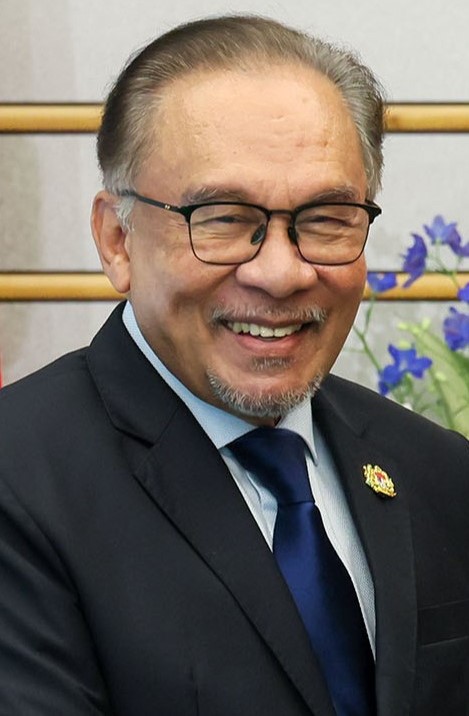
Prime Minister Datuk Seri Anwar Ibrahim has emphasized that in an increasingly complex and uncertain international environment, dedicated platforms for diplomatic engagement serve as indispensable mechanisms for bridging divides and fostering genuine understanding between nations. Speaking after a gala dinner hosted by President Vladimir Putin at the ASEAN-Russia Commemorative Summit in Kazan, Anwar highlighted how such structured interactions transcend ceremonial value and represent substantive opportunities for leaders to address shared concerns and explore pathways toward cooperation that benefit all participating parties.
The Prime Minister's remarks underscore a philosophy of engagement that has characterized Malaysia's diplomatic approach during its tenure within regional and international forums. By positioning the ASEAN-Russia summit as more than a gathering of dignitaries, Anwar framed these occasions as genuine dialogue platforms where the intricate business of international relations—building confidence, clarifying intentions, and identifying common ground—can take place away from the pressures and constraints of formal negotiating chambers. This perspective reflects a recognition that bilateral and multilateral trust cannot be assumed or imposed but must be cultivated through repeated, meaningful interaction among decision-makers.
Kazan, the capital and largest city of Tatarstan, provided the setting for the two-day summit running from June 17 to 18, bringing together leaders from across Southeast Asia and the Russian Federation. The choice of venue itself carries symbolic weight, representing Russia's diverse geography and cultural heritage. Anwar's presence in Kazan underscores Malaysia's commitment to maintaining robust channels of communication with Moscow despite the complex geopolitical landscape that has characterized recent years, particularly following Russia's invasion of Ukraine and the various international responses that have divided the global community.
During his remarks, the Prime Minister drew attention to how such summits serve multiple functions simultaneously. Beyond the immediate diplomatic purpose of discussing specific bilateral or multilateral issues, these gatherings provide platforms for cultural exchange and mutual appreciation. Anwar noted that the event showcased Russia's rich cultural traditions, historical significance, and national heritage, elements that help humanize international relations and remind participating leaders of the deeper connections and shared human values that can transcend political differences and strategic competition. This cultural dimension of diplomacy often receives insufficient attention in contemporary discourse, which tends to focus narrowly on transactional or strategic aspects of international engagement.
The emphasis on building trust emerged as a central theme in the Prime Minister's assessment of the summit's value. In a world characterized by rising geopolitical tensions, competing strategic narratives, and increasing polarization, mechanisms that enable open and honest dialogue between major powers and regional organizations have become more critical than ever. For ASEAN, which has long positioned itself as a neutral, non-aligned grouping capable of maintaining productive relationships across the international divide, engagement with Russia through formats such as this commemorative summit allows the association to affirm its cherished principles of inclusivity and dialogue-driven problem-solving.
Anwar, who holds the additional portfolio of Finance Minister, was explicit about the potential for tangible cooperation outcomes emerging from such engagements. The summit, he suggested, creates space for identifying specific areas where ASEAN member states and Russia can collaborate to mutual advantage, whether in trade, investment, cultural exchange, technological cooperation, or other domains. These practical dimensions of engagement ensure that summits and dialogue platforms translate into concrete benefits for participating nations and their citizens, thereby justifying the resources invested in maintaining these diplomatic channels.
For Malaysia specifically, and for Southeast Asia more broadly, the willingness to engage directly with Russia through mechanisms like the ASEAN-Russia Commemorative Summit reflects a strategic calculation about the region's interests and positioning in an increasingly multipolar world. Rather than choosing sides in great power competition, ASEAN countries have generally sought to maintain balanced relationships that allow them to benefit from engagement with multiple partners while preserving their autonomy and pursuing their own development priorities. The summit provided an occasion for Anwar to reinforce this balancing approach at the highest levels.
The gala dinner itself, as a formal occasion bringing together leaders in a social setting, serves practical diplomatic purposes beyond the ceremonial. Such events allow for informal conversations, side meetings, and the kind of personal rapport-building that can sometimes prove more productive than formal negotiations. Anwar's description of the occasion as providing an opportunity to foster closer ties and exchange views with fellow leaders acknowledges this reality, suggesting that the unstructured interactions possible at such events may generate insights and understandings that more formal proceedings might not achieve.
Looking forward, Anwar's remarks suggest Malaysia's continued commitment to engagement diplomacy as a tool for managing international relations in an era of uncertainty and competing interests. This approach contrasts with more confrontational diplomatic strategies and reflects a conviction that dialogue, cultural understanding, and the search for mutual benefit remain viable foundations for international relations even amid significant structural tensions. For readers across Southeast Asia, the message implicit in the Prime Minister's comments is that Malaysia and its regional partners will continue to prioritize dialogue platforms and engagement mechanisms as essential instruments for protecting regional stability and advancing shared prosperity, regardless of international polarization.