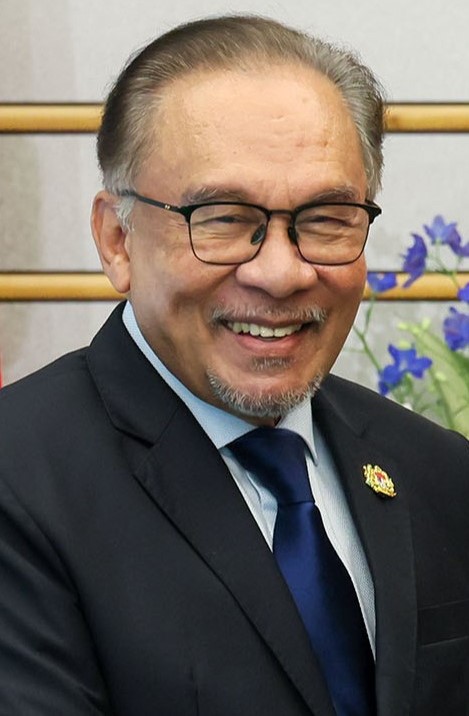
Prime Minister Datuk Seri Anwar Ibrahim has issued a sharp warning that developing nations across the Global South may turn to alternative international partners if European countries persist in what he characterizes as unfair treatment. The Malaysian premier's remarks carry particular weight as they reflect growing frustration among developing economies over perceived double standards in their dealings with wealthy industrialized nations, a sentiment increasingly echoed in Asian and African policy circles.
Anwar's cautionary statement emerged during discussions about a defence-related disagreement involving Norway, which has exposed underlying tensions between European nations and developing countries over reciprocal treatment and mutual respect. The Prime Minister's comments suggest Malaysia views this episode as emblematic of broader patterns in how developed European economies engage with their counterparts in the developing world, rather than as an isolated incident requiring diplomatic resolution.
The timing of Anwar's remarks is significant given Malaysia's active role in regional diplomacy and its position as a voice for developing nation concerns within multilateral forums. His intervention indicates that issues of equitable treatment in international relations have moved beyond bilateral disputes to become a central concern for policymakers across Asia, who are increasingly willing to publicly challenge what they perceive as European exceptionalism in international affairs.
For Malaysia specifically, such pronouncements underscore the government's emphasis on defending national sovereignty and protecting domestic interests against external pressure. The country has long navigated complex relationships with European trading partners while simultaneously building strategic ties with China, India, and other major powers. Anwar's warning suggests that patience with European demands—whether on defence matters, human rights, or environmental standards—has limits, and that developing nations retain agency in choosing their international partnerships.
The reference to Norway's conduct indicates that even smaller European nations face scrutiny from Kuala Lumpur and other developing-country capitals. Norway, despite its progressive international reputation, clearly engaged in conduct that Malaysia's leadership deems inappropriate, highlighting how developed nations often assume privileges in international relations that they would never tolerate from others. This asymmetry has become increasingly unacceptable to a new generation of Asian leaders determined to assert their countries' rightful place in global affairs.
Anwar's implicit threat to seek alternatives represents a recalibration of Malaysia's diplomatic posture. Rather than accepting European frameworks as defaults for international cooperation, the Prime Minister signals openness to arrangements with other rising powers and developing nations that might offer more equitable terms. Such positioning reflects the broader multipolar reality where Europe no longer monopolizes access to critical technologies, defence partnerships, or economic opportunities.
The Malaysian leader's comments will likely resonate throughout the developing world, particularly in Southeast Asia where nations including Indonesia, Thailand, and Vietnam face similar pressures from Western powers. By voicing these concerns publicly, Anwar provides diplomatic cover for other leaders contemplating tougher stances toward European demands. This creates space for a coordinated push-back against what developing nations increasingly view as neo-colonial attitudes embedded within European diplomacy.
From a regional security perspective, Anwar's statement carries implications for defence cooperation frameworks in Southeast Asia. If European nations are perceived as unreliable partners or impose onerous conditions on defence relationships, ASEAN countries may accelerate their turn toward regional solutions and partnerships with China and India. This shift would fundamentally reshape Asia's security architecture and diminish European influence in one of the world's most strategically important regions.
Economically, the warning also signals that Malaysia and other developing nations are prepared to prioritize trade relationships and investment partnerships that come without excessive political or ideological strings attached. While Europe remains an important trading partner for many Asian economies, the days when European standards and preferences automatically set the global baseline appear to be ending. Developing nations increasingly possess the leverage to demand reciprocal respect and mutually beneficial arrangements rather than accepting diktat from Brussels or other European capitals.
The broader context involves a generational shift in how developing nations view their place in international affairs. Leaders like Anwar represent a cohort that refuses to apologize for defending national interests or questioning the premises of Western-led global governance structures. This assertiveness extends beyond Malaysia to encompass much of the Global South, where leaders increasingly frame international relations not as acceptance of existing hierarchies but as negotiation between equal sovereigns.
Anwar's emphasis on alternatives reflects the concrete expansion of options available to developing nations. China's Belt and Road Initiative, BRICS expansion, and the emergence of new multilateral institutions provide genuine alternatives to Euro-Atlantic frameworks. When developing nations can credibly threaten to shift partnerships, European leverage automatically diminishes, requiring a recalibration of how Western capitals approach these relationships.
The dispute with Norway, while specific to defence matters, has become a symbol of broader frustrations. Malaysian officials evidently view the episode as revealing an unwillingness among European nations to extend the same courtesies they demand for themselves. Such asymmetries have accumulated over decades and now threaten to undermine the liberal international order that Europe helped construct but increasingly struggles to maintain without the automatic deference it once commanded.
Moving forward, Anwar's warning suggests Malaysia will pursue a more selective engagement with European partners, one based on explicit mutual benefit rather than deference to European preferences. This repositioning aligns Malaysia with broader trends across Asia, where governments are asserting greater independence in foreign policy and demanding that international relationships serve national development priorities rather than advance external agendas. The message to Europe is clear: developing nations no longer have unlimited patience for what they perceive as unfair treatment, and alternatives now exist for those willing to seek them.