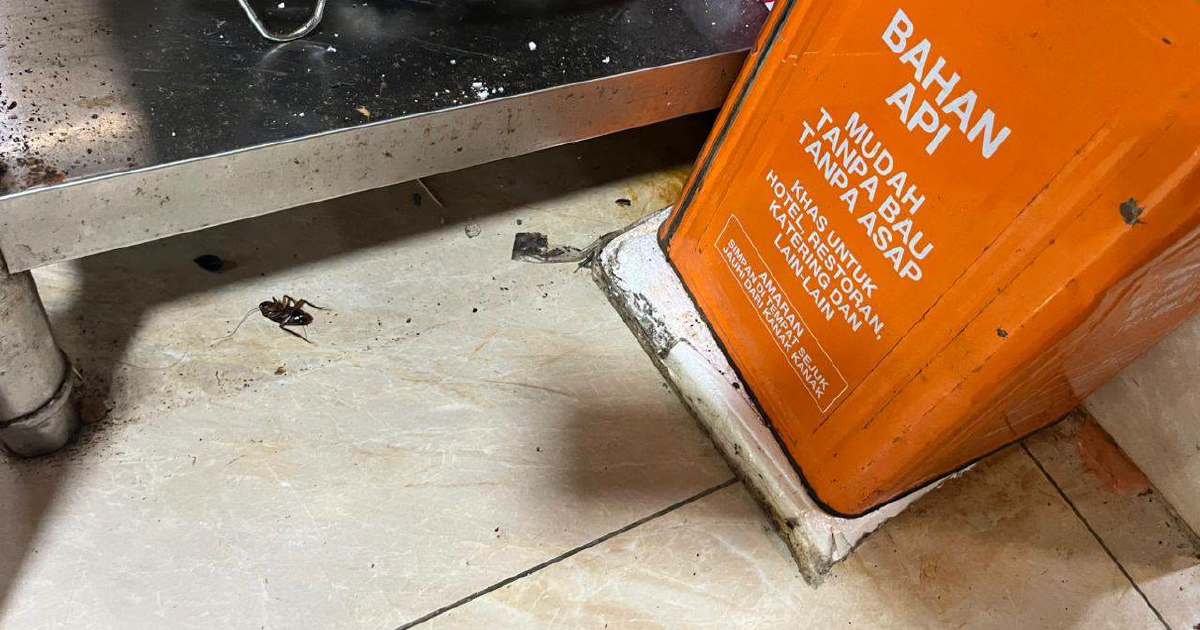
Kuala Lumpur City Hall (DBKL) has intensified its food safety oversight with a sweeping enforcement operation along Jalan Alor in Bukit Bintang, targeting persistent pest control failures and sanitary breaches that threaten public health. The special inspection drive resulted in the issuance of 74 notices and compounds, with six food establishments receiving orders to cease operations immediately pending rectification of critical deficiencies.
The operation underscores mounting regulatory pressure on one of Kuala Lumpur's most iconic dining destinations, where the convergence of numerous hawker stalls, casual restaurants, and food courts creates inherent challenges in maintaining uniform hygiene standards. Jalan Alor's status as a tourist hotspot and local favourite has long made it a focal point for health authorities, balancing the need to preserve the district's informal eating culture with stringent public health requirements.
The presence of cockroaches and rats—two of the most commonly cited violations in the enforcement sweep—represents a fundamental failure in pest management protocols. These infestations pose direct transmission risks for foodborne pathogens including salmonella, E. coli, and other disease agents capable of triggering severe gastrointestinal illness. The discovery of such widespread pest problems across multiple premises suggests systemic gaps in pest control implementation, whether through insufficient preventive measures, inadequate waste management, or lapses in professional pest control contractor engagement.
For Malaysian consumers, particularly in urban centres where dining out constitutes a significant portion of food consumption, such enforcement actions serve as crucial quality assurance mechanisms. The visible regulatory response demonstrates that authorities are monitoring food safety compliance, though the sheer number of violations—74 notices across a single operation—hints at the scale of the challenge facing regulators in maintaining standards across Kuala Lumpur's dense food service sector.
The temporary closure of six outlets represents a more severe sanction than mere fines, suggesting violations that posed imminent health risks warranting immediate intervention. Such closures typically require premises to demonstrate comprehensive remediation, including professional pest eradication, deep cleaning, infrastructure repairs, and implementation of documented food safety systems, before reopening can be authorized. The financial impact on affected businesses extends beyond closure periods to encompass remediation costs and lost revenue during enforcement proceedings.
DBKL's operations reflect broader regional trends toward stricter food safety enforcement, mirroring actions taken by health departments across Southeast Asia responding to rising consumer awareness and media scrutiny of food hygiene standards. The Malaysian public's increasing engagement with food safety issues, amplified through social media and news coverage, creates political incentives for authorities to demonstrate visible enforcement activity. Yesterday's operation appears calibrated to generate such visibility while addressing legitimate public health concerns.
The concentration of violations along a single street also raises questions about whether premises in the Jalan Alor area face particular challenges in achieving compliance, perhaps due to spatial constraints, age of infrastructure, or operational pressures inherent to high-volume food service environments. Understanding these underlying factors would be essential for crafting targeted support measures that balance business viability with health protection, rather than relying solely on punitive enforcement.
For the broader Kuala Lumpur food service industry, yesterday's operation serves as a pointed reminder of enforcement capacity and regulatory expectations. Many premises across the city, particularly smaller operators and older establishments, operate in similar conditions to those cited along Jalan Alor and may face similar risks of regulatory action. The compounds and notices issued represent not only financial penalties but also formal documentation of violations that can accumulate in regulatory records and affect future licensing decisions.
The 74 notices reflect a tiered enforcement approach, with most premises receiving corrective action orders rather than immediate closure. This methodology allows DBKL to address widespread compliance gaps while permitting most businesses to continue operating under conditions of mandatory improvement. However, the six closures indicate that enforcement officers identified violations deemed too serious to tolerate even temporarily, whether involving structural deficiencies, active pest populations, or documented evidence of contamination.
Moving forward, the affected premises must navigate a compliance pathway that typically involves verification of pest control measures, documentary evidence of corrective actions, facility inspections, and approval from regulatory officers before resumption of food preparation activities. The timeline for such processes varies but can extend several weeks, creating substantial operational and financial disruption. Repeat violations at the same premises could result in escalating sanctions, including extended closures or revocation of food operation licenses.
For consumers and industry observers, the enforcement operation highlights the ongoing tension between Kuala Lumpur's informal, high-volume dining culture and formal regulatory requirements designed for industrial-scale food production. Jalan Alor's continued viability as a dining destination depends on premises achieving and maintaining standards that protect public health while preserving the authentic character that draws millions of visitors annually. The success of yesterday's enforcement action will ultimately be measured not by the number of notices issued, but by whether targeted premises implement sustainable improvements that prevent future violations.

