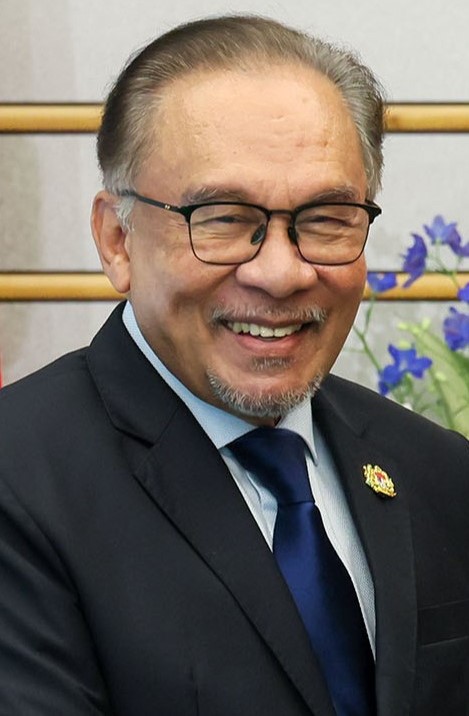
The Johor chapter of DAP has thrown down a challenge to unnamed adversaries, with party chairman Teo Nie Ching levelling accusations that fabricated campaign materials are being deliberately circulated to sap public confidence in Pakatan Harapan's electoral prospects across the southern state. The allegation, made in Kuala Lumpur, suggests a sophisticated misinformation strategy targeting the opposition coalition ahead of what promises to be a consequential contest for political control in one of Malaysia's most strategically important constituencies.
Teo's assertion touches on a recurring concern in Malaysian politics: the weaponisation of visual propaganda and the difficulty voters face in authenticating candidate materials in an era when digital manipulation tools are readily available. The circulation of unauthorised posters purporting to represent prospective candidates—whether genuine party selections or entirely fabricated—represents a form of electoral interference that operates below the radar of formal campaign regulations. Such tactics exploit public uncertainty about official candidate selections and can create confusion that benefits neither voters nor legitimate political contestants.
Packatan Harapan's coalition strategy in Johor carries particular significance given the state's historical role as a BN stronghold and its substantial parliamentary representation. The state has undergone notable political shifts in recent years, with internal tensions within both established and emerging coalitions reshaping electoral calculations. Any erosion of voter confidence through disinformation about candidate credentials or authenticity could materially affect turnout and vote distribution across contested constituencies, particularly in marginal seats where results hinge on narrow margins.
The DAP-led accusation implies an orchestrated campaign rather than isolated incidents of deception. Understanding who might benefit from undermining PH's message requires examining the competitive landscape in Johor, where multiple political forces harbour distinct ambitions. The deliberate dissemination of misleading materials about candidates suggests someone with organisational capacity and motivation to destabilise the opposition coalition's narrative. Such operations typically rely on distributed networks of supporters willing to amplify false content through informal channels before mainstream media outlets can fact-check claims.
The timing of Teo's public allegation is strategically significant. By drawing media attention to the manipulation tactics, the DAP chairman creates space for PH to frame itself as a victim of unfair play whilst simultaneously warning voters to verify candidate information through official party channels. This defensive posture also serves as a broader indictment of the opposition's opponents, suggesting they lack confidence in competing on genuine policy grounds and must instead resort to deceptive practices.
Malaysian voters increasingly recognise that campaign materials merit scrutiny, particularly those circulating through social media and messaging platforms where verification remains challenging. The proliferation of such incidents has gradually eroded public trust in spontaneous political content, making official confirmation through party websites and direct communication channels essential. Teo's accusation invites voters in Johor to distinguish between authorised campaign materials and potentially misleading forgeries, establishing PH as the source of truth in a contested information environment.
The broader implications for Southeast Asian democracy are worth considering. Election-related misinformation and manipulation campaigns have become endemic across the region, from Thailand to the Philippines to Indonesia. Malaysia's experience with doctored campaign materials and false candidate representations reflects global trends where technological sophistication has outpaced institutional safeguards. Electoral commissions and political authorities face mounting pressure to develop rapid-response fact-checking capabilities and to establish protocols for verifying candidate authenticity that voters can readily access.
For Johor voters specifically, the allegation underscores why independent verification of candidate credentials matters intensely. Official announcements from PH leadership about who the coalition intends to field in specific constituencies should be cross-referenced against materials circulating in neighbourhoods and digital spaces. Political parties themselves must invest in transparent communication about their selection processes and candidate confirmations, reducing space for opportunistic forgeries designed to confuse constituents about party platforms and personnel.
The incident also reflects deeper anxieties about electoral integrity in Malaysian politics. Whilst outright vote fraud dominates concerns, information-based interference—through disinformation campaigns, doctored materials, and false candidate representations—represents an underappreciated vulnerability. These tactics operate in legal grey zones where prosecution becomes complicated, yet their cumulative effect can distort political competition in meaningful ways. Teo's allegation thus serves as a reminder that defending democratic processes requires vigilance not only over formal voting procedures but equally over the information environments in which campaigns unfold.
Moving forward, Johor's electoral process will likely involve continuing tensions over campaign authenticity and material verification. Political parties across the spectrum must establish clear protocols for candidates to confirm their participation and authorise official materials bearing their names and likenesses. Voters, meanwhile, should approach unsolicited campaign content with appropriate scepticism and cross-check claims through official sources. The DAP chairman's accusation, whether substantiated by subsequent investigation or not, highlights how vulnerable democratic campaigns remain to manipulation in Malaysia's complex political landscape.