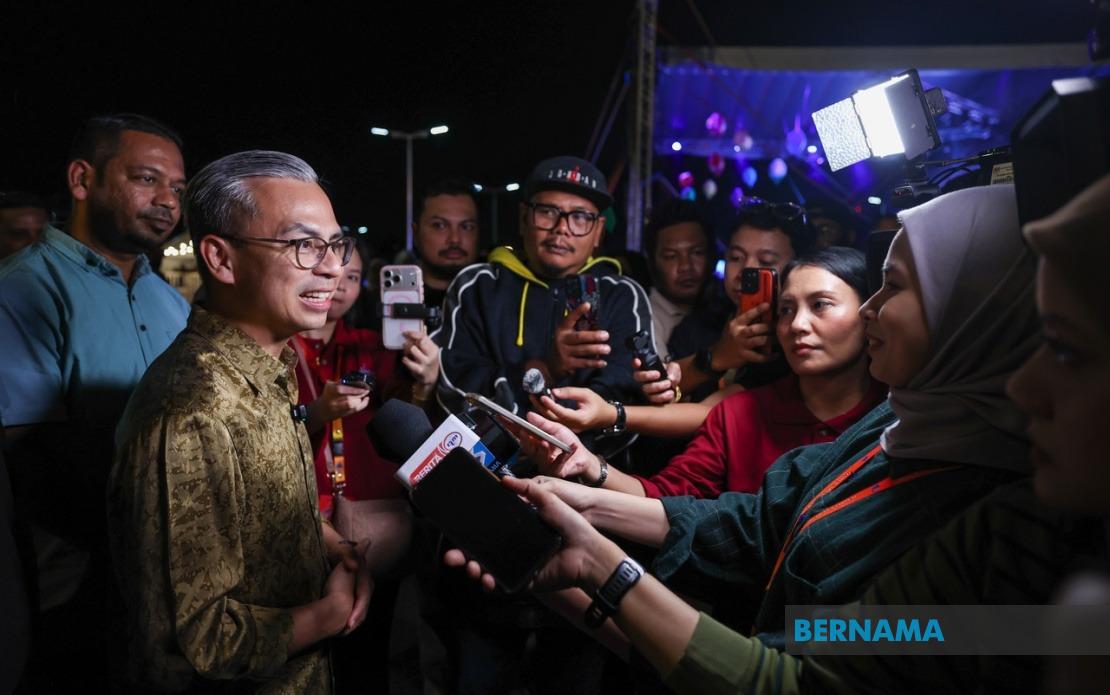
Communications Minister Datuk Fahmi Fadzil has thrown his weight behind the Riuh Pi HAWANA carnival, declaring himself satisfied with how the initiative has resonated with the public and celebrating its role as a launchpad for Malaysian creative talent. Speaking at the event held at the PICCA Convention Centre @ Butterworth Arena here, Fahmi highlighted that the carnival represents more than a simple entertainment offering—it functions as a meaningful platform where seasoned performers and emerging artists alike can connect directly with audiences while simultaneously providing exposure for homegrown entrepreneurs.
The carnival, which operates in partnership with National Journalists' Day (HAWANA) 2026 celebrations, has managed to draw solid public interest since opening, according to the minister. What particularly pleased Fahmi was the seamless execution of what amounts to a complex undertaking involving multiple stakeholders and dozens of participants. Beyond the logistical success, however, he emphasised the cultural value of creating intergenerational artistic exchange—a space where established musicians and younger acts perform alongside one another, enriching the overall experience for attendees.
"We have brought together many artistes of different generations, from veterans to younger talents," Fahmi explained to reporters, noting acts such as Exists among the performers. This deliberate mixing of established and emerging names reflects a broader understanding that creative industries thrive when there exists structured opportunity for knowledge transfer and collaborative visibility. The minister's enthusiasm extended to the broader creative ecosystem, not just entertainment but also the entrepreneurial dimension of the carnival.
The event itself is an ambitious undertaking by MyCreative Ventures, which has assembled more than 24 local creative brands alongside 20 food and beverage operators on the carnival grounds. This blend of creative commerce and culinary offerings transforms what might otherwise be a simple concert series into a comprehensive creative marketplace. Beyond static vendor booths, the carnival incorporates 18 live performances and interactive workshops designed to allow visitors genuine engagement with creative practices rather than mere passive consumption.
Performing acts span a spectrum of Malaysian musical styles and demographics. Alongside Exists, the lineup includes Bunkface, Masdo, Sakura Band, Fugo, Budak Nakal Hujung Simpang, and Chelsia Ng—a roster that deliberately showcases rock, indie, and contemporary pop sensibilities rather than clustering around a single genre. This programming diversity ensures the carnival appeals across age groups and musical preferences, broadening its potential audience base considerably.
Fahmi's call for increased public participation, particularly from Penang residents, carries both immediate and strategic weight. Immediately, it represents a plea to maximise attendance during the carnival's remaining days through this weekend. Strategically, his endorsement signals government commitment to creative economy development, an increasingly vital sector for Malaysia's post-pandemic economic diversification. The Communications Ministry has positioned HAWANA, which launched in 2018, as an annual fixture, and Fahmi indicated his desire to see RIUH Pi HAWANA become an permanent component of future HAWANA cycles.
This commitment matters for Malaysian entrepreneurs working in design, music, fashion, and other creative fields who often struggle with market access and consumer awareness. By consistently providing such platforms in conjunction with established national observances, the government effectively subsidises promotional opportunities that might otherwise remain financially inaccessible to small enterprises. The carnival model allows brands to test market reception, build customer databases, and generate sales within a concentrated timeframe.
The integration of RIUH Pi HAWANA within HAWANA celebrations—a communications and journalism sector observance—also reflects how modern government events function as multi-purpose vehicles. A journalists' day celebration becomes a vehicle for promoting creative industries, generating employment visibility, and demonstrating official investment in cultural development. This layering of objectives explains why Fahmi invested his time attending and publicly praising the event.
For regional context, Malaysia's creative industries have been identified as a potential growth engine comparable to those in Singapore and Thailand. Events like RIUH Pi HAWANA, operating at lower cost than large-scale international festivals, allow incremental development of audience habits and consumer appreciation for local creative output. The workshop component proves particularly important, introducing participants to creative possibilities they might not otherwise encounter, potentially nurturing future cultural consumers and practitioners.
The carnival runs through Sunday, providing a weekend opportunity for families and creative industry enthusiasts across Penang to engage with Malaysian talent. For vendors and performers, concentrated attendance during this final stretch could significantly impact sales and networking outcomes. Fahmi's public encouragement—coming from a communications minister—carries symbolic weight suggesting government backing for those participating, potentially influencing consumer perception and decision-making around event attendance.

