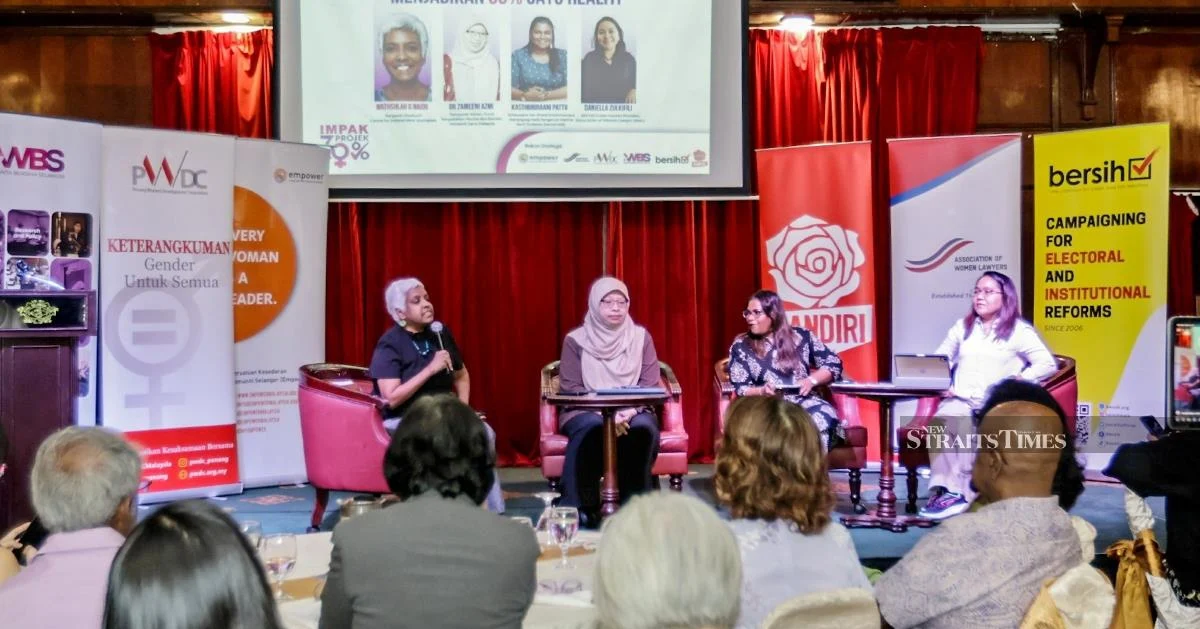
A broad coalition of civil society organisations has taken a significant step towards improving women's participation in Malaysian politics by submitting a memorandum and draft legislation to the government. The submission calls for a mandatory requirement that political parties field a minimum of 30 per cent women candidates at the next general election, representing a concerted push from advocacy groups to address the persistent gender imbalance in parliament.
The initiative reflects growing momentum among Malaysian civil society to tackle the underrepresentation of women in electoral politics, an issue that has long concerned gender equality advocates across the region. Currently, women comprise a minority of candidates fielded by major political parties, and their representation in parliament remains significantly below international benchmarks. By proposing a legislative framework that would apply binding requirements across the political spectrum, the coalition aims to create lasting structural change rather than relying on voluntary party commitments that have historically proven inadequate.
The draft law represents a practical policy response informed by international best practices and the experiences of neighbouring democracies. Several Southeast Asian nations have implemented similar gender quota mechanisms, with varying degrees of success and enforcement. Indonesia, for instance, mandates a 30 per cent quota for women candidates, while Thailand has pursued quota systems at different electoral cycles. The Malaysian proposal draws on these regional precedents while attempting to tailor the framework to local political and constitutional contexts.
Submitting formal draft legislation rather than merely advocating through media campaigns demonstrates the coalition's strategic approach to policy influence. By providing lawmakers with concrete legislative language, the groups aim to reduce barriers to implementation and facilitate faster legislative processing if political will emerges. The memorandum accompanying the draft law would typically outline the rationale, anticipated benefits, and implementation mechanisms, equipping government officials and legislators with comprehensive arguments to consider during deliberation.
The timing of this submission carries political significance within Malaysia's electoral cycle. General Election 16 remains several years away, providing a window for sustained advocacy, stakeholder consultation, and potential coalition-building among political parties. Early submission allows time for the proposal to gain public attention, accumulate supporter endorsements, and potentially feature in political party platforms or government policy agendas. Conversely, political parties may view such mandates as constraining their candidate selection autonomy, potentially creating friction between reform advocates and party machinery.
Implementing a 30 per cent quota would require meaningful changes to how Malaysian political parties recruit and promote women candidates. It would necessitate party leaders consciously prioritising women's nomination in winnable constituencies rather than relegating them to uncompetitive seats, a historical pattern in many democracies. The quota would also incentivise parties to develop clearer pathways for women's political advancement and create pressure to address internal party cultures that may inadvertently discourage female participation.
The economic and social case for greater women's representation extends beyond equity concerns. Research from regional and international studies suggests that diverse legislative bodies produce broader policy perspectives, improved scrutiny of government decisions, and greater responsiveness to community needs across demographic groups. Malaysia's development aspirations require mobilising talent from its entire population, and systemic barriers preventing women's full participation in political decision-making represent an inefficient allocation of human capital.
The coalition's strategy of building legislative proposals suggests an understanding that voluntary pledges and awareness campaigns alone have proven insufficient to drive change. Malaysia's political culture, with its strong party hierarchies and entrenched incumbent advantages, requires formal institutional mechanisms to reset default assumptions about candidate selection. A legislated quota removes discretionary decision-making at critical moments when party leaders might otherwise prioritise incumbency, patronage networks, or personal preferences over diversity considerations.
Implementing such legislation would inevitably generate debate about constitutional compatibility, particularly regarding any implications for party autonomy and electoral regulation. Malaysia's Federal Constitution grants political parties substantial freedom in internal organisation and candidate selection, potentially creating legal questions about the extent to which parliament can impose selection requirements. The coalition's draft law would presumably address such constitutional questions, either by demonstrating compatibility with existing constitutional frameworks or by proposing necessary constitutional amendments.
The international dimension of this advocacy cannot be overlooked. Malaysia's participation in regional and global forums increasingly involves commitments to gender equality and women's empowerment, including United Nations Sustainable Development Goals. Domestic policy changes aligned with such commitments strengthen Malaysia's credibility in international dialogues and position the country as a progressive voice within Southeast Asia. Conversely, resistance to reasonable gender representation mechanisms invites scrutiny from international observers and regional peers.
Political party responses to this proposal will likely reflect their electoral calculations and ideological orientations. Parties with younger, reform-oriented leaders or growing urban memberships may view quotas as modernising measures. Established parties with deeply rooted networks of male powerbrokers might perceive quotas as threatening internal stability or limiting their candidate field. The government's stance on the proposal will ultimately determine whether it receives serious legislative consideration or languishes in committee limbo.
The coalition's initiative demonstrates that Malaysian civil society continues developing sophisticated advocacy strategies capable of engaging directly with legislative processes. Rather than purely external pressure, groups are producing technical policy work that treats elected officials as potential partners in reform. Success would require sustained engagement, securing cross-party support, and maintaining public attention throughout what will likely be a lengthy parliamentary process.

