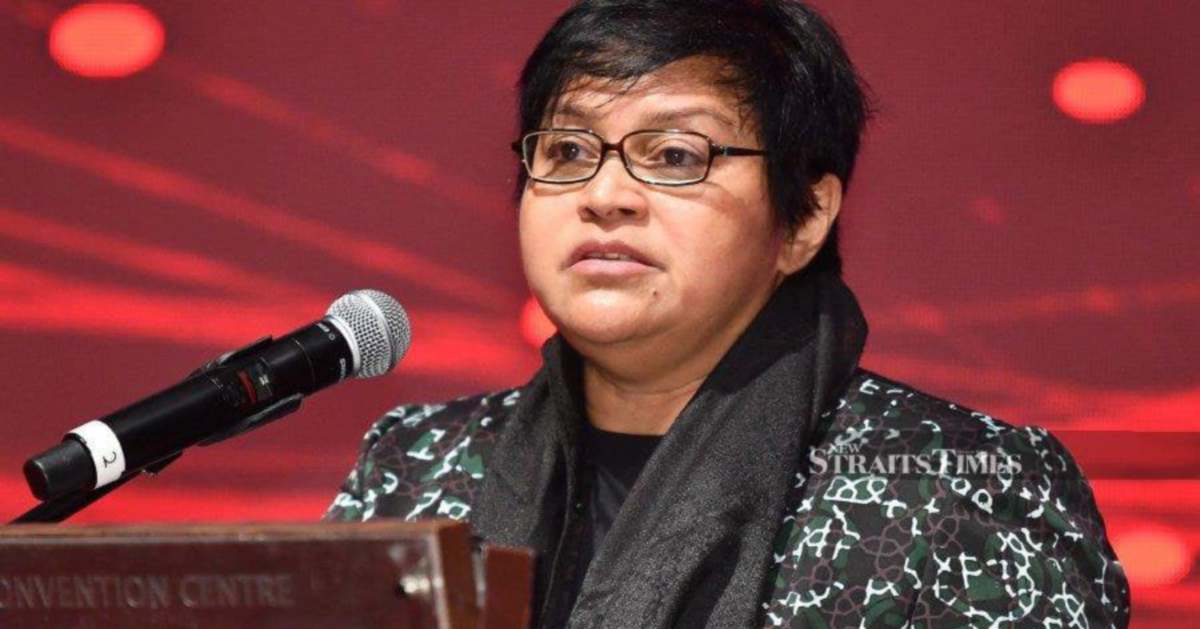
Umno's information chief Datuk Seri Azalina Othman Said has urged political parties to refrain from speculating about potential coalition arrangements in Johor until after the state election results have been declared, cautioning against premature discussions that could cloud the electoral process.
Speaking in Putrajaya, Azalina's position reflects the broader caution within Umno as the party prepares for what is expected to be a closely contested state election. Her statement suggests that the party intends to focus campaign messaging on electoral performance rather than allowing coalition negotiations to dominate political discourse during the voting period.
The call for restraint is particularly significant given the fluid political landscape in Johor, where previous state elections have produced fragmented results requiring complex post-election negotiations. The state has experienced coalition realignments following earlier election cycles, with parties frequently shifting alliances based on numerical support in the state assembly. By emphasising that such discussions should follow electoral outcomes, Azalina appears to be signalling that Umno wishes to contest the election on its own merits rather than having its campaign narrative undermined by speculation about backroom deals.
This stance also reflects lessons learned from previous electoral cycles across Malaysia, where pre-election coalition discussions have occasionally dampened voter enthusiasm or created perceptions of predetermined outcomes. Political analysts suggest that drawing clear boundaries between campaign periods and post-election negotiations can help maintain electoral integrity and voter confidence in the democratic process.
For Malaysian readers, the timing of such coalition discussions carries broader implications. While unity governments have become increasingly common in Malaysian politics—both at federal and state levels—forming them requires careful timing and messaging. Premature announcements can alienate voters who feel their electoral choice is being predetermined, whereas post-election negotiations allow parties to respond to the actual will of voters as expressed through polling results.
Johor's political significance extends beyond state boundaries. As Malaysia's second-largest state by population and a crucial economic centre, the composition of its state government influences federal political dynamics and sets precedents for coalition-building practices across the country. The state government's approach to economic development, infrastructure, and inter-communal relations affects not only Johor residents but also neighbouring Selangor and the broader Klang Valley region.
Azalina's emphasis on waiting for election results also suggests internal party discipline within Umno, where various factions might hold differing views on optimal coalition partners. By establishing a clear timeline for such discussions, the party leadership can manage internal expectations and prevent competing factions from making public statements that contradict official party positions during the sensitive campaign period.
The broader context reveals that Malaysian political parties have become increasingly sophisticated in separating campaign phases from negotiation phases. This represents a maturation of electoral practices in the country, moving away from instances where coalition formation appeared to overshadow democratic competition. The distinction between these phases helps legitimise eventual coalition governments by ensuring they emerge from clearly documented electoral results rather than appearing to be pre-negotiated arrangements.
For Southeast Asian observers, Azalina's statement demonstrates how Malaysian politics continues to evolve in response to recent experiences with coalition governments and electoral volatility. Since the 2018 general election fundamentally reshaped Malaysian politics through an unprecedented change of federal government, parties have become more cautious about optics surrounding coalition formation, recognising that voters increasingly demand transparency about post-election arrangements.
The timing of when such discussions occur also carries practical implications for governance preparation. By deferring coalition negotiations until after results are known, parties can more accurately assess their bargaining positions and engage in discussions based on concrete numbers rather than pre-election projections. This can lead to more stable and representative coalitions that better reflect the actual electoral preferences expressed by voters.
Looking forward, observers will monitor whether other parties adopt similar positions, either supporting or challenging Azalina's approach. The responses from opposition parties and other Umno-aligned groups will indicate whether this becomes an accepted standard for Malaysian state elections or remains primarily an Umno strategy. Such developments could gradually reshape how Malaysian political campaigns are conducted, potentially reducing the prevalence of coalition speculation during voting periods and focusing public discourse more directly on parties' policy platforms and governance records.

