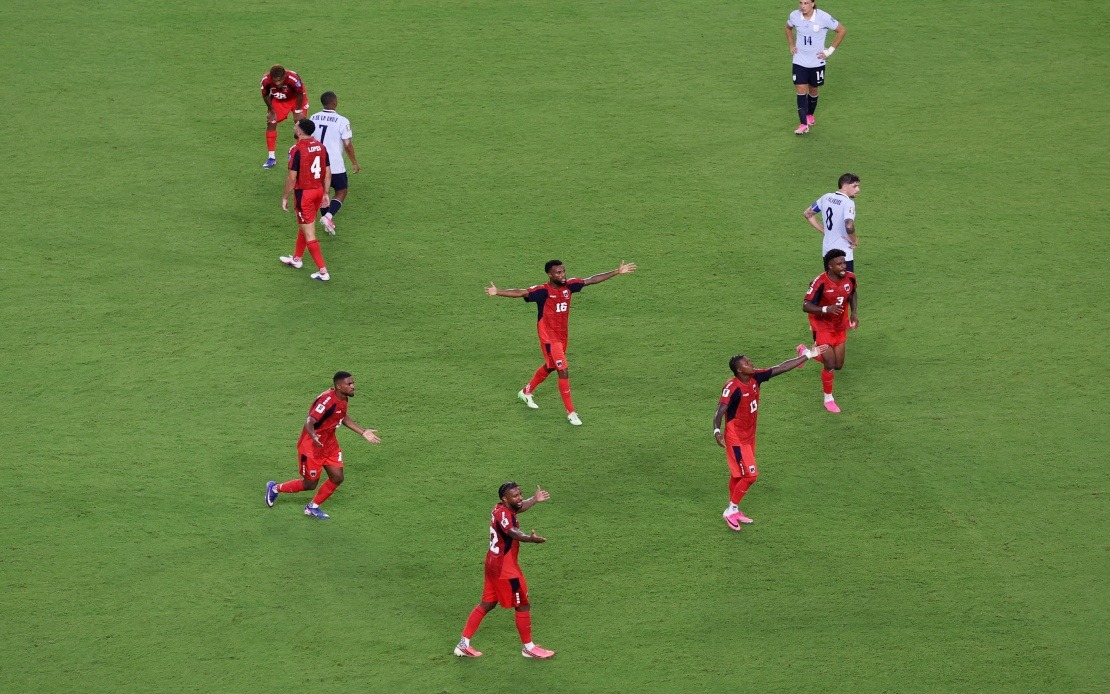
In a remarkable display of resilience and composure, Cape Verde continued their fairytale maiden World Cup campaign by holding two-time champions Uruguay to a 2-2 draw on Sunday, further cementing their status as one of the tournament's most compelling stories. The Atlantic island nation, competing at football's premier competition for the first time, not only secured a historic point but achieved the milestone of scoring their first-ever World Cup goal, a breakthrough moment that will resonate throughout Cape Verdean football for generations to come.
The achievement carries particular significance given Cape Verde's recent trajectory in international football. Just six days earlier, the debutants had confounded expectations by holding European champions Spain to a goalless draw in their tournament opener, a result that already suggested this team possessed both tactical discipline and mental fortitude beyond what many observers anticipated. However, that performance, while impressive defensively, left questions about their attacking capability unanswered. Sunday's match against Uruguay provided the opportunity to silence doubters on that front, and Cape Verde seized it emphatically.
Kevin Pina authored the historic moment in the 21st minute, unleashing a stunning free-kick from distance that found the net and sent Cape Verde into an early lead. The goal represented far more than a simple scoreline adjustment; it was a validation of the nation's football development and a statement that their presence at the tournament was no mere qualification fluke. Pina's technical execution and confidence in taking the set-piece reflected the growing quality within Cape Verdean football despite the country's limited resources and infrastructure compared to traditional powerhouses.
Uruguay, however, refused to be undone by debutants, demonstrating the experience and quality that has made them a respected force in international football. Maxi Araújo drew level just before halftime in the 44th minute, suggesting the match would follow a conventional script where the more established nation would edge ahead. That narrative seemed to solidify when Augustin Canobbio turned the game around shortly before the interval, giving Uruguay a 2-1 advantage and positioning them as likely victors against opponents still learning their way at this level of competition.
Yet Cape Verde's response epitomized their tournament trajectory thus far—unafraid and determined to forge their own path. Substitute Helio Varela, introduced to inject fresh energy into the side, needed merely three minutes after his introduction to restore parity. A Cape Verdean turnover in Uruguay's half could have signified renewed opportunity for the South Americans, but instead it triggered a swift counterattack. Varela identified that Fernando Muslera, Uruguay's goalkeeper, had positioned himself recklessly far from his line, and the Cape Verdean midfielder showed composure beyond his years by chipping the ball over the keeper and tapping it into the empty net in the 61st minute. The equalizer sent shockwaves through Group H and reinforced the notion that Cape Verde possessed more than defensive competence—they harbored genuine attacking threat.
The draw leaves Group H in a tightly balanced configuration with profound implications for qualification. Spain maintained their position atop the standings following a comprehensive 4-0 victory over Saudi Arabia, demonstrating the defensive vulnerabilities of other Group H members while consolidating their credentials as serious tournament contenders. Uruguay, despite their pedigree and previous World Cup success, find themselves second in the standings but operating on just two points accumulated from their first two matches. This represents a precarious position for a nation accustomed to deeper tournament runs and elevated expectations.
Cape Verde's two points from matches against Spain and Uruguay is a haul that transcends mere statistics; it represents a fundamental shift in how smaller football nations can compete when properly organized and mentally engaged. Their position level with Uruguay on two points speaks volumes about how thoroughly they have outperformed conventional predictions. Saudi Arabia, meanwhile, occupies the basement with a single point, their performance thus far suggesting they may struggle to progress beyond the group stage despite earlier hopes of improved qualification chances.
The tactical evolution visible in Cape Verde's display against Uruguay warrants closer examination. Where many debutant nations might resort to extreme defensive pragmatism or capitulate psychologically against established opposition, Cape Verde demonstrated intelligent game management combined with threatening offensive transitions. Their willingness to press Uruguay in midfield and transition quickly from defense to attack created problems for a Uruguayan side that appeared complacent at times, perhaps expecting lesser opponents to park buses rather than contest them for territorial dominance.
For Malaysian football observers, Cape Verde's performance carries instructive lessons about tournament preparation, mental resilience, and the importance of believing in collective capability regardless of perceived quality disparities. The Southeast Asian region occasionally produces competitive teams at continental competitions, yet the World Cup remains a competition where smaller nations often surrender to psychological disadvantages before the opening whistle. Cape Verde's approach suggests that proper conditioning, tactical clarity, and robust self-belief can narrow the perceived gulf between established and emerging football nations more substantially than conventional wisdom suggests.
As the tournament progresses, Cape Verde's path forward remains uncertain but tantalizing. Their ability to accumulate points against Spain and Uruguay means even a draw in their final group match could feasibly earn them qualification, an outcome that would represent one of sport's most improbable narratives. Uruguay, conversely, must reconceptualize their approach or risk an embarrassing early exit despite their historical credentials. Spain, meanwhile, has clearly established themselves as Group H favorites, though complacency against an energized Cape Verdean side in their final match could prove costly. The small island nation has already exceeded expectations; whether they can sustain this momentum remains football's most compelling subplot.

