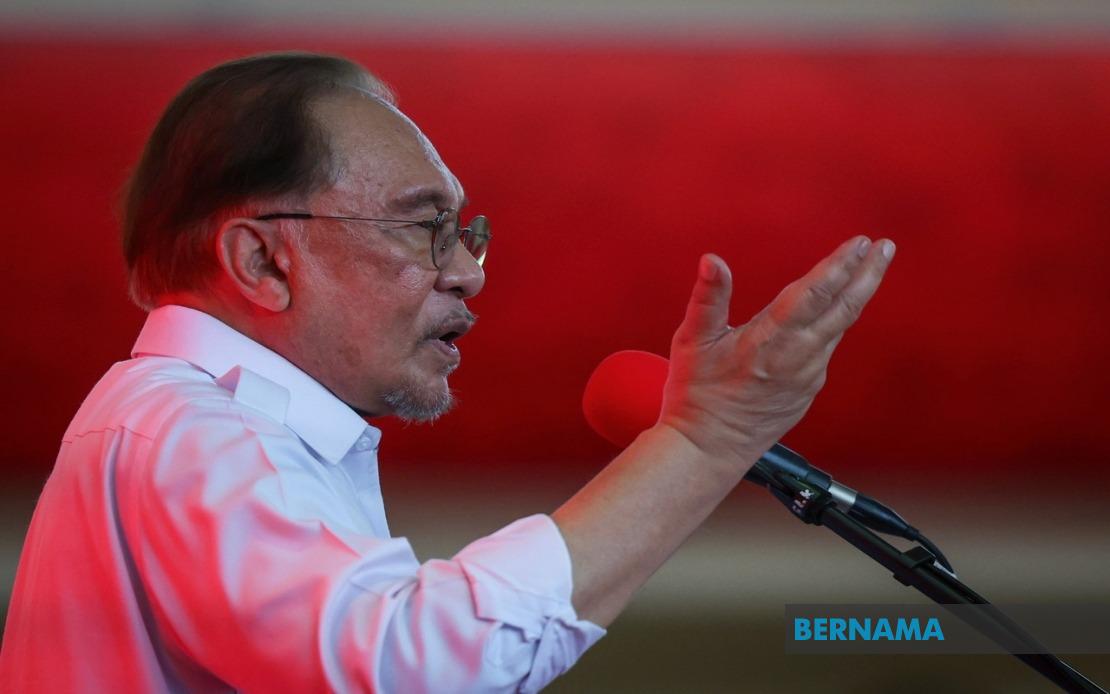
Prime Minister Datuk Seri Anwar Ibrahim has signalled that a pivotal decision on the contentious Tabung Haji Royal Commission of Inquiry report will be made this week when the Cabinet convenes for its regular meeting. Speaking in Tampin on July 27, the Prime Minister indicated that the government is moving toward resolving the question of whether to make the damaging findings public, an issue that has weighed on the administration for some time.
The Royal Commission of Inquiry was established to investigate serious allegations involving the sale of Tabung Haji's strategic assets, a matter that has drawn scrutiny from Muslim groups, civil society organisations, and political opponents. The timing of the Cabinet's decision carries significance for transparency advocates who have pressed the government to disclose findings that could reveal failures in governance at the Islamic pilgrimage fund, which manages billions of ringgit belonging to Malaysian Muslims intending to perform the hajj.
Anwar's remarks suggest a shift toward greater openness, though he stopped short of committing unequivocally to full disclosure. His language indicated the government recognises public appetite for accountability, stating that if the report contains no wrongdoing, the administration should "stand up for it," but if improprieties are found, those responsible must face prosecution. This framing attempts to position the government as committed to the rule of law while deflecting suggestions that political considerations might influence the release decision.
The Prime Minister emphasised that the Cabinet's role in deciding whether to release the report reflects Malaysia's institutional separation of powers, rather than executive interference in investigations or judicial proceedings. He drew a deliberate distinction between the Cabinet's governance function and the independent roles of investigating authorities, the Attorney General's chambers, and the judiciary. By articulating these boundaries, Anwar sought to counter any perception that his administration might suppress findings to protect allies or spare political embarrassment.
This measured stance reflects the delicate position the government occupies. Tabung Haji holds deep symbolic and practical importance in the Malaysian Muslim community, and any revelation of mismanagement could provoke significant backlash against the administration. Conversely, withholding the RCI report risks accusations of cover-up and undermines the government's stated commitment to transparency and institutional reform that formed central planks of its election platform.
The previous week, Anwar had signalled readiness to release the report imminently, indicating he would consult the Chief Secretary to the Government about whether Cabinet approval was necessary. This procedural consultation itself reveals complexity in Malaysia's document classification and release protocols, where the boundary between executive responsibility and institutional governance remains somewhat fluid. The decision to refer the matter to Cabinet rather than resolving it administratively suggests the findings carry sufficient political weight to warrant collective ministerial consideration.
The Tabung Haji controversy epitomises broader governance challenges Malaysia faces regarding oversight of government-linked companies and Islamic institutions. The pilgrim fund's mismanagement, if substantiated by the RCI, underscores vulnerabilities in accountability mechanisms despite recent anti-corruption reforms. For Southeast Asian observers watching Malaysia's institutional development, the handling of this report will signal whether the government prioritises transparency over political convenience when sensitive matters involve powerful constituencies.
Public pressure for disclosure has mounted from various quarters, including religious scholars, consumer advocates, and opposition parliamentarians. Muslim groups have particularly emphasised that transparency serves the interests of the pilgrims whose savings are entrusted to the institution. Social media discourse has increasingly demanded accountability, and maintaining opacity risks appearing evasive rather than prudent. The Cabinet's Wednesday decision will thus carry symbolic weight beyond the specific findings, representing a test of the government's commitment to institutional accountability.
The attendance at Anwar's event by senior government officials including the Chief Secretary to the Government suggests that the machinery of state is actively engaged in finalising procedures around the report's handling. Such high-level involvement indicates the matter is being treated with appropriate seriousness rather than as a routine administrative question. The Cabinet decision, when announced, will likely shape public perception of whether this administration can meaningfully reform governance at government-linked entities or whether such institutions remain insulated from meaningful oversight.
The coming weeks will reveal whether the Cabinet opts for full public disclosure, redacted release, or continued confidentiality. Each option carries distinct political and institutional consequences. Full transparency would demonstrate commitment to accountability but risk explosive political fallout if the report implicates prominent individuals or reveals systemic failures. Partial disclosure or continued withholding would provide temporary shelter from controversy but potentially validate accusations of selective transparency. The decision reflects tensions inherent in governance between institutional integrity and political pragmatism that continue to define Malaysian public administration.

