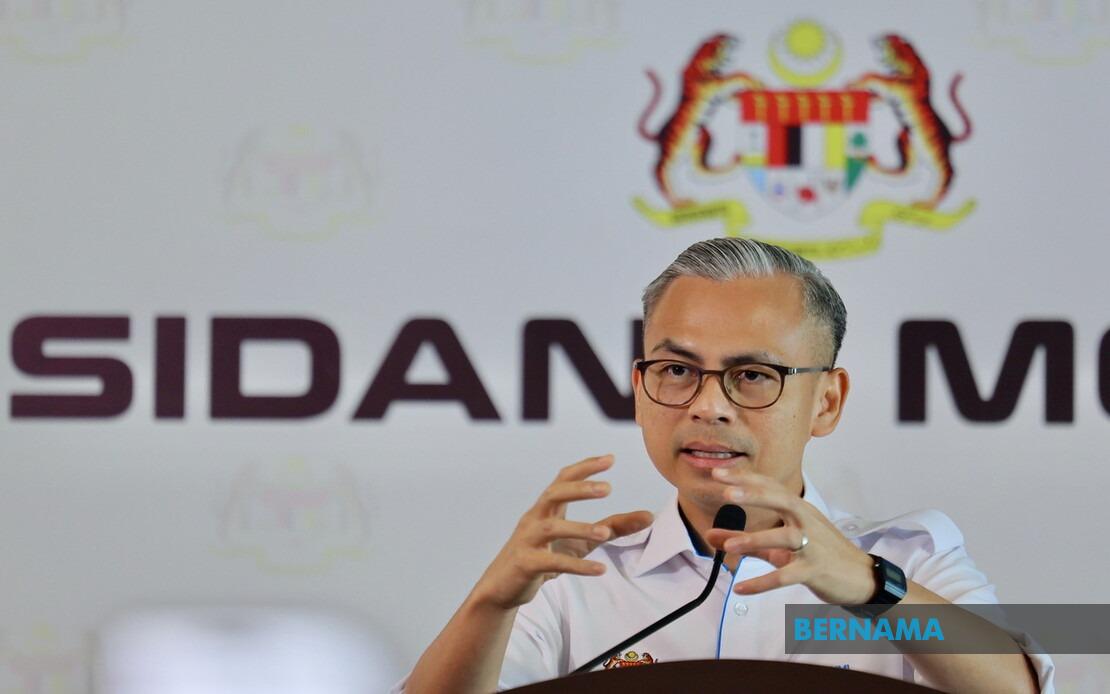
The Malaysian government is escalating its response to mounting foreign worker challenges by convening a Cabinet Committee meeting as early as next week, Communications Minister Datuk Fahmi Fadzil announced following Cabinet proceedings chaired by Prime Minister Datuk Seri Anwar Ibrahim. The accelerated timeline reflects the administration's determination to tackle labour supply constraints that are increasingly constraining business operations across the economy. Deputy Prime Minister Datuk Seri Dr Ahmad Zahid Hamidi will helm the committee, signalling the government's commitment to resolving what has become a critical economic issue affecting numerous sectors simultaneously.
The decision underscores broad recognition within government that Malaysia faces genuine structural challenges in its foreign worker framework. Several key industries have begun raising concerns about inadequate manpower to meet operational demands, with the food and beverage sector particularly vocal about staffing pressures. The government's swift convening of this high-level mechanism indicates awareness that sectoral complaints are accumulating and require coordinated policy solutions rather than piecemeal responses. By delegating oversight to the Deputy Prime Minister, rather than relegating the matter to junior ministerial committees, the Cabinet has signalled that foreign worker policy now ranks as a top-tier governance priority.
Malaysia's reliance on migrant labour has deepened considerably over the past two decades, particularly in hospitality, construction, manufacturing, and domestic work. The food and beverage sector, a significant employer and contributor to tourism revenues, has grown increasingly dependent on foreign staff, particularly for operational and kitchen roles. Recent labour market tightness—stemming from tighter border controls, worker repatriation during economic uncertainty, and changing migration patterns across Southeast Asia—has created genuine bottlenecks for employers. These constraints come at an awkward moment, as Malaysia seeks to boost tourism and economic activity post-pandemic.
The Cabinet Committee meeting will likely grapple with several interconnected policy questions. These include whether Malaysia should adjust quotas for foreign workers in specific sectors, streamline the application and verification process for employer permits, or establish sector-specific labour agreements with key source countries. The committee may also examine wage regulations, working conditions standards, and enforcement mechanisms designed to prevent exploitation—all factors that affect labour availability and quality. Another consideration involves the timing and pace of policy implementation, particularly whether any changes can take effect quickly enough to relieve immediate sectoral pressures.
For the food and beverage industry specifically, the stakes are substantial. Malaysia's hospitality and tourism sectors compete intensely for visitors across Southeast Asia, and service quality depends heavily on adequate staffing. Restaurants, hotels, and catering companies that cannot secure sufficient workers face either reduced operating hours, compromised service standards, or compressed profit margins. These constraints may also discourage investment in new venues or expansion plans. The ripple effects extend beyond tourism, affecting domestic consumption and employment opportunities for Malaysian citizens seeking supervisory or management roles.
The broader policy challenge involves balancing labour market access against worker protection and integration objectives. Malaysia has historically pursued relatively open foreign worker policies, reflecting genuine sectoral demand and the limited supply of qualified Malaysian citizens willing to take lower-wage operational roles. However, policymakers must also ensure that expanded foreign worker access does not undermine wages or conditions for Malaysian workers, does not create parallel labour markets with minimal integration, and does not evade oversight mechanisms designed to prevent human trafficking or exploitation. The Cabinet Committee will need to weigh these competing imperatives carefully.
Regional context matters significantly for Malaysia's approach. Indonesia, Thailand, and the Philippines—all major labour source countries—have adjusted their own migration policies in recent years, sometimes imposing restrictions or demanding higher worker protections. Any Malaysian policy changes must account for these neighbour dynamics. Likewise, Singapore's more restrictive stance on migrant labour demonstrates that tighter controls remain possible, though the economic trade-offs became apparent during periods when constraints tightened. Malaysia's committee will likely examine how peer economies have managed similar pressures and what lessons apply to the local context.
Stakeholder consultation will prove essential during the committee's deliberations. Business groups, including the Malaysian Employers Federation and industry-specific associations representing hotels, restaurants, and hospitality firms, will need meaningful input into any policy adjustments. Labour and civil society organizations concerned with worker rights must also participate. Government agencies responsible for implementation—including the Immigration Department, Human Resources Ministry, and relevant enforcement bodies—require coordination to ensure that whatever policies emerge can be administered effectively and consistently across sectors.
The timeline for implementation and communication matters considerably. Businesses currently facing staffing challenges need clarity on what relief mechanisms the government will provide and when. Source countries and labour intermediaries require transparent signals about Malaysia's future policy direction to adjust recruitment and placement activities accordingly. Malaysian workers in relevant sectors deserve assurance that any expanded foreign worker access will not displace them or compress their employment prospects. The Cabinet Committee's conclusions must therefore be communicated clearly and soon after the meeting concludes.
This initiative also reflects broader MADANI government priorities around inclusive growth and institutional responsiveness. By recognizing sectoral labour challenges and convening high-level mechanisms to address them, the administration demonstrates willingness to engage pragmatically with economic realities while maintaining oversight standards. The focus on the food and beverage sector, where labour constraints directly affect consumer-facing services, highlights the government's understanding that these issues ultimately influence business confidence, investment flows, and overall economic dynamism.
Longer-term, Malaysia may need to examine workforce development and automation strategies that reduce reliance on foreign labour in certain roles. Skills training programs, wage incentives for Malaysian citizens, and technological investments could all contribute to a more sustainable labour market structure. However, such transitions require planning and investment horizons that extend beyond immediate sectoral needs, making them insufficient as standalone responses to current pressures. The Cabinet Committee's immediate task involves providing near-term relief while considering what longer-term structural changes might prove necessary.

