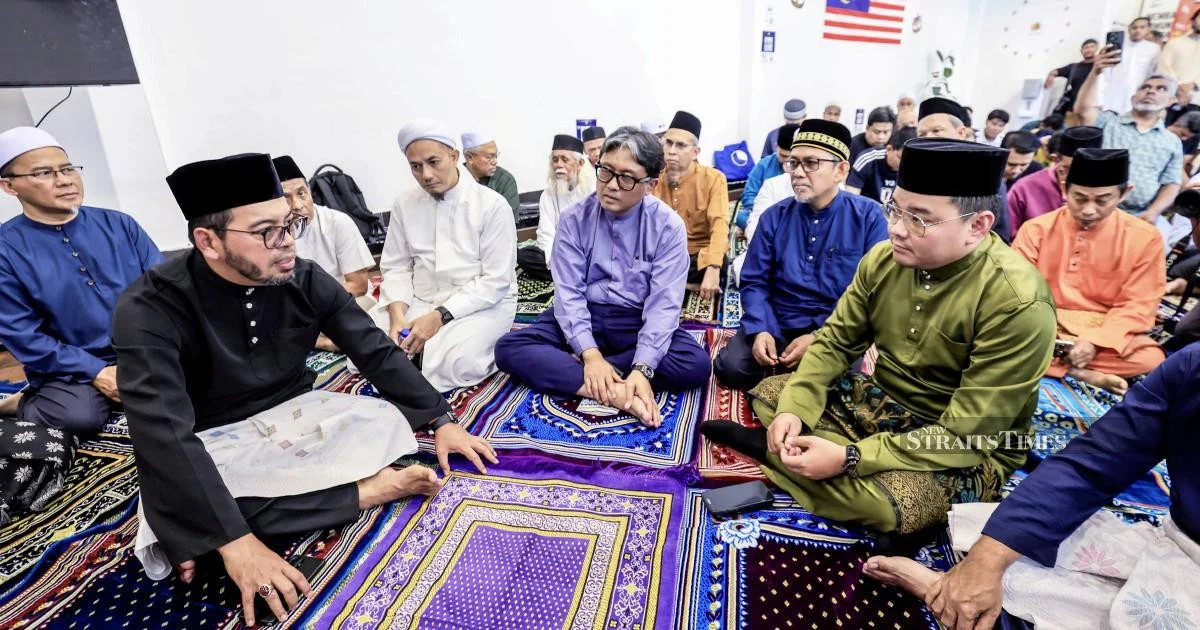
Kuala Lumpur's vibrant Bukit Bintang district is set to gain a significant new religious facility, with a mosque designed to accommodate more than 1,500 worshippers expected to open its doors by the start of next year. The announcement, made by Minister in the Prime Minister's Department (Religious Affairs) Dr Zulkifli Hasan, marks an important milestone in expanding prayer facilities within one of Malaysia's most densely populated commercial zones.
The development reflects broader efforts to enhance religious infrastructure in urban centres where demand for places of worship has grown substantially alongside residential and business expansion. Bukit Bintang, encompassing the Golden Triangle shopping and business district along with surrounding residential communities, has experienced significant population growth over recent decades, straining existing prayer facilities during peak periods such as Friday prayers and religious observances.
The new mosque's capacity to serve 1,500 worshippers simultaneously represents a substantial addition to the district's religious amenities. For context, many prayer facilities in similarly crowded urban areas often operate at or beyond maximum occupancy during congregational prayers, necessitating overflow arrangements or multiple prayer sessions. The new structure should substantially alleviate these logistical challenges and provide dignified, comfortable worship spaces for Muslims working and residing in the commercial heart of the capital.
The early 2025 completion timeline suggests construction is advancing according to schedule, though specific architectural details about the facility remain undisclosed. Given Bukit Bintang's modern urban landscape, the mosque's design likely incorporates contemporary Islamic architectural elements while integrating sympathetically with the surrounding streetscape of commercial buildings, shopping centres, and residential towers. Such projects in prime urban locations demand careful planning to balance community needs with space constraints and zoning considerations.
From a practical standpoint, the new mosque will address practical challenges faced by Muslim workers and residents in the district. The Golden Triangle area hosts numerous multinational corporations, financial institutions, and retail establishments employing tens of thousands. Previously, many Muslims in the vicinity relied on smaller prayer rooms within office buildings or travelled significant distances to reach established mosques during designated prayer times. The dedicated facility eliminates such inconveniences and enables proper congregational worship as prescribed in Islamic practice.
The project also reflects government commitment to systematically upgrading religious infrastructure across Malaysia's major urban centres. As cities continue densifying and becoming economic magnets, ensuring adequate religious amenities remains an important policy objective. Other major Malaysian cities have similarly undertaken mosque development programmes, recognising that robust spiritual infrastructure enhances community welfare and cohesion alongside economic growth.
For Bukit Bintang's diverse Muslim population—encompassing Malaysian citizens, expatriate workers, and international business visitors—the new mosque serves as both a practical necessity and a symbolic acknowledgment of Islam's centrality in Malaysia's multicultural society. The facility's strategic location will likely make it a significant gathering point not only for regular worship but also during major Islamic occasions such as Eid celebrations, Ramadan observances, and other religious events.
The mosque's development also carries implications for urban planning discourse in Malaysia. As property values rise and urban land becomes increasingly premium, allocating substantial space for community facilities—particularly religious institutions—demonstrates conscious prioritisation of spiritual and social needs alongside commercial and residential interests. This balancing act represents an important governance consideration for metropolitan planners throughout Southeast Asia.
Looking ahead, the facility's completion will mark another chapter in Kuala Lumpur's ongoing infrastructure evolution. The capital has witnessed remarkable transformation over recent decades, with successive generations of development reshaping the urban landscape. Religious infrastructure improvements, while often receiving less media attention than transport projects or commercial developments, form equally vital components of liveable, integrated urban communities.
Stakeholders including local religious authorities, district administrators, and community representatives will likely oversee the mosque's opening procedures and operational establishment. The transition from construction to full operation will require coordination across multiple agencies to ensure the facility meets technical specifications, safety standards, and religious requirements governing mosque operations in Malaysia. Dr Zulkifli Hasan's involvement signals high-level government backing for the project's successful completion within the stated timeline.

