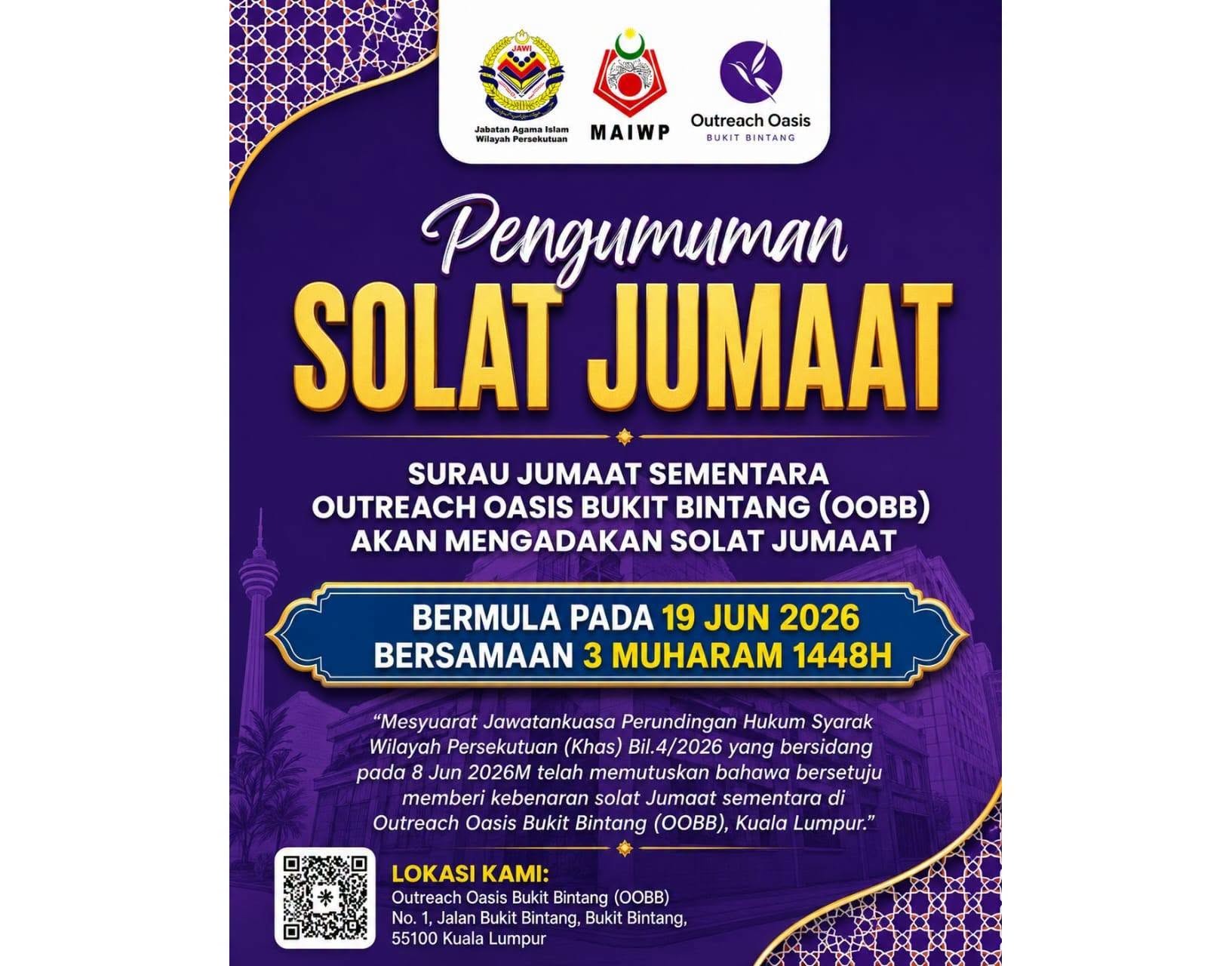
Muslims working and visiting Bukit Bintang will now have a dedicated space to perform their Friday prayers following the opening of a temporary facility at the Bukit Bintang Outreach Oasis. The arrangement, which commenced on June 19, represents a milestone for the bustling commercial and tourism precinct in central Kuala Lumpur, where the Muslim population has previously lacked convenient access to prayer facilities during peak business hours.
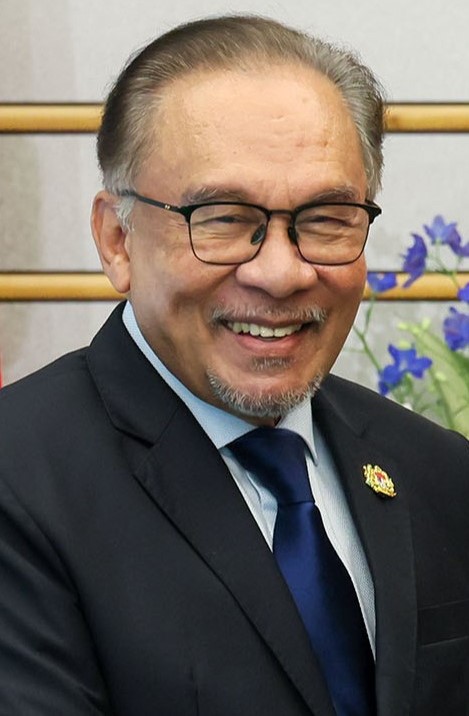
Dr. Zulkifli Hassan, Minister in the Prime Minister's Department (Religious Affairs), announced the development through social media, highlighting that the temporary facility operates under special government approval. This designation is significant because it indicates that authorities granted an exception to allow prayer services at a location not originally designated as a religious establishment, underscoring the priority placed on accommodating Muslim worshippers in commercial zones.
The temporary arrangement will remain in place only until the permanent Friday surau—a dedicated Islamic prayer hall—is fully constructed at the site. This phased approach allows the government to meet immediate religious needs while capital works proceed on a more comprehensive facility. The timeline for completing the permanent structure has not been publicly disclosed, though such projects typically require several months to a year depending on complexity and scale.
The significance of this development extends beyond simple logistics. Bukit Bintang encompasses one of Malaysia's most vibrant commercial districts, attracting thousands of workers and tourists daily. Muslims employed in the area—whether in retail, hospitality, finance, or other sectors—have faced practical constraints in observing their religious obligations during the Friday prayer window, typically around midday. The new facility removes barriers that previously required workers to either forgo prayers or spend considerable time traveling to distant mosques or suraus.
Dr. Zulkifli's announcement emphasised the relief this development provides, noting that worshippers would no longer need to "rush, race against time, or squeeze through crowds to travel far" to fulfil their religious duty. This language reflects an understanding of the practical pressures faced by urban Muslim professionals, particularly in Kuala Lumpur's fast-paced commercial environment where lunch breaks are typically constrained. The language also suggests that accessibility to prayer facilities is framed as a matter of dignity and ease rather than mere tolerance.
The minister explicitly invited the Bukit Bintang community to participate in the inaugural Friday prayers and to sustain attendance as a demonstration of support for Islamic values in the district. This appeal carries particular weight given Bukit Bintang's status as a secular commercial and entertainment hub. By encouraging broad participation, the government appears to be making a statement about Islam's place within Malaysia's modern urban landscape—neither sequestered in separate religious zones nor marginalised within commercial areas, but integrated into the everyday fabric of city life.
The establishment of this facility also addresses a gap in Malaysia's approach to urban religious infrastructure. While major shopping malls and office complexes increasingly include prayer rooms, dedicated Friday prayer spaces in commercial districts remain relatively rare. The permanent surau, once completed, will likely become a landmark facility, potentially serving as a model for similar developments in other commercial precincts across Kuala Lumpur and other major Malaysian cities experiencing comparable challenges.
From a broader perspective, this development reflects growing recognition among Malaysian policymakers that religious accommodation and urban development are complementary rather than competing priorities. Southeast Asian cities increasingly grapple with how to integrate religious practice into secular commercial spaces. Malaysia's approach—formally designating prayer facilities and providing government support—demonstrates one pathway toward managing this integration systematically rather than leaving it to informal or ad-hoc arrangements.
The temporary facility's opening also carries symbolic weight at a time when discussions about Islam's role in modern Malaysia sometimes become contentious. By proactively creating prayer spaces in commercial zones, the government signals that facilitating Islamic practice is not a concession to particular communities but an essential component of public service delivery in an increasingly diverse urban environment. This positioning may help depoliticise what could otherwise become a contentious issue.
For Malaysian employers and business operators in Bukit Bintang, the prayer facility also offers practical benefits. When employees have convenient access to prayer spaces, workplace friction over prayer time accommodations may decrease, potentially improving overall workplace harmony. Companies have increasingly recognised that supporting employees' religious observance contributes to staff wellbeing and retention, particularly among Muslim workers.
The initiative also reflects shifting demographics in Bukit Bintang itself. While traditionally known as an entertainment and shopping district, the area has become increasingly mixed-use, with growing residential populations in surrounding high-rises and expanding office space. This evolution has created a critical mass of Muslim residents and workers whose daily presence justifies dedicated religious infrastructure.
As the permanent surau takes shape, observers will likely monitor how the government balances the facility's Islamic character with the broader commercial context of Bukit Bintang. The success of this model could influence how other Malaysian cities approach religious infrastructure planning, particularly in contexts where Muslim populations are significant but historically under-served. The opening represents both practical progress in urban religious accommodation and a statement about how modern Malaysia negotiates the integration of faith into secular commercial spaces.