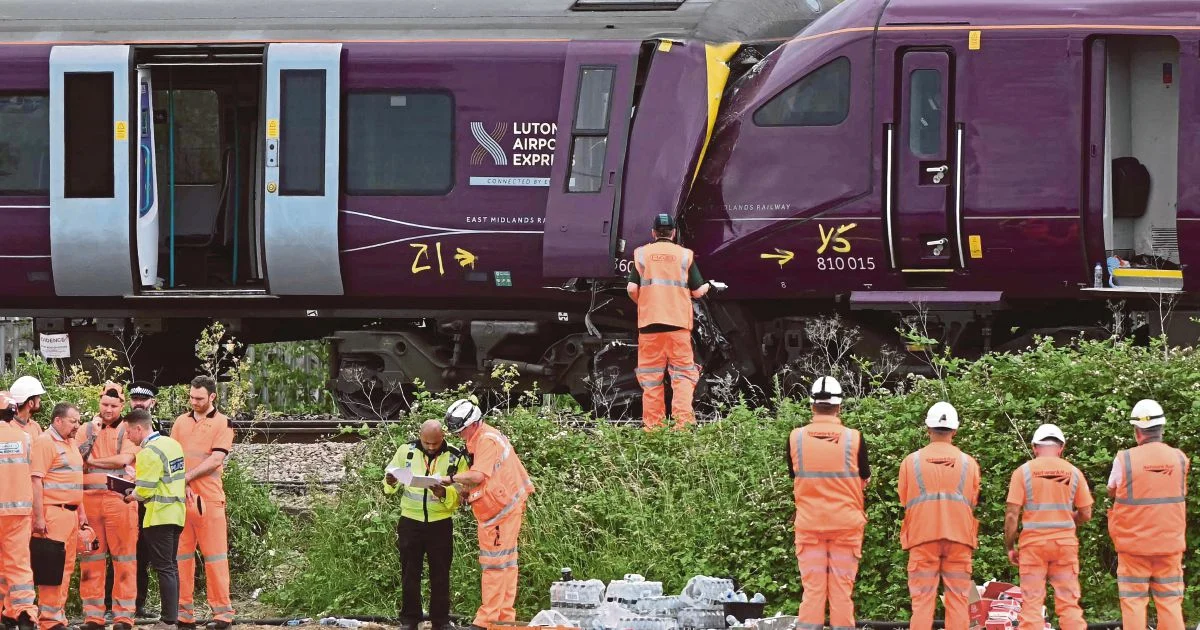
A serious railway incident unfolded north of London on Saturday, resulting in the death of a train driver and the hospitalization of 28 others, nine of whom remain in critical condition. The collision has triggered a comprehensive investigation by UK accident investigators seeking to determine what led to the crash and whether safety protocols were breached in the moments preceding the impact.
The incident highlights the ongoing challenges faced by Britain's rail network, which handles millions of passengers daily across hundreds of routes. While modern railway infrastructure incorporates multiple layers of safety systems designed to prevent such accidents, the fact that collisions continue to occur underscores the complex interplay between technical systems, human factors, and operational procedures that must work in concert to maintain passenger safety.
For Malaysian readers familiar with the Kuala Lumpur rail network and Prasarana's operations, such incidents serve as a sobering reminder of the risks inherent in high-capacity public transport systems. Although Malaysia has invested significantly in rail infrastructure modernization, particularly with the expansion of the LRT and MRT networks, the vulnerabilities exposed by accidents abroad remain relevant to local safety discussions. The lessons learned from this collision and its investigation will likely inform best practices across international rail operators.
The presence of nine critically injured passengers suggests the collision generated considerable force and impact. Such severity typically indicates either high speeds at the moment of contact, significant mass differential between the vehicles involved, or both. Emergency response teams would have faced considerable pressure to triage victims effectively and ensure rapid transport to appropriate medical facilities, a challenge that tests the coordination between rail operators, emergency services, and hospital networks.
Britain's rail accident investigation branch operates independently from both operators and regulators, a structural approach that many experts argue enhances the credibility and thoroughness of post-incident inquiries. This independence permits investigators to examine all possibilities without institutional pressure to minimize findings or protect commercial interests. The investigation will likely examine maintenance records, staffing levels, signal systems, weather conditions, and communications between control centers and train crews.
The economic implications of such incidents ripple through multiple sectors. Beyond immediate costs associated with emergency response and medical treatment, rail operators face potential liability claims, operational disruptions, and damage to public confidence. Insurance frameworks and compensation mechanisms become focal points as affected passengers seek redress for injuries and trauma sustained during the collision.
From a Southeast Asian perspective, the incident underscores why many regional governments have prioritized rail safety upgrades even as they expand networks. The cost of upgrading older infrastructure pales in comparison to the human and financial toll of preventable accidents. Malaysia's own experience with rail incidents, though less frequent than in some developed nations, has driven investment in automated protection systems and improved driver training protocols.
The investigation phase will likely consume weeks or months, with investigators examining black box data, interviewing survivors and witnesses, and conducting forensic analysis of the damaged rolling stock. These findings will eventually form the basis of formal safety recommendations intended to prevent similar occurrences across Britain's rail network and potentially influence international rail safety standards.
For families and loved ones of those affected, this incident represents a sudden and devastating breach of the trust passengers place in transport operators. The psychological impact of major transport accidents extends well beyond the immediate casualties, often influencing public perception of rail safety and willingness to use public transport systems. This psychological dimension frequently receives less attention than technical investigations but remains crucial to understanding an incident's full impact on communities.
The collision also raises questions about resource allocation within Britain's rail sector. Adequately funded operations, including sufficient staffing, regular maintenance, and investment in safety technology upgrades, represent essential foundations for accident prevention. Chronic underfunding or deferred maintenance schedules can create conditions where human errors or technical failures cascade into major incidents.
Southeast Asian nations watching developments in this investigation may find valuable insights applicable to their own rail networks. As countries like Malaysia, Thailand, and Indonesia expand their rail capacity to accommodate growing urban populations, maintaining safety standards remains paramount. International cooperation through organizations like the International Union of Railways helps disseminate lessons from major incidents to operators worldwide, creating a collective knowledge base that benefits public safety across borders.
The coming weeks will determine whether this collision resulted from a discrete mechanical failure, procedural breakdown, environmental factor, or some combination thereof. Whatever the findings, the investigation represents an opportunity for the global rail industry to reinforce its commitment to protecting the millions of passengers who depend on trains for essential daily transportation.

