Ahmed al Ahmed, the Sydney fruit seller whose courage in confronting a gunman during last year's Bondi Beach mass shooting captured global attention, has denied allegations of assaulting his father. The 44-year-old appeared before Bankstown Local Court on Wednesday, June 24, and entered a not guilty plea to charges of common assault and domestic stalking or intimidation. The case marks an unexpected turn in the narrative of a man who became a symbol of bravery and community resilience following one of Australia's deadliest shooting incidents.
On December 14 last year, al Ahmed thrust himself into danger when gunfire erupted at a Jewish festival gathering at Bondi Beach. Video footage that circulated widely on social media showed him moving between parked vehicles as chaos unfolded around him, then physically engaging one of the two attackers and successfully disarming him of his weapon. His decisive intervention during those critical moments may have prevented further loss of life during the attack, which ultimately claimed 15 lives and left numerous others wounded.
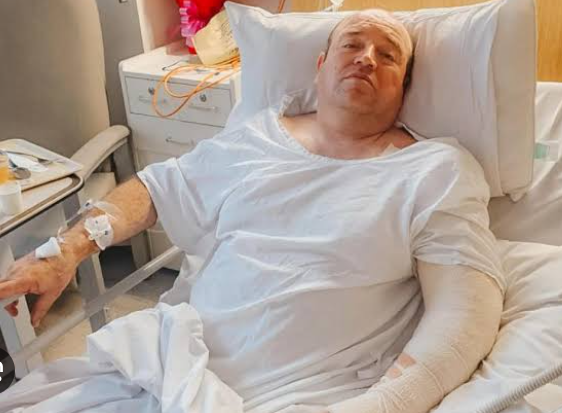
The incident transformed al Ahmed into a household name across Australia and internationally, with news outlets and social media users lauding his selflessness and quick thinking under extreme duress. He sustained gunshot wounds during the altercation but continued to help prevent additional casualties. Following the attack, he met with Prime Minister Anthony Albanese, a recognition of his extraordinary actions in a moment of national tragedy.
Material support for al Ahmed poured in from the community. A fundraising campaign established in his name accumulated over A$1 million, reflecting public appreciation for his heroism and desire to assist him during recovery. However, the emergence of the domestic charges suggests that his life away from that defining moment has been far more complicated, and that fame and financial support did not shield him from personal difficulties.
The charges before the court relate to his father, introducing a family dimension that contrasts sharply with his public image. Al Ahmed's lawyer, Mohamad Sakr, acknowledged the sensitivity of the situation while advocating for his client's reputation to remain intact. Speaking to journalists outside the courthouse, Sakr characterised the matter as an unexpected family difficulty, emphasising that al Ahmed deserves to be presumed innocent until the legal process concludes.
Sakr's statement underscores a broader principle that even those who have performed demonstrable acts of heroism must be afforded the protections of the law and the benefit of doubt. The lawyer appealed for public understanding, noting that al Ahmed's honesty and dignity should be maintained throughout proceedings. This framing represents an attempt to separate the shooting incident, where his actions were unambiguous, from the current allegations, which remain contested.
Further complications involving al Ahmed's family emerged when his two brothers faced their own court appearance in Sydney last month. According to local media reports, the brothers were alleged to have attempted to coerce al Ahmed into surrendering portions of the fundraised money. Such allegations suggest internal family tensions surrounding the substantial financial windfall and potentially varying expectations about how those funds should be managed or distributed.
These developments paint a more nuanced picture of life after trauma and public recognition. The concentration of media attention and financial resources on an individual following an extraordinary event can paradoxically create new pressures and disputes within families, particularly when expectations diverge. In al Ahmed's case, what began as a clear narrative of heroism has become entangled with domestic disputes and allegations that complicate the public's understanding of his circumstances.
The next court hearing has been scheduled for August 12, providing time for legal proceedings to unfold away from the immediate glare of international media attention. Australia's legal system, like those in most Commonwealth nations including those in Southeast Asia, protects the rights of defendants to contest allegations and requires prosecutors to prove charges beyond reasonable doubt. Al Ahmed's case will proceed through these conventional channels, though his status as a public figure may attract continued media scrutiny.
For Malaysian and Southeast Asian observers, the case illustrates the complex aftermath of public trauma and the sometimes unexpected consequences of sudden fame and financial support. Australia's diverse immigrant communities, including many Muslims of Arab descent like al Ahmed, have contributed significantly to national life across multiple sectors. The Bondi incident itself drew international attention partly because it occurred in a multicultural setting and involved a member of Sydney's Arab community intervening to protect others regardless of background.
The distinction between al Ahmed's actions on the beach and his personal family matters highlights how individuals can demonstrate extraordinary courage in moments of crisis while still navigating ordinary human difficulties. His alleged disputes with his father and brothers are being adjudicated through family law and criminal courts, separate from the public veneration he received for his role in December. This separation between heroic action and private conduct is a reality that extends beyond Australia, reflecting the complex nature of human character and circumstance.

