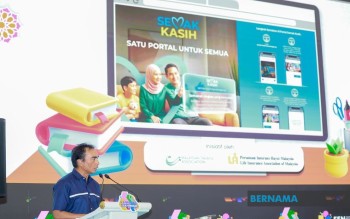
Bank Negara Malaysia has stepped into a significant gap in the nation's financial safety net by launching the 'Semak Kasih' digital portal, a platform designed to reunite Malaysian families with unclaimed insurance and takaful benefits that may have been forgotten or overlooked. The initiative, unveiled in Kuala Terengganu on June 26, addresses a troubling reality: thousands of families are unknowingly missing out on financial protection that could ease the burden of unexpected hardships. According to estimates from the Life Insurance Association of Malaysia and the Malaysian Takaful Association, approximately 50,000 insurance policies and takaful certificates carrying death benefits remain unprocessed, representing substantial sums that could be claimed by eligible heirs.
The underlying problem that prompted this intervention reflects a disconnect between coverage providers and beneficiaries. Many Malaysians purchase insurance or takaful protection during their working lives but fail to inform family members about these policies, leaving relatives unaware that financial safety nets exist when tragedy strikes. This information gap can persist for months or even years after a policyholder's death, during periods when grieving families are most vulnerable and financial strain is acute. The portal addresses this by allowing beneficiaries to conduct searches across multiple providers simultaneously, transforming what would otherwise require contacting dozens of insurance companies individually into a streamlined verification process.
According to BNM Deputy Governor Adnan Zaylani Mohamad Zahid, the urgency of this initiative stems from the protective value that insurance and takaful provide during life's most challenging moments. Coverage extends beyond death benefits to encompass medical emergencies, accidents, and disasters like fires, serving as a financial buffer when households face sudden loss of income or mounting expenses. Yet the fundamental protection offered by these mechanisms is rendered useless if beneficiaries cannot access what has already been paid for. Adnan Zaylani emphasised that insurance and takaful protection represents not merely financial products but vital components of household resilience, particularly critical as Malaysians contend with rising living costs and economic uncertainty.
The 'Semak Kasih' portal represents the culmination of collaborative efforts between BNM, the Life Insurance Association of Malaysia, and the Malaysian Takaful Association. Insurance and takaful companies have previously attempted to contact beneficiaries through letters and agent outreach, but these approaches have proven insufficient in bridging the awareness gap. The digital platform streamlines this process by centralising information and making it accessible to families who may not even suspect that coverage exists. By reducing friction in the claims process, the portal aims to ensure that benefits reach qualified family members more expeditiously, transforming what can be a bureaucratic ordeal into a manageable administrative task.
Beyond unclaimed benefits, Adnan Zaylani highlighted broader financial protection challenges facing Malaysian households and enterprises. The central bank continues to strengthen support mechanisms for micro, small, and medium enterprises through various financing schemes, including microfinancing arrangements offering up to RM100,000 without requiring guarantors or collateral. Additionally, BNM has allocated RM5 billion under the SME Stabilisation Relief Facility to assist businesses affected by geopolitical disruptions in the West Asia region, with working capital financing extending to RM750,000. These initiatives reflect BNM's recognition that financial vulnerability extends across multiple segments of the economy, from household savers to business operators navigating uncertain international conditions.
Financial literacy has emerged as a critical complementary priority in BNM's broader strategy to strengthen household and business financial health. The central bank's data reveals concerning patterns in Malaysian consumer behaviour: approximately 37 per cent of Malaysians make impulsive online purchases, while 26 per cent carry debt burdens they acknowledge as unsustainable. These statistics underscore how expanding digital financial access, while creating unprecedented economic opportunities, simultaneously introduces new pathways to financial distress. The availability of instant credit and seamless payment technologies can amplify spending impulses, particularly among consumers lacking foundational knowledge of budgeting, interest compounds, and debt management.
In response to these challenges, BNM has implemented comprehensive financial education initiatives targeting both immediate audiences and future generations. The iTekad initiative has reached more than 14,000 participants nationwide, with approximately 600 in Terengganu, demonstrating measurable improvements in income and living standards among participants. The Financial Education Forum initiative seeks to democratise financial knowledge by developing an inclusive, user-friendly website serving as a centralised educational resource accessible to all societal segments, including persons with disabilities. These programmes recognise that financial literacy cannot remain confined to conventional classroom settings but must permeate multiple demographic groups and accessibility profiles.
Youth financial education has received particular emphasis within BNM's strategic framework. The MyDuitStory competition and the launch of the FEN Proaktif 2.0 Programme, developed in collaboration with Universiti Malaysia Terengganu, aim to equip students with robust financial management foundations before they enter the workforce. Adnan Zaylani emphasised that consistent saving disciplines established during youth can compound into substantial long-term security, highlighting the profound multiplier effect of early financial habits. This intergenerational approach recognises that building a financially resilient society requires intervening early in educational trajectories, embedding financial prudence into the values and practices of future adults.
The broader context animating these initiatives reflects recognition that Malaysians face structural challenges beyond individual control. Global economic conditions, technological disruption, and geopolitical volatility create headwinds that households and enterprises cannot unilaterally mitigate. However, as Adnan Zaylani observed, individuals retain agency over daily financial decisions, the discipline of saving practices, and the commitment to expanding personal financial knowledge. This philosophy balances realistic acknowledgment of external constraints with emphasis on personal responsibility and agency. The 'Semak Kasih' portal itself embodies this philosophy: it cannot prevent unexpected hardships, but it can ensure that financial protections already purchased and paid for actually reach those they were intended to serve.
For Malaysian families, the practical significance of the portal extends beyond administrative convenience to fundamental financial security. Unclaimed benefits represent not abstract statistical anomalies but real money that could resolve medical crises, replace lost household income, or prevent disaster-driven poverty. Similarly, businesses accessing enhanced financing schemes and MSME support facilities gain capacity to weather disruptions and invest in resilience. Yet these mechanisms function optimally only when eligible users possess sufficient awareness and knowledge to access them. The 'Semak Kasih' initiative thus represents BNM's recognition that financial protection infrastructure alone proves insufficient without complementary efforts to connect that infrastructure with those it serves, reflecting a holistic approach to building a more financially secure and resilient Malaysian economy.

