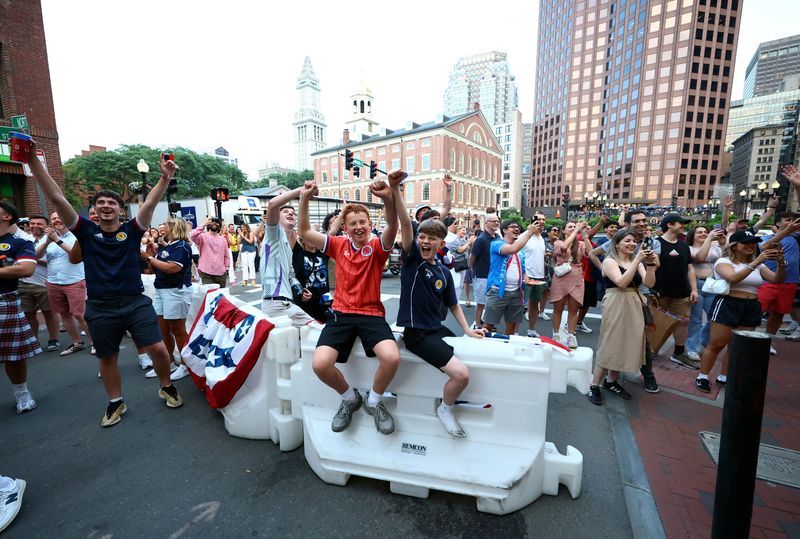
International scepticism surrounded the United States hosting duty as co-host for the 2026 World Cup, with prospective visitors harbouring concerns about accessibility, expense, safety and whether Americans truly embraced the sport. Yet as matches have commenced, a starkly different narrative has emerged across social media platforms, where tourists recount encounters that have defied preconceived notions and painted a portrait of genuine American hospitality transcending the nation's contentious international reputation.
Scottish fans representing the Tartan Army have become unlikely ambassadors for the host nation, their accounts of spontaneous kindness rippling through supporter networks worldwide. One visitor recounted meeting Bostonians who enthusiastically welcomed her and her companions, buying rounds of drinks and embodying a friendliness that caught her by surprise. Similar testimonials flood online forums from Swiss visitors, who note the genuine outgoingness of Americans they encounter, a characteristic that distinguishes their World Cup experience from preconceived expectations shaped by years of headline-grabbing political tensions.
The diplomatic significance of these grassroots interactions cannot be overstated. After years when the United States pursued foreign policies that strained relationships with traditional allies—Canada, Britain, Germany and others—sports tourism offers an unanticipated pathway to softening international sentiment. Darin White, director of Samford University's Sports Industry Program and former soccer coach, frames this dynamic through an architectural metaphor: just as a house's front porch shapes first impressions before visitors enter, sporting events function as nations' threshold experiences. These emotionally intense encounters with unfamiliar places often prove more persuasive than diplomatic communiqués in altering long-entrenched stereotypes.
Academic research consistently validates White's thesis. Major sporting tournaments demonstrably shift perceptions that might otherwise persist for decades. The 2026 World Cup amplifies this effect by dispersing international visitors across secondary and tertiary American cities—Kansas City, Atlanta, Houston, and Dallas—rather than concentrating them in familiar tourist hubs like New York, Los Angeles, or Orlando. This geographic diffusion exposes visitors to authentic regional cultures and local character that typically remain invisible to passing tourists.
In Kansas City, the convergence of sport and culinary culture produced particularly poignant moments. Argentine supporters, whose national identity remains inseparable from the ritualistic preparation and consumption of asado, discovered the American Great Plains barbecue tradition. Experiencing the local "dry rub" methodology challenged their assumptions about grilling technique while creating shared ground between distinct food cultures. One visiting Argentine enthusiast acknowledged the local preparation's merit, conceding that while Argentine barbecue remained his preference, the Kansas City variation impressed with its own distinctive qualities—a small but meaningful cultural exchange.
Dallas witnessed comparable moments of cross-cultural discovery. A German fan from Duesseldorf sampled Texas barbecue and departed wearing a Texan cowboy hat, visual evidence of cultural immersion that extends beyond stadium experiences into the texture of American regional identity. These spontaneous, unglamorous interactions—a Moroccan fan receiving navigation assistance in Dallas, German tourists accepting directions from strangers in Seattle—generate no headlines yet accomplish substantial diplomatic work at the ground level. They constitute what White terms "Brand USA" restoration through authentic human connection rather than orchestrated public relations.
Yet acknowledging these positive developments requires simultaneously confronting persistent obstacles that undermine the tournament's inclusive aspirations. The punishing heat, particularly in Miami and southern venues, tests both athletes and supporters while threatening to intensify as summer progresses toward the final. Economic barriers remain formidable; despite FIFA's claims of strong attendance, prohibitively expensive tickets and travel costs have deterred many international supporters from attending matches in person. Substantial numbers watch from home, unable to experience the cultural immersion that transforms casual viewers into ambassadors.
Visa restrictions constitute the most systemically troubling impediment to inclusive participation. Citizens of four nations competing in the tournament—Iran, Haiti, Ivory Coast, and Senegal—have encountered partial or complete entry prohibitions to the United States. Iran and Haiti maintain considerable American diaspora communities whose attendance could amplify support, though some navigate conflicted emotions about representing nations with fraught relationships to American foreign policy. Ivory Coast and Senegal possess only minimal American communities, meaning their supporters face near-total exclusion from stadium experiences.
Yet even these structural barriers have generated poignant moments of belonging and resilience. Brooklyn resident Jessica Ambres, wearing Senegal colours at a New Jersey stadium, represented the African diaspora's determination to participate despite administrative obstacles. Her presence exemplified how Black American communities forge connections across Atlantic distances, finding kinship with African nations regardless of state-level restrictions. Throughout stadiums nationwide, American attendees demonstrate remarkable solidarity with underdogs and nations lacking substantial fan bases, collectively amplifying the voices of geographically or diplomatically isolated supporters.
Political leaders and business interests recognize that the tournament's legacy depends upon whether this warmth persists beyond the final whistle. Boston Mayor Michelle Wu explicitly solicited future visits from Scottish supporters, reframing the World Cup as an initial encounter within broader tourism relationships rather than a singular event. This municipal-level hospitality reflects shrewd recognition that sports tourism generates economic benefits extending far beyond tournament weeks, cultivating repeat visitation and sustained cultural exchange.
The fundamental tension animating the 2026 World Cup remains unresolved: whether grassroots hospitality and regional cultural authenticity can counterbalance years of polarizing international politics and state-level policies that alienated allies. Sports analytics suggests such bottom-up sentiment shifts carry genuine weight in reshaping national images. Yet lasting transformation requires that these ephemeral stadium encounters translate into sustained policy adjustments and maintained commitment to international cooperation. The warm welcomes currently flooding social media represent promising initial evidence, though the full measure of the tournament's diplomatic legacy will emerge only in subsequent years when international visitors decide whether America merits return visits.

