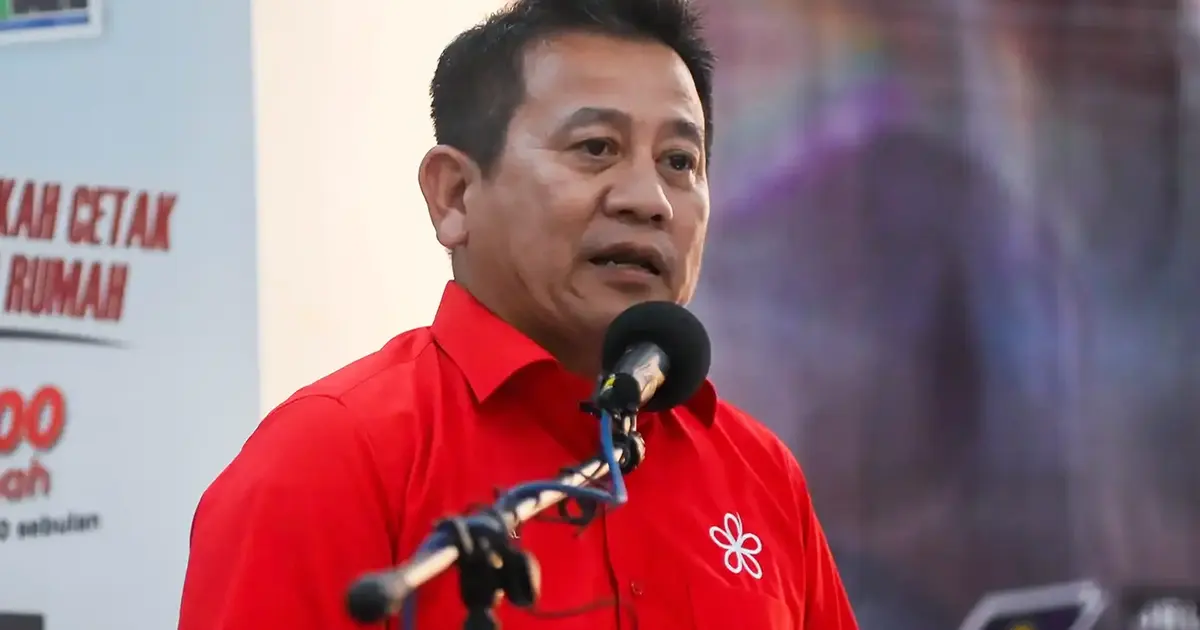
Tun Faisal Ismail Aziz, who holds the information chief portfolio at Bersatu, has publicly criticised PAS for what he characterises as a power consolidation manoeuvre during the recent Perikatan Nasional reshuffle. The allegation points to an increasingly strained relationship within the opposition coalition, as the smaller component parties grow concerned about PAS's dominant influence shaping the direction of the broader alliance.
The tension erupting into public view underscores a familiar dynamic in Malaysian politics: the challenge of maintaining cohesion among parties with divergent ideological priorities and leadership structures. Perikatan Nasional, which emerged as a significant opposition bloc following defections from Pakatan Harapan and earlier political realignments, has long been characterised by uneasy coexistence between its more moderate members and the conservative Islamist orientation championed by PAS. This latest friction demonstrates that underlying structural imbalances within the coalition remain unresolved.
Tun Faisal's characterisation of PAS as adopting an increasingly authoritarian approach reflects concerns that extend beyond mere procedural disputes. When smaller coalition members worry that decision-making mechanisms favour one dominant party, it often signals deeper anxieties about their own autonomy and relevance within the alliance. For Bersatu, which has itself experienced significant leadership controversies and internal divisions, such public criticism may reflect frustration at being sidelined in strategic discussions or feeling marginalised in resource allocation within the coalition structure.
The reshuffle in question appears to have triggered these complaints because it reportedly expanded PAS's control over key positions within Perikatan Nasional's organisational hierarchy. In coalition politics, positions matter enormously—they determine who chairs committees, who controls party resources, and whose voice carries greatest weight in collective decision-making. If PAS has indeed secured additional leadership roles through this exercise, rival parties would understandably feel disadvantaged in future negotiations over policy direction, candidate selection, and electoral strategy.
For Malaysian observers, this development carries particular significance given Perikatan Nasional's stated ambitions to present itself as a viable alternative government. Internal squabbles over power distribution inevitably weaken any coalition's credibility when seeking to convince voters it can govern competently and cohesively. The public airing of grievances by Bersatu's information chief suggests that attempts to manage these tensions behind closed doors have failed, and that frustration has boiled over into the political arena where it becomes fodder for critics and opposition commentators.
PAS's position as the numerically dominant party within Perikatan Nasional, combined with its established grassroots organisation and ideological clarity, has consistently given it significant leverage in coalition negotiations. However, leverage does not automatically translate to unopposed dominance—junior partners retain the option to withdraw support or voice dissent, as Tun Faisal has chosen to do. This public criticism serves as a warning that patience among smaller components has limits, and that further perceived overreach could trigger escalated responses.
The allegations of authoritarianism carry particular sting because they invoke concerns about internal democracy and fair process. In Malaysian political discourse, accusations of undemocratic behaviour resonate widely, especially when directed at parties positioning themselves as reformist alternatives. If PAS is indeed riding roughshod over consultation mechanisms or ignoring the preferences of junior coalition members, it risks damaging its image among voters who might otherwise be attracted to Perikatan Nasional's policy platform.
Historically, Malaysian political coalitions have suffered when one component becomes too dominant without adequate mechanisms for accommodating partner concerns. The original Barisan Nasional succeeded partly because UMNO's supremacy was counterbalanced by formal structures acknowledging other parties' roles. When such equilibriums break down—or are perceived to break down—coalition durability becomes questionable. Tun Faisal's intervention suggests that Bersatu leaders believe the current reshuffle has tilted the balance too far in PAS's favour without sufficient consultation or consensus-building.
The timing of these accusations also merits attention. Coming during what appears to be an attempt to strengthen Perikatan Nasional's internal structures, such criticism might reflect competing visions about how the coalition should evolve. Bersatu may favour a more decentralised model where each component retains significant autonomy, while PAS might prefer streamlined hierarchies that allow faster decision-making. These organisational disagreements often mask deeper disagreements about policy priorities and electoral strategy.
Moving forward, these tensions will likely shape how Perikatan Nasional positions itself in the lead-up to the next general election. If Bersatu and other junior partners feel persistently marginalised, they may pursue separate electoral strategies or reduce their organisational commitment to coalition-wide initiatives. Conversely, if PAS recognises the risks of overreach and makes deliberate efforts to accommodate partner concerns, the coalition could stabilise. For Malaysian voters and regional observers monitoring opposition dynamics, the outcome of this internal struggle will significantly influence the competitive landscape heading into future electoral contests.