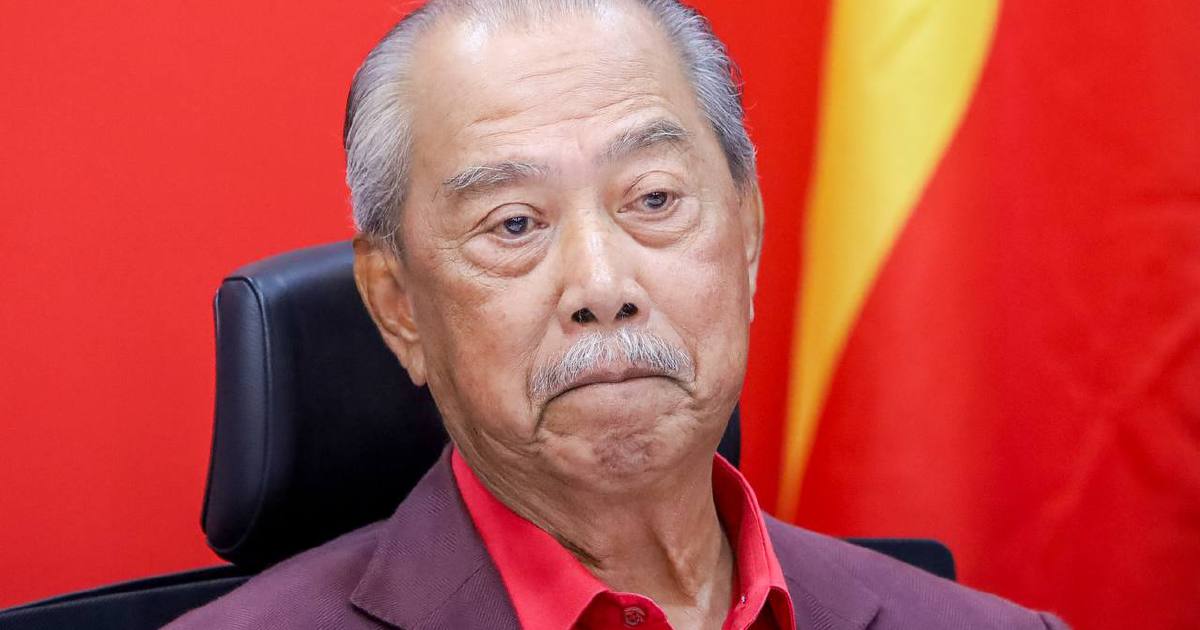
Parti Pribumi Bersatu Malaysia has reaffirmed its position within the Perikatan Nasional coalition, with party president Tan Sri Muhyiddin Yassin declaring that the party will maintain its membership and stand under the PN banner in the forthcoming state elections in Johor and Negri Sembilan. The announcement underscores Bersatu's strategic alignment with PN as a counterbalancing force in Malaysia's evolving political landscape, particularly as the coalition seeks to solidify its presence in key states ahead of the electoral contests.
Muhyiddin's declaration comes at a significant juncture for PN, which has emerged as a substantial political force challenging the dominance of both Barisan Nasional and Pakatan Harapan. By choosing to contest under the coalition logo rather than its own party symbol, Bersatu is signalling its commitment to collective action and the principle that its interests are best served through unified opposition representation. This approach reflects a deliberate strategy to present voters with a cohesive alternative narrative in states where the coalition believes it can gain ground.
The decision to deploy the PN logo carries substantial symbolic weight in Malaysian electoral politics. Party symbols resonate deeply with voters who associate them with specific political values and governance philosophies. By adopting the coalition brand, Bersatu acknowledges the strategic advantage of pooling resources and leveraging the PN identity, which has built considerable traction across multiple constituencies since the coalition's formal establishment. This move also demonstrates party discipline and internal consensus around coalition politics rather than competitive rivalry among members.
Johor holds particular significance in Malaysia's political calculus, given its size, economic importance, and historical status as a Barisan stronghold. The state remains a prize that multiple coalitions have sought to influence, and PN's willingness to contest there under its unified banner suggests confidence in its electoral machinery and ground organisation. Similarly, Negri Sembilan, though smaller, offers valuable parliamentary seats and state assembly positions that could shift the national political balance if captured by the opposition coalition.
The timing of Bersatu's reaffirmation also addresses internal speculation about potential fractures within PN. Malaysian coalition politics remains fluid, with periodic tensions between constituent parties over seat allocations, campaign strategies, and policy direction. Muhyiddin's clear statement serves to quell any uncertainty among grassroots members and coalition partners regarding Bersatu's long-term commitment. Such clarity is essential for maintaining morale and cohesion when preparing for significant electoral contests that demand unified messaging and coordinated campaign efforts.
From a strategic perspective, Bersatu's choice reflects pragmatic assessment of the contemporary Malaysian political environment. The party recognised early that individual efforts against BN and PKR would prove inefficient, making coalition membership a logical pathway to amplify its voice and influence. Within PN, Bersatu functions as a substantial anchor, providing organisational capacity, experienced parliamentarians, and a nationwide membership network that strengthens the broader coalition's competitive position.
The PN logo strategy also addresses voter psychology in Malaysian elections. Many voters increasingly vote for coalitions rather than individual parties, particularly in contexts where multiple parties compete simultaneously. The PN symbol has gained recognition and acceptance across different demographic segments, providing Bersatu candidates with an additional layer of legitimacy and electoral appeal beyond their individual party credentials. This multiplier effect becomes particularly valuable in closely contested seats where coalition branding can shift marginal voters.
For Southeast Asian observers monitoring Malaysian political dynamics, Bersatu's steadfast commitment to PN illustrates the maturation of coalition-based politics in the region. Unlike past Malaysian political alignments that often proved temporary and opportunistic, the PN coalition has demonstrated relative stability and institutional development, suggesting that coalition politics may be establishing more durable foundations in the Malaysian system. This structural shift has implications for how future governments might be formed and how parliamentary majorities could be constructed.
The specific focus on Johor and Negri Sembilan also reveals PN's strategic prioritisation of winnable territories where the coalition believes concentrated resources and messaging can produce electoral gains. Rather than spreading resources thinly across all states, the coalition is making calculated territorial decisions that maximise the probability of seat acquisition. Both states represent different challenges: Johor's substantial voter population requires significant campaign infrastructure, while Negri Sembilan's more compact geography allows for intensive ground-level engagement.
Looking forward, Bersatu's position within PN shapes broader conversations about Malaysia's political future. As the nation approaches potential federal elections and as various states move toward their own electoral cycles, the stability and coherence of opposition coalitions will significantly influence outcomes. Bersatu's commitment strengthens PN's negotiating position with other potential coalition partners and signals to voters that this is not a temporary political convenience but rather a sustained organisational framework.
Muhyiddin's announcement also indirectly addresses external critics who have questioned PN's durability and internal harmony. By having the party president explicitly affirm Bersatu's ongoing membership and campaign intentions, the coalition demonstrates continuity of leadership and purpose. This type of public reaffirmation matters considerably in Malaysian political culture, where faction and rumour can rapidly undermine coalition cohesion if not actively countered with clear, authoritative statements.