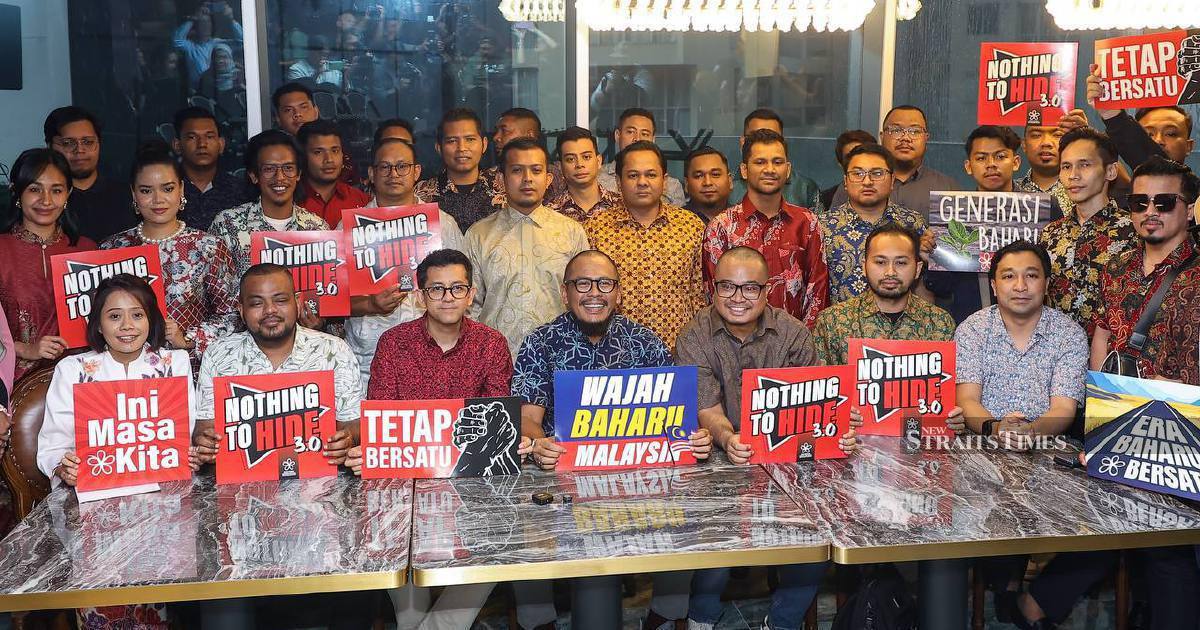
Relations between Bersatu and Pas appear to be stabilising after a period of visible tension rattled the Perikatan Nasional coalition. Kota Siputeh assemblyman Mohd Ashraf Mustaqim Abdul Munir has signalled optimism that the two allies can rebuild their working relationship, suggesting that recent disputes are manageable and unlikely to threaten the broader political partnership.
The reassurance from Bersatu's rank carries significance given the delicate balance within Perikatan Nasional, which has emerged as a formidable force in Malaysian politics since its formation as an alternative coalition to the established Pakatan Harapan government. Any prolonged friction between its principal components could undermine the bloc's electoral appeal and governance effectiveness, particularly as the coalition seeks to consolidate support across the country.
Mohd Ashraf characterised the recent disagreements between Bersatu and Pas using domestic analogies, suggesting that the tensions resembled the kind of bickering typical between married couples navigating shared responsibilities. This framing normalises the conflict whilst implying that underlying bonds remain intact and that grievances are essentially procedural rather than ideological in nature. His language choice carries diplomatic weight, subtly messaging that temporary discord need not be mistaken for fundamental incompatibility.
The nature of the tensions between Bersatu and Pas has ranged across several policy and strategic matters that have periodically surfaced in public discourse. Both parties draw support from overlapping voter bases and compete for influence within Perikatan Nasional's decision-making structures, creating inherent friction points that periodically require management at leadership level. The coalition's relative newness as a unified force also means that established protocols for resolving such disputes remain a work in progress.
For Malaysian voters and political observers, the stability of Perikatan Nasional matters considerably. The coalition has consistently positioned itself as an alternative to the incumbent government, and internal cohesion directly influences its credibility as a potential ruling force. Repeated public spats between component parties risk eroding public confidence and handing ammunition to political opponents who can portray the bloc as perpetually fractious and unready for governance responsibilities.
Pas, as the coalition's largest component by parliamentary representation, wields substantial influence over Perikatan Nasional's direction and policy priorities. Bersatu, meanwhile, benefits from strong links to former Prime Minister Mahathir Mohamad and retains organisational resources despite its smaller parliamentary footprint. The interplay between these two parties shapes not merely coalition dynamics but the ideological tenor of opposition politics in Malaysia more broadly.
Recent months have witnessed occasional public criticism between Bersatu and Pas representatives over issues ranging from seat allocations to policy positions and strategic priorities in various state assemblies. Such disputes, whilst perhaps inevitable within any coalition involving parties with distinct organisational cultures and voter demographics, nonetheless require careful handling to prevent festering resentment that could threaten the broader alliance.
Mohd Ashraf's intervention suggests that senior leadership within Bersatu recognises the reputational damage caused by prolonged public discord and has moved to project an image of reconciliation and forward momentum. His remarks function partly as reassurance to internal party members and supporters who may harbour concerns about the coalition's durability, whilst also signalling to Pas that Bersatu remains committed to collaborative governance within Perikatan Nasional's framework.
The resolution of tensions, assuming it holds, reflects pragmatic calculations on both sides. Neither Bersatu nor Pas benefits from a fractured coalition, as both face the electoral mathematics of needing partner support to enhance their parliamentary representation and state-level bargaining power. The cost of breakdown would exceed whatever satisfaction temporary hostilities might yield.
Moving forward, the strength of Perikatan Nasional will depend partly on how effectively its component parties manage disagreements whilst maintaining public unity. Malaysia's political system increasingly rewards coalitional stability, as voters punish parties perceived as chronically unreliable or internally divided. Bersatu and Pas understand this calculus.
The broader implications extend to Malaysia's political trajectory. A cohesive Perikatan Nasional strengthens electoral competition and potentially offers voters genuine alternatives to existing configurations of power. Conversely, a coalition plagued by unresolved tensions risks fragmenting into its constituent parts, with unpredictable consequences for parliamentary mathematics and government formation.

