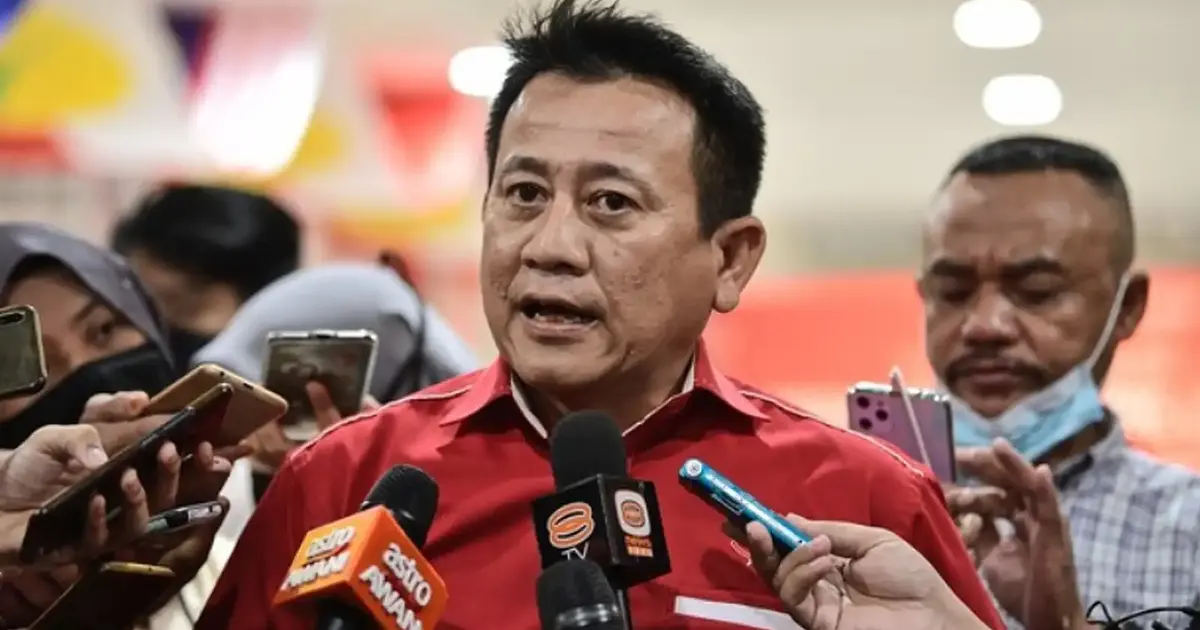
Bersatu has moved to dispel suggestions that it single-handedly obstructed Pejuang's membership within the Perikatan Nasional coalition, with party leadership distinguishing between two separate membership applications that have created friction within the opposition bloc. According to information chief Tun Faisal Ismail Aziz, the party's reservations centred specifically on Parti Wawasan Negara rather than on Pejuang, marking a deliberate attempt to clarify the narrative surrounding recent coalition disagreements that have drawn public scrutiny.
The distinction matters considerably for understanding the dynamics within Perikatan Nasional, which has emerged as the primary opposition grouping following the 2022 general election. Pejuang, led by former prime minister Mahathir Mohamad, and Parti Wawasan Negara represent different political trajectories and organisational structures, yet both sought coalition membership simultaneously, creating a procedural and strategic dilemma for party leaders. Bersatu's clarification suggests the coalition has been grappling with overlapping applications rather than a straightforward binary dispute over a single party's admission.
Tun Faisal's statement carries weight given Bersatu's central position within the Perikatan Nasional framework. As a founding component alongside PAS and other regional partners, Bersatu wields considerable influence over coalition expansion decisions. The party's move to publicly separate its position on the two applications indicates it sought to prevent misrepresentation of its stance, particularly as accusations of gatekeeping could undermine the coalition's credibility as a unified political alternative.
The concerns around Parti Wawasan Negara warrant examination, as they touch on broader coalition coherence issues. Internal conflict within opposition blocs typically stems from ideological divergence, leadership disputes, or competing claims to represent particular constituencies. If Parti Wawasan Negara's entry threatened to destabilise relationships between existing Perikatan Nasional members, Bersatu's hesitation reflects pragmatic coalition management rather than sectarian exclusion. Malaysian political coalitions have historically fragmented when constituent parties perceived fundamental incompatibilities in vision or interests.
Pejuang's position presents a different calculus altogether. Mahathir's party operates in a space where it competes for similar electoral support bases as other coalition members while simultaneously maintaining independent political identity. The informal understanding within Perikatan Nasional may have accommodated Pejuang without requiring formal membership restructuring, allowing the party to participate in coalition activities while maintaining organisational autonomy. This arrangement would explain why Bersatu could support Pejuang's role within the coalition framework without formally endorsing its membership application.
The timing of these membership disputes reflects broader instability within Malaysia's opposition landscape. Since the 2023 general election, Perikatan Nasional has attempted to consolidate its position as the primary non-government force, competing against PKR-led Pakatan Harapan for opposition leadership legitimacy. Coalition expansion decisions carry implications beyond internal organisation, affecting how opposition parties present themselves to voters and negotiate with government on matters of national importance. Each membership decision therefore becomes invested with symbolic significance beyond its procedural dimensions.
Regional observers tracking Malaysian politics note that such clarifications from coalition leadership typically emerge when confusion threatens public perception of party unity. By publicly distinguishing between its positions on Pejuang and Parti Wawasan Negara, Bersatu attempted to reset the narrative while simultaneously reaffirming its commitment to Perikatan Nasional's broader architectural integrity. The move reflects awareness that unclear positioning could invite further criticism from both coalition partners and external parties.
The controversy surrounding membership applications also highlights structural questions about how Malaysian political coalitions establish and enforce admission criteria. Unlike formal organisations with explicit constitutional membership procedures, opposition blocs often operate through informal consensus-building among senior party leadership. This flexibility allows rapid coalition formation and adjustment but creates opportunities for misinterpretation and dispute when applications are denied or delayed without publicly articulated reasons.
For Pejuang specifically, clarification that Bersatu did not oppose its entry provides political breathing room within coalition discussions. Mahathir's party requires standing within Perikatan Nasional to maintain relevance in federal-level politics, particularly given its limited parliamentary representation compared to component parties like PAS and Bersatu. Securing unambiguous coalition participation affects Pejuang's ability to negotiate ministerial appointments, committee positions, and policy influence in any future government formed under the Perikatan banner.
The implications for Parti Wawasan Negara remain more complicated. If the coalition's other members shared Bersatu's concerns, the party would face a sustained barrier to formal admission that extends beyond single-party opposition. Whether Parti Wawasan Negara could eventually overcome these objections through restructuring or leadership changes remains an open question affecting coalition stability and internal morale.
Moving forward, Perikatan Nasional's leadership faces pressure to develop clearer membership frameworks that prevent similar public disputes. Ambiguity serves coalition flexibility short-term but creates longer-term reputational risks, particularly if smaller parties perceive unfair treatment from dominant component groups. Establishing transparent admission criteria could simultaneously strengthen coalition coherence and prevent accusations of arbitrary gatekeeping that weaken opposition messaging against government policies.

