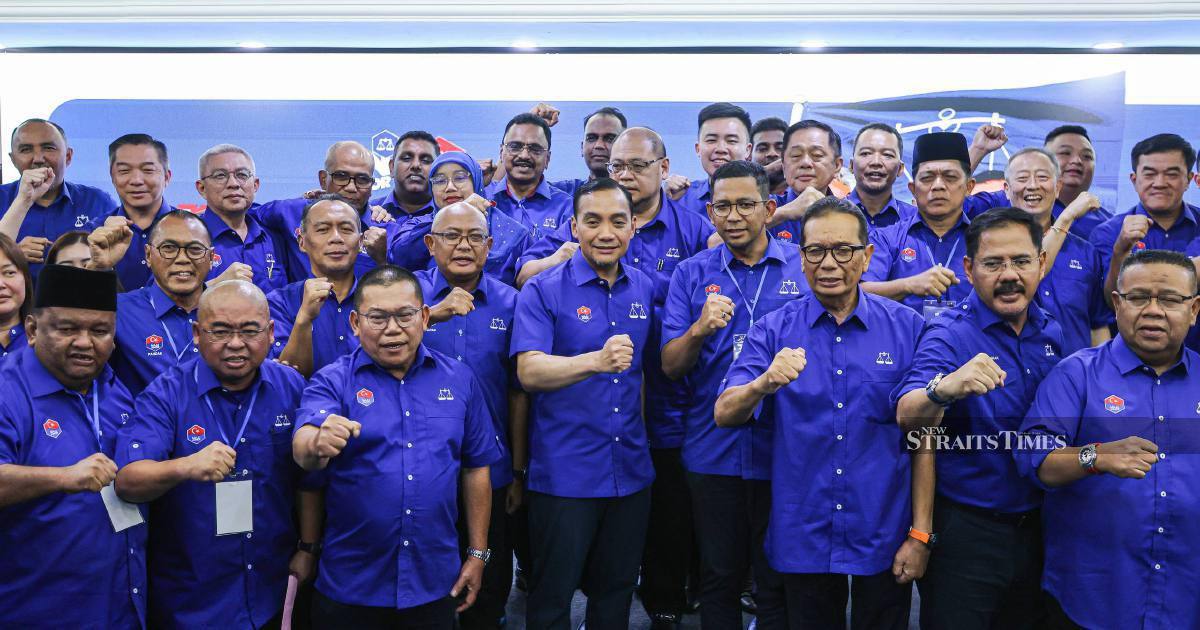
Barisan Nasional's Johor leadership has made clear that a solo governing mandate represents the only acceptable outcome from the forthcoming state election, with party officials adamant that no coalition arrangements with rival political forces will be entertained under any circumstances. The declaration underscores BN's confidence in its ability to command a parliamentary majority through its own electoral strength, signalling a departure from the multi-party coalition arrangements that have characterised Malaysian politics in recent years.
The firm stance reflects the coalition's calculation that victory achieved through BN's traditional voter base and grassroots machinery would provide a stronger and more stable governing foundation than any power-sharing arrangement. Political analysts suggest this positioning indicates BN's assessment of its competitive standing in Johor, where the party enjoys historical dominance and organisational advantages across many constituencies. By foreclosing coalition negotiations before the election occurs, BN seeks to project unity and decisiveness to its supporters and the broader electorate.
Johor has historically served as a critical battleground in Malaysian electoral contests, with control of the state carrying significant implications for national political balance. The sultanate's substantial parliamentary representation and its position as a major economic and population centre means any governing coalition formed here would carry considerable weight in Putrajaya. BN's insistence on governing alone suggests the party believes it can secure a sufficient parliamentary majority without needing to negotiate post-election arrangements with other political actors.
The declaration also signals BN's assessment of the current opposition landscape in Johor. By rejecting coalition possibilities, BN implicitly argues that competing parties lack either sufficient electoral appeal or ideological compatibility to warrant partnership discussions. This reflects ongoing tensions within Malaysia's opposition blocs and questions about whether loosely affiliated opposition parties could translate voter discontent into sustained governing arrangements even if they performed strongly in electoral contests.
For Johor's business community and investors, BN's commitment to sole governance carries implications for policy continuity and decision-making speed. A single-party government typically requires less internal negotiation on policy decisions compared to coalition arrangements, potentially enabling faster implementation of economic initiatives. However, this governance structure may also concentrate policy-making authority more heavily and could limit parliamentary scrutiny if backbench representation becomes less diverse.
The timing of this declaration matters significantly within Malaysia's broader political calendar. With various state elections expected across coming months and a general election potentially on the horizon, BN's Johor positioning sets a template for how the coalition may approach electoral contests nationally. If replicated elsewhere, such declarations would represent a marked shift from the coalition-building strategies that have characterised Malaysian politics following the 2018 general election upheaval.
Opposition parties face a strategic challenge in responding to BN's coalition exclusion. Should opposition forces perform strongly in the election, they would need to demonstrate alternative governing capacity either through securing their own majority or building rival coalitions from among themselves. This dynamic could reshape how opposition parties campaign and position themselves relative to one another in the months ahead.
Regionally, Johor's governance arrangements hold significance for Malaysia's broader Southeast Asian role. As a state intimately connected to Singapore economically and strategically, questions about policy stability and decision-making efficiency in Johor extend beyond purely domestic political concerns. A stable, decisive governing arrangement could facilitate the continued development of cross-border economic relationships that depend on clear policy frameworks.
The non-negotiable language employed by BN leadership underscores the seriousness with which the coalition views this commitment. Rather than leaving options open for post-election flexibility, party officials have sought to bind the party's future hands, presumably believing such commitments strengthen their electoral positioning. This approach reflects confidence in BN's ability to secure victory independently, though it also carries risks should the electoral outcome diverge from internal party expectations.
For Malaysian voters in Johor, the declaration presents a clearer picture of the governance arrangements they would receive from a BN victory, removing uncertainty about potential coalition negotiations that might dilute or redirect policy priorities. This transparency may appeal to voters seeking straightforward accountability structures, though it may also alienate those who view coalition governance as preferable for ensuring broader parliamentary representation and limiting executive power concentration.
As the election campaign develops, BN will need to translate this confident positioning into sustained voter engagement and turnout mobilisation. The coalition's grassroots machinery and incumbent advantages provide institutional foundations for such efforts, though political dynamics can shift rapidly in contemporary Malaysian conditions where messaging velocity and social media engagement often reshape conventional electoral calculations.

