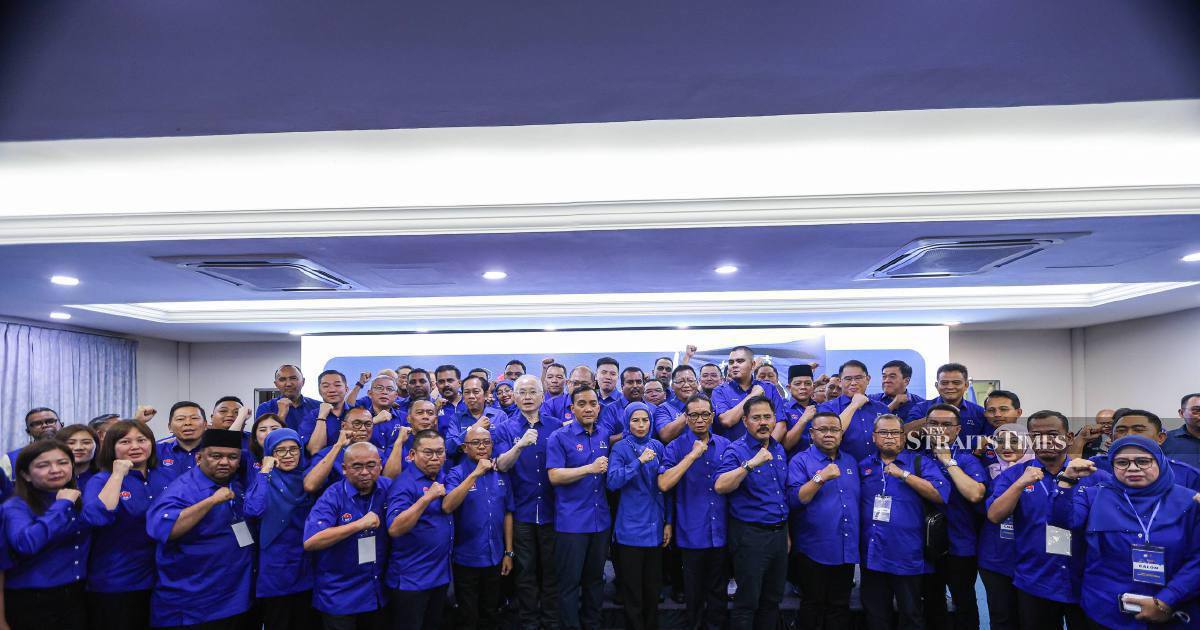
Barisan Nasional officially presented its comprehensive candidate roster for the impending Johor state election, fielding 56 hopefuls across the state's constituencies in preparation for the July 11 electoral contest. The announcement marks a crucial juncture for the long-established political coalition, which has historically dominated Johor politics but has faced mounting pressure from opposition movements in recent electoral cycles.
The unveiling of the complete lineup represents months of internal deliberation within BN's component parties, including UMNO, MCA, and MIC, as the coalition balanced factional interests, grassroots expectations, and strategic positioning ahead of the contest. Johor, as the southernmost peninsula state and a traditional BN stronghold, holds particular significance within Malaysia's broader political landscape, and the composition of candidates reflects the coalition's assessment of which personalities and policy platforms resonate most strongly with local voters.
The selection of candidates typically involves multiple layers of consultation, from local party branches through to senior leadership councils, particularly within UMNO, which commands the majority of BN seats in most Malaysian states. The 56-candidate lineup encompasses new faces alongside veteran political operators, reflecting a generational balance that BN seeks to maintain while simultaneously projecting renewal and dynamism to electorate segments that have previously shifted their allegiances.
For Malaysian observers and political analysts, the candidate composition provides revealing insights into BN's strategic priorities and internal power structures. The distribution of candidates across constituencies, the inclusion or exclusion of sitting representatives, and the prominence given to particular personalities all signal how BN leadership perceives electoral vulnerabilities and opportunities within the state. Such decisions frequently trigger debates within party structures about meritocracy, representation, and regional interests.
Johor's electoral significance extends beyond its domestic implications. As a state with deep economic integration with Singapore and significant maritime trade corridors, political stability and governance effectiveness directly influence cross-border commercial activity and investment flows. BN's performance in Johor thus carries implications for regional economic sentiment and bilateral relations across the Straits of Johor.
The timing of the announcement allows candidates to mobilise grassroots support networks and articulate their platforms across constituencies before the formal campaign period commences. This pre-campaign phase has become increasingly important in Malaysia's political environment, where social media dynamics and community engagement begin well before official nomination deadlines. Candidates utilise this window to consolidate party machinery, court community leaders, and build name recognition in constituencies where demographics or previous electoral margins suggest competitive contests.
Opposition parties have simultaneously begun their own candidate selection processes, setting the stage for direct contests in constituencies where BN incumbents seek re-election or where demographic shifts have created new competitive dynamics. The electoral competition in Johor frequently serves as a bellwether for national political trends, with outcomes influencing calculations within the federal government and opposition alike regarding momentum heading into future national elections.
For MCA and MIC, smaller components within the BN coalition, the candidate allocation process also reflects their continuing relevance within coalition structures and their capacity to deliver votes in constituencies with significant Chinese and Indian electorates respectively. The distribution of winnable seats among coalition partners remains a sensitive negotiation that shapes internal cohesion and inter-party relations within BN ahead of polling.
The July 11 election comes at a juncture when Malaysian politics displays increased volatility compared to earlier decades. Traditional voting patterns have demonstrably shifted in urban areas, while rural constituencies continue to provide more stable electoral bases for established parties. BN's candidate strategy must therefore address this geographical and demographic complexity, positioning candidates who can credibly address both urban development concerns and rural service delivery expectations.
Expectations surrounding voter turnout and participation dynamics will significantly influence which candidates achieve victory. Higher turnout historically benefits BN in Johor due to stronger ground organisation and established voting blocs, while lower participation sometimes advantages opposition challengers who possess motivated core supporters. Candidate visibility and personal networks thus become instrumental in mobilising supporters, particularly within the compressed timeframe of state election campaigns.
The announcement also reflects broader calculations about federal-state relationships and the distribution of development resources. State governments control substantial budgetary allocations and development projects, making Johor's governance outcome consequential for regional infrastructure, education, and healthcare provisions. Candidates campaign partially on platforms addressing these service delivery dimensions, while also articulating positions on national political issues that resonate with local constituencies.
For Southeast Asian observers, Johor's electoral trajectory provides windows into Malaysian democratic functioning and intra-coalition dynamics within Southeast Asia's largest multi-party democracy. Regional analysts frequently track Malaysian electoral outcomes as indicators of political stability and governance effectiveness across the broader region.

